
Blog • Medical Insights
Hair Transplantation: What You Need to Know
Hair thinning may affect men and women for different reasons. Hair transplantation is one of the available options for selected cases, following assessment of the pattern of hair loss and the donor area.
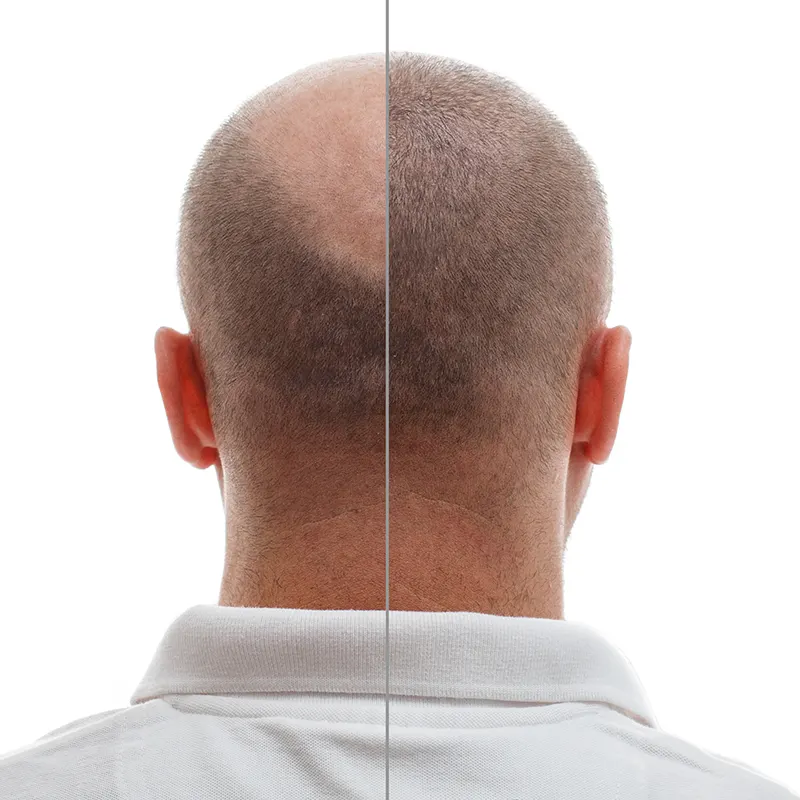
What Is Hair Transplantation?
Hair transplantation transfers hair follicles from a suitable donor area to an area affected by thinning. The grafts come from the same patient. Donor-area suitability and availability are assessed individually.
How Is Hair Transplantation Performed?
FUE (Follicular Unit Extraction) is one available technique. Follicles are removed individually from the donor area and placed in the recipient area with specialised instruments. The procedure usually takes several hours under local anaesthesia. Technique, sensation, scarring and recovery vary by case.
Possible Side Effects
Possible reactions and complications depend on the technique and the individual case. Temporary swelling, redness, discomfort, bleeding or scarring may occur and are discussed during medical assessment.
Progression of Hair Growth
Temporary shedding may occur after transplantation. The onset and progression of new hair growth vary from person to person and are monitored by the doctor.
How Is Hair Transplantation Planned?
Planning considers the extent of thinning, the number and quality of available follicles and the technique to be used. Individual medical assessment takes place first.
Useful information
Frequently asked questions
What is hair transplantation and how does it work?
Hair transplantation transfers healthy follicles from a suitable donor area to an area affected by thinning. FUE is one available technique.
How is a hair-transplant technique selected?
Selection is based on the pattern of thinning, donor area and individual needs. FUE is one of the available techniques.
What does hair transplantation feel like?
The procedure is usually performed with local anaesthesia. Sensation and recovery vary according to the technique and individual case.
How long does the procedure take and when does hair growth appear?
The procedure may take several hours. Hair growth develops over the following months and varies from person to person.
Are there possible side effects or complications?
Temporary swelling, redness or discomfort may occur. The possible risks differ by technique and are discussed with the doctor.
Which factors are considered in hair-transplant planning?
Planning considers the extent of thinning, available follicles, donor-area characteristics and the technique to be used.
Would you like to discuss which option is suitable for you?
The right indication and a personalised treatment plan are determined after medical assessment.