Blog • Medical Insights
Blepharoplasty: Procedure, Indications and Recovery
Blepharoplasty addresses excess skin and fatty tissue in the upper or lower eyelids. Planning depends on anatomy, symptoms and individual goals.
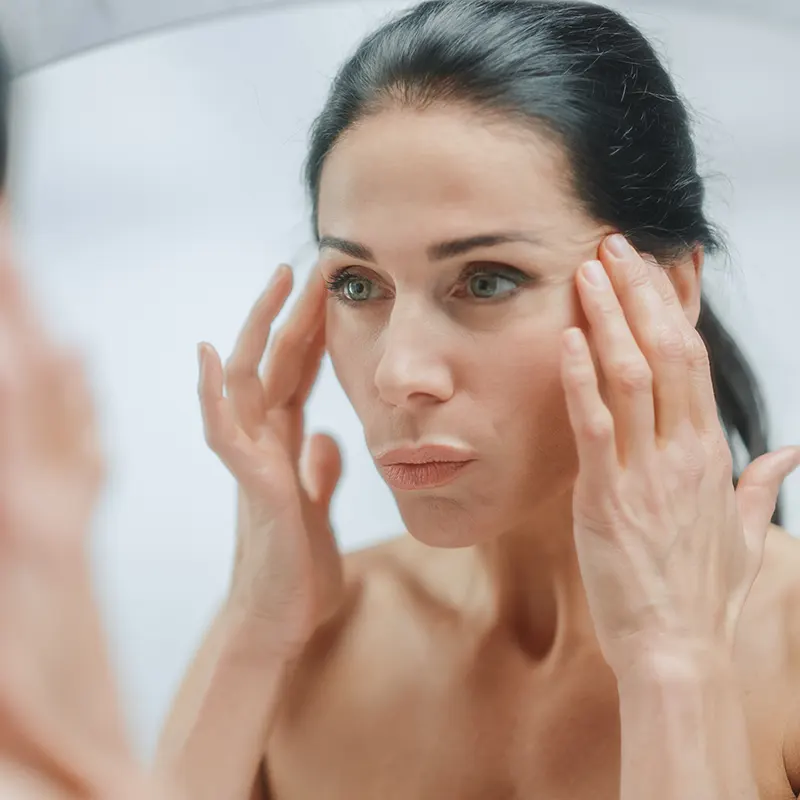
Blepharoplasty: more than an aesthetic procedure
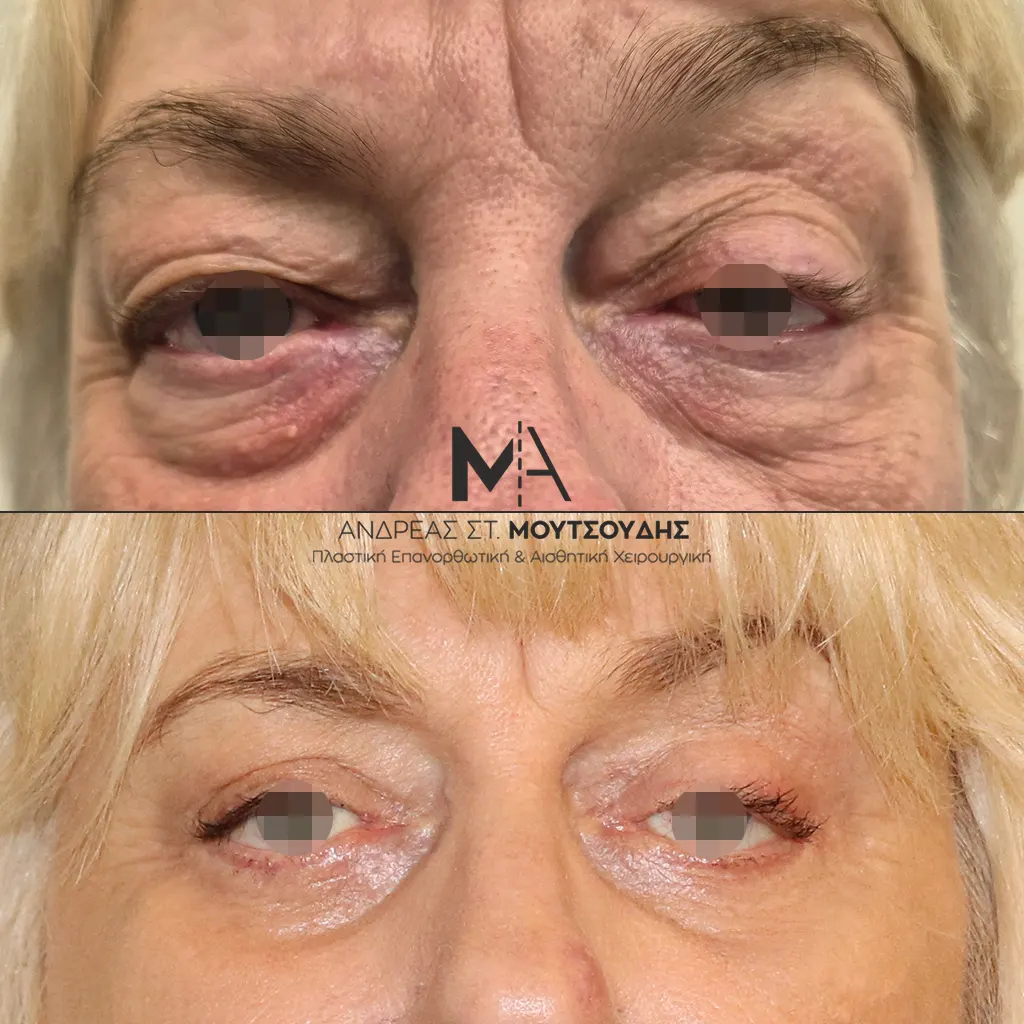
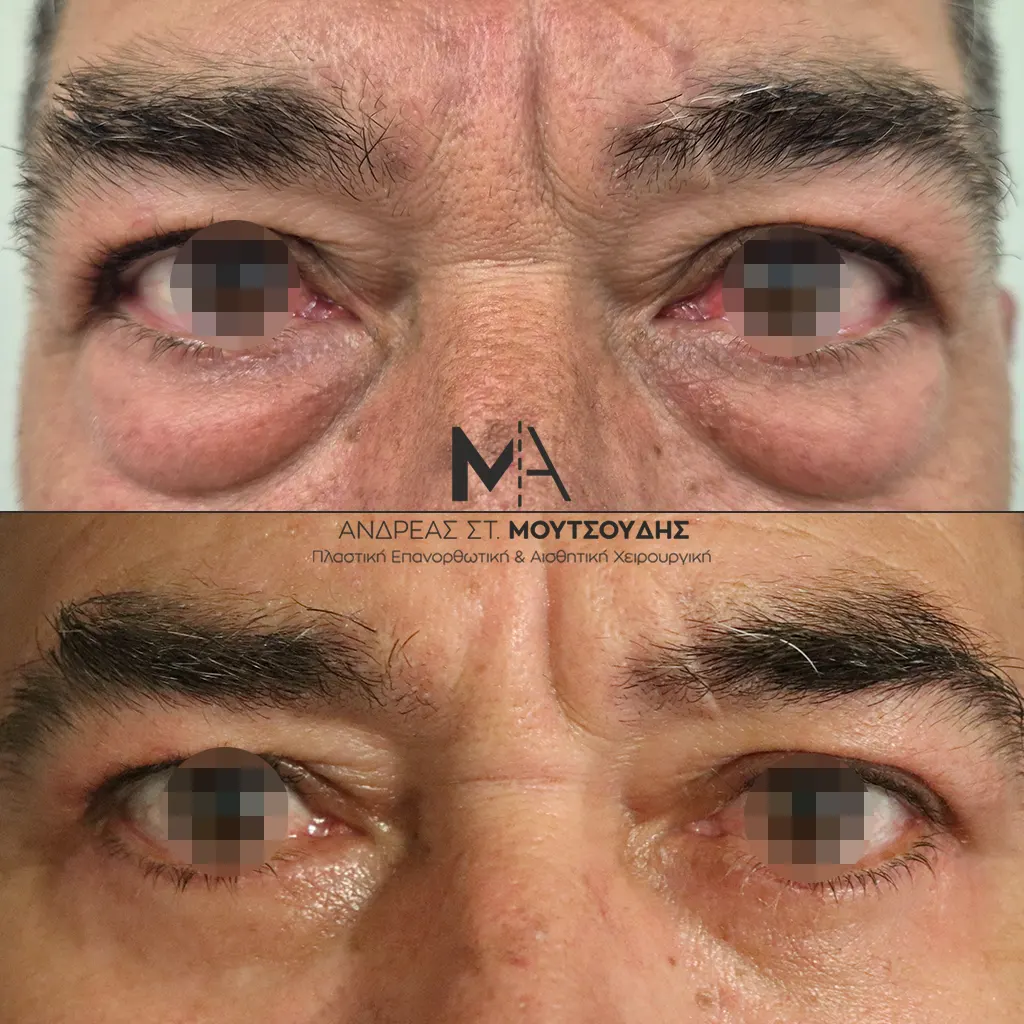
Who may be suitable for blepharoplasty?
Assessment considers upper and lower eyelid anatomy, symptoms, expectations and general health before an individual surgical approach is proposed.
How blepharoplasty is performed
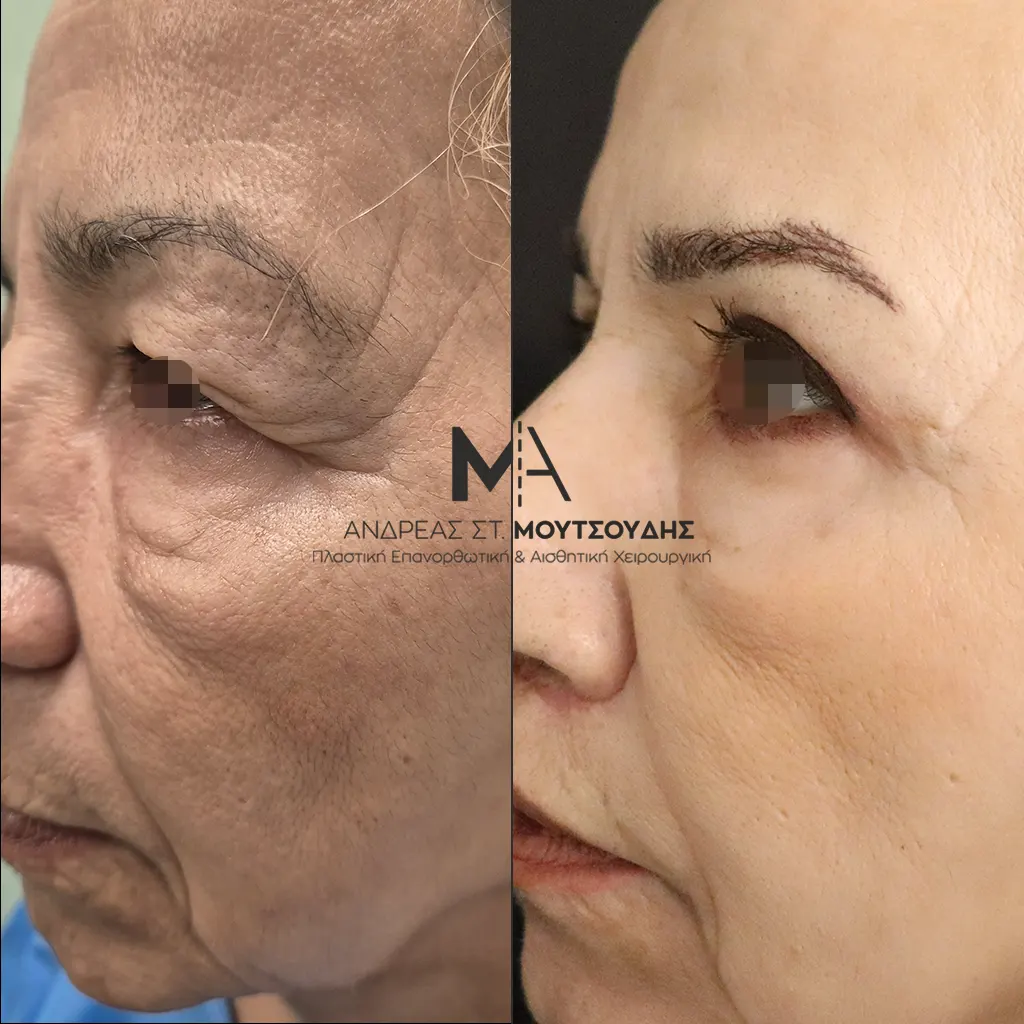
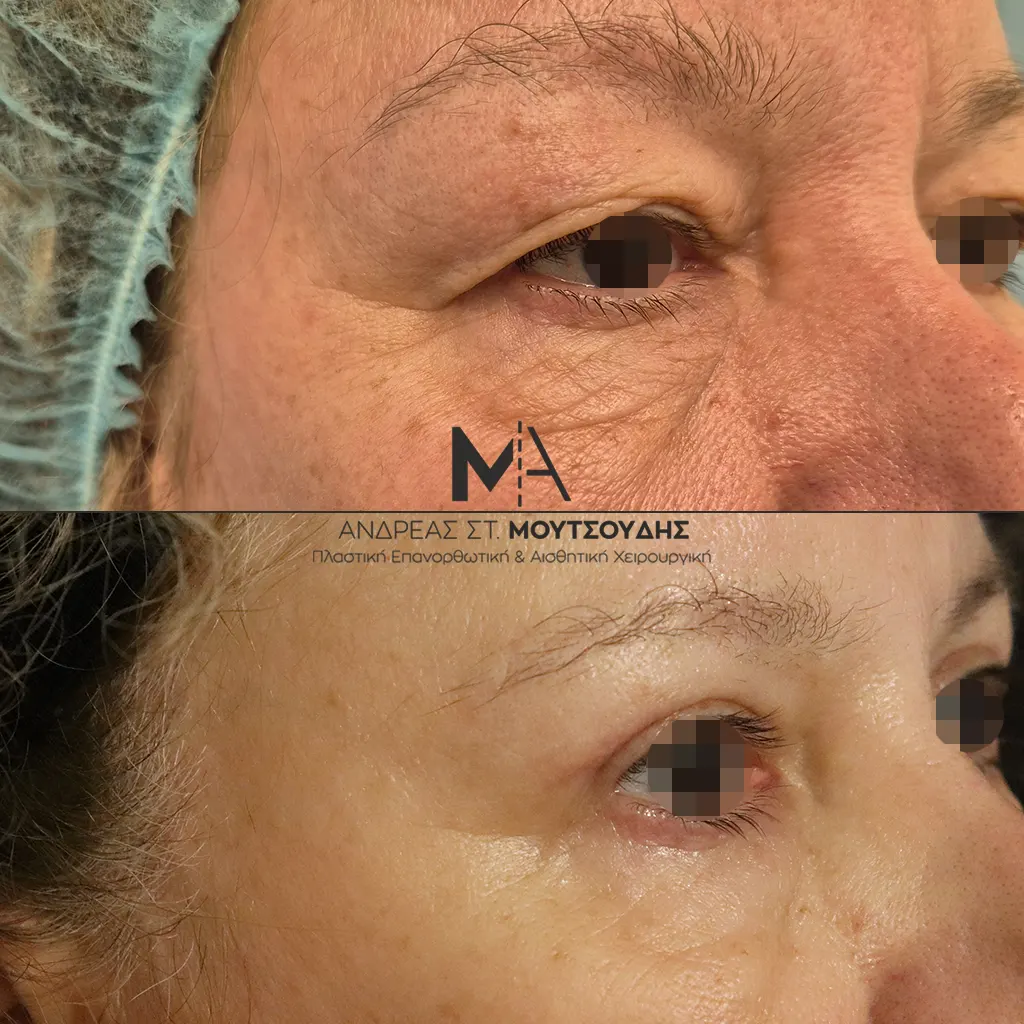
Upper-eyelid blepharoplasty
Upper-eyelid surgery removes selected excess skin and, when indicated, fatty tissue. The incision is generally placed within the natural eyelid crease.
Lower-eyelid blepharoplasty
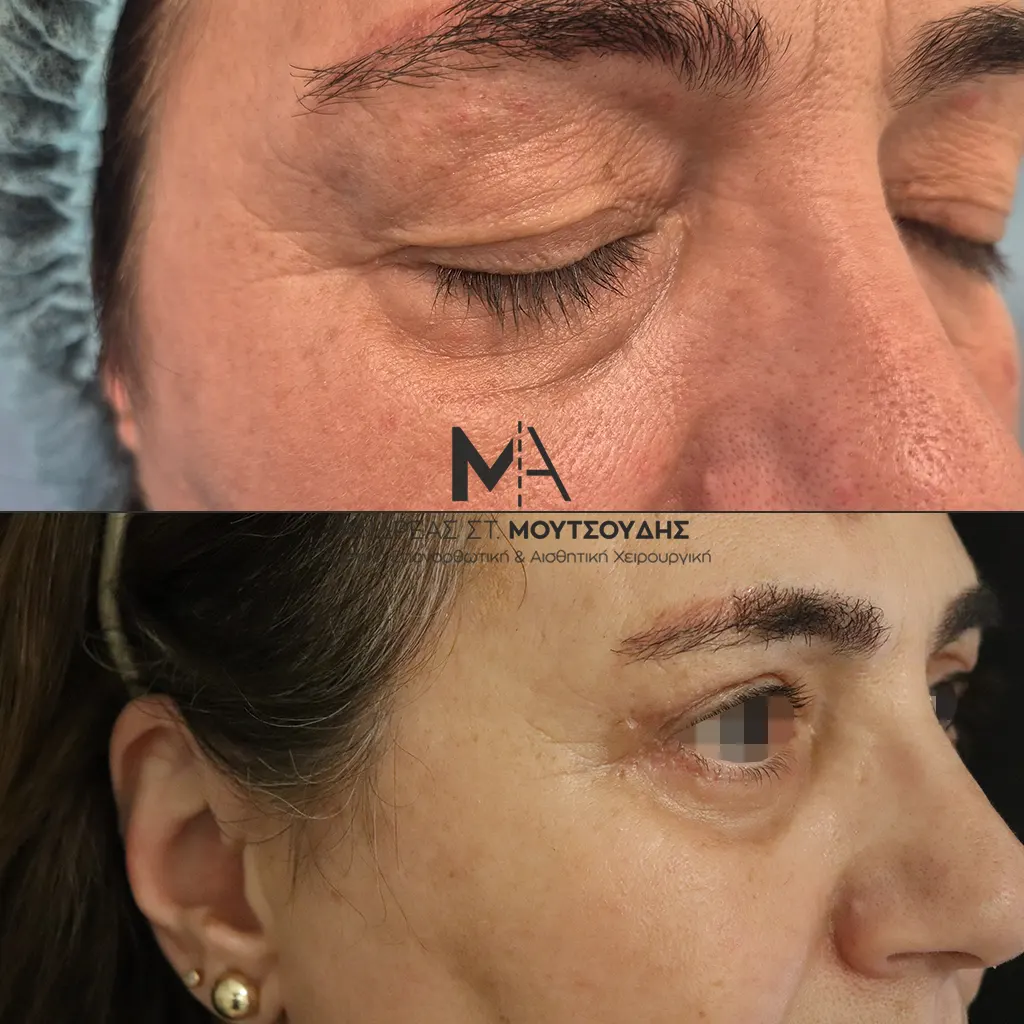
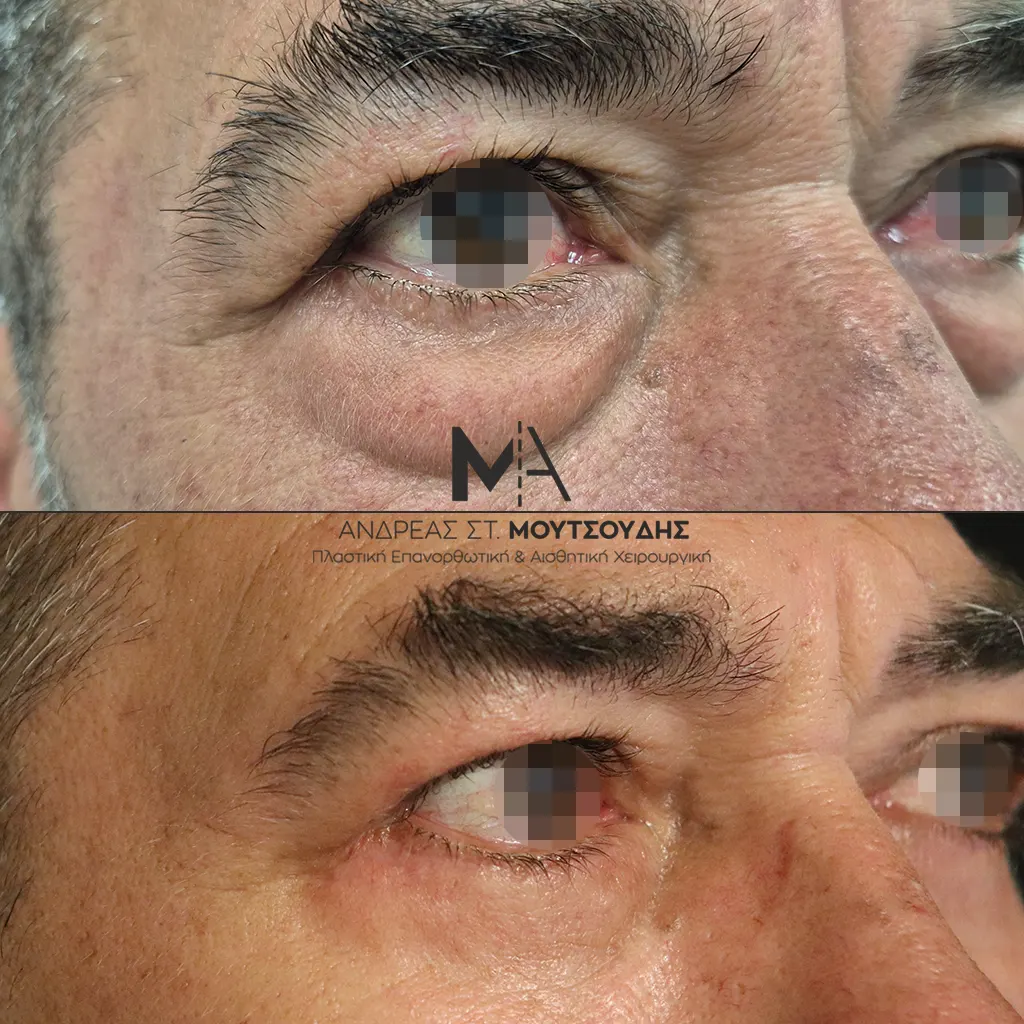
Lower-eyelid surgery may remove or reposition fatty tissue and address loose skin. Incision placement and technique depend on anatomy and individual needs.
Postoperative care and recovery
Swelling and bruising are common initially and often improve over one to two weeks. Possible risks include infection, bleeding and scarring. Recovery and discomfort vary, and postoperative instructions should be followed closely.
Before-and-after examples
View indicative blepharoplasty cases on the Before and After page. Individual outcomes vary.
Useful information
Frequently asked questions
What is assessed before blepharoplasty?
The upper and lower eyelids, anatomy, symptoms, general health and individual goals are assessed before selecting an approach.
What anaesthesia is used for blepharoplasty?
Local anaesthesia with sedation is commonly used, although the plan depends on the procedure. Discomfort varies and can be managed according to medical advice.
How long does recovery take?
Many people return to routine activities within 5 to 7 days, while swelling and bruising may take around 10 to 14 days to settle.
Are scars visible after blepharoplasty?
Incisions are usually placed in natural creases or inside the lower eyelid. Scars mature over time but should not be expected to disappear completely.
How long do results last?
Changes often last for years, but duration varies and ageing continues.
Is there a specific age for blepharoplasty?
Suitability depends more on anatomy and symptoms than on age alone.
Would you like to discuss which option is suitable for you?
The right indication and a personalised treatment plan are determined after medical assessment.