
Blog • Medical Insights
Understanding Gynaecomastia: Causes, Assessment and Treatment
Gynaecomastia is enlargement of male breast tissue and may have hormonal, medication-related or other causes. Assessment determines whether observation, medical management or surgery is appropriate.

What is gynaecomastia?
Gynaecomastia is enlargement of glandular breast tissue in males. It can affect one or both sides and may occur at different ages.
Possible causes
Symptoms and assessment
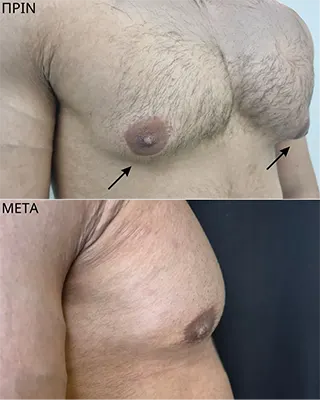
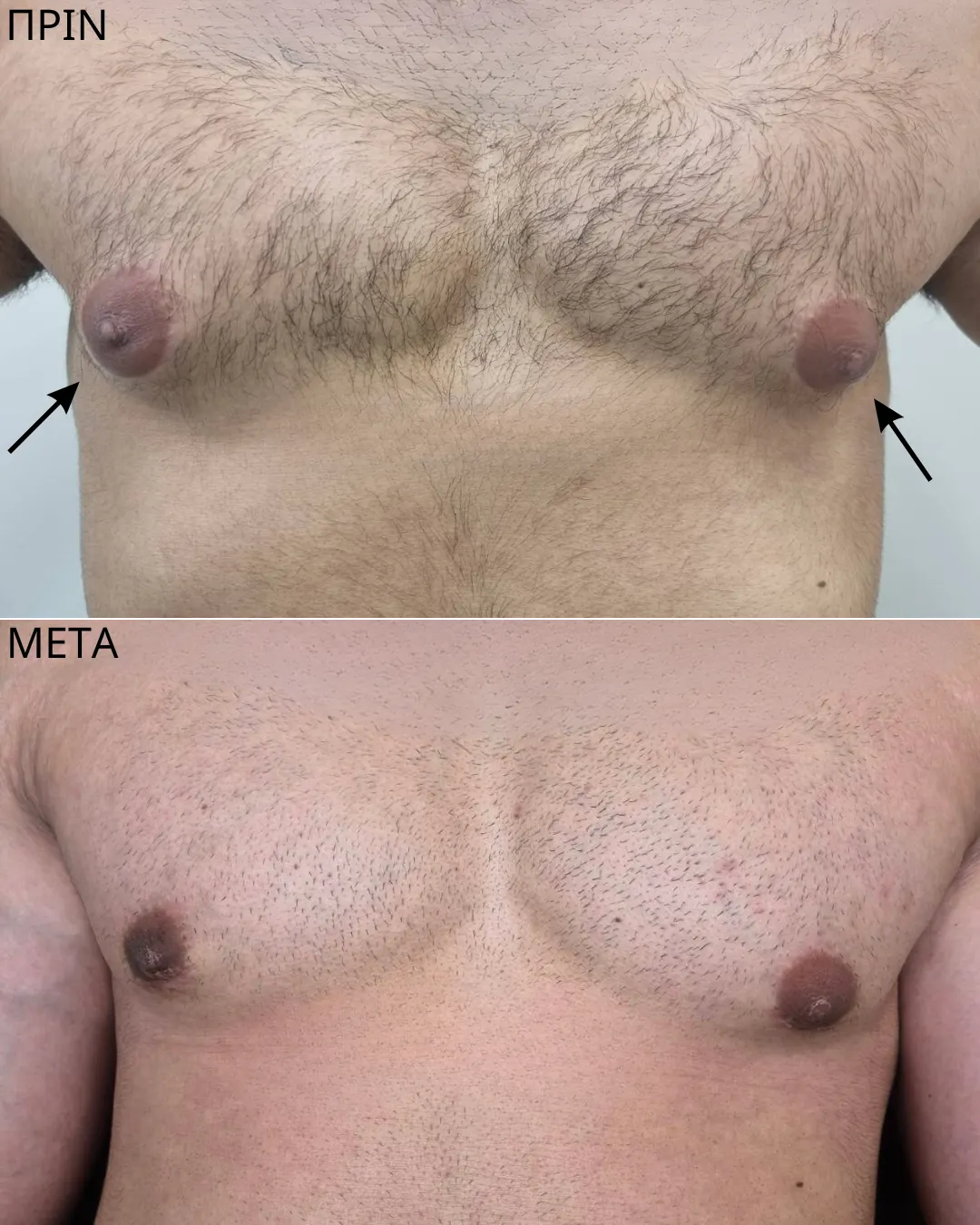
Possible findings include enlargement, tenderness or asymmetry. Examination distinguishes glandular tissue from fat and determines whether further tests are required.
Treatment options
Management depends on the cause, duration, symptoms and tissue composition. Observation, treatment of an underlying cause or surgery may be considered.
Surgical treatment
Surgery may include liposuction, gland excision or both. Technique and recovery are planned according to anatomy and the extent of tissue.
Individual treatment planning
A consultation helps clarify the diagnosis, available options, possible risks, recovery and realistic expectations.
Useful information
Frequently asked questions
What is gynaecomastia?
It is enlargement of glandular breast tissue in males and may affect one or both sides.
What can cause gynaecomastia?
Possible causes include hormonal changes, medicines, health conditions and ageing; sometimes no specific cause is identified.
How is gynaecomastia assessed?
Assessment includes medical history, examination and, when indicated, laboratory tests or imaging.
Does gynaecomastia always require surgery?
No. Management depends on cause, duration, symptoms and tissue type.
What does surgery involve?
Surgery may include liposuction, gland excision or both, depending on anatomy.
What is recovery like?
Recovery varies by technique. Swelling and activity restrictions are expected initially, with instructions tailored to the procedure.
Would you like to discuss which option is suitable for you?
The right indication and a personalised treatment plan are determined after medical assessment.