Blog • Medical Insights
Chemical Peels: Types, Procedure and Applications
Chemical peels use selected acids at different depths to exfoliate the skin. The type and intensity are chosen according to skin condition and the concern being addressed.
1. Skin renewal
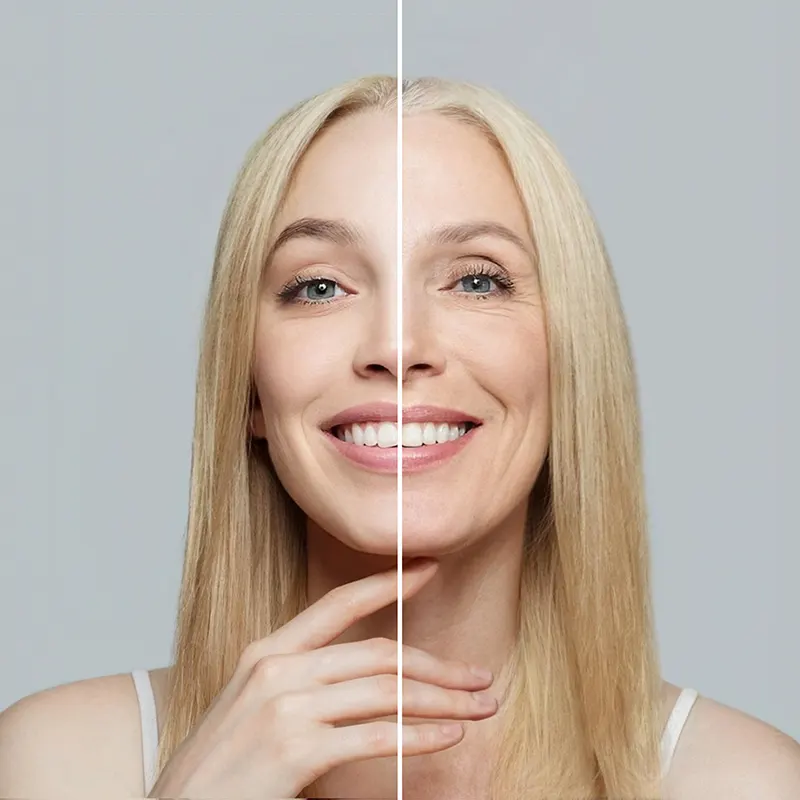
A chemical peel exfoliates selected skin layers. The visible response and recovery depend on peel depth, formulation and skin characteristics.
2. Skin concerns addressed
Chemical peels may be considered for uneven pigmentation, acne marks, fine lines and photoageing. The degree of improvement varies.
3. Individual choice of peel depth
Superficial, medium-depth and deep peels have different indications and recovery profiles. Selection follows assessment of skin type, concern and medical history.
4. Procedure duration
The procedure generally lasts from 20 minutes to one hour, depending on peel type. Superficial applications usually require less recovery than deeper peels.
5. Aftercare and longer-term skin care
Temporary sensitivity may occur. Moisturising, sun avoidance and sunscreen use are important, with instructions tailored to peel depth.
6. Expected changes
Changes in tone and texture develop according to peel depth and individual response. Realistic expectations and appropriate aftercare form part of treatment planning.
Useful information
Frequently asked questions
What is a chemical peel?
It uses selected acids to exfoliate controlled skin layers and support renewal.
What concerns can it address?
Depending on depth, it may be considered for pigmentation, fine lines, acne marks and photoageing.
Is it suitable for every skin type?
Suitability depends on skin type, indication, medical history and peel depth, and requires medical assessment.
How often can a peel be performed?
Superficial peels may be spaced 4 to 6 weeks apart, while deeper peels require longer intervals.
Is there downtime?
Superficial peels may cause redness or flaking for 1 to 3 days; deeper peels require a longer recovery.
Can a chemical peel be performed in summer?
Intense sun exposure is generally avoided. Strict sunscreen use and sun protection are essential.
Would you like to discuss which option is suitable for you?
The right indication and a personalised treatment plan are determined after medical assessment.