
Blog • Medical Insights
Gynaecomastia: Causes, Symptoms and Treatment
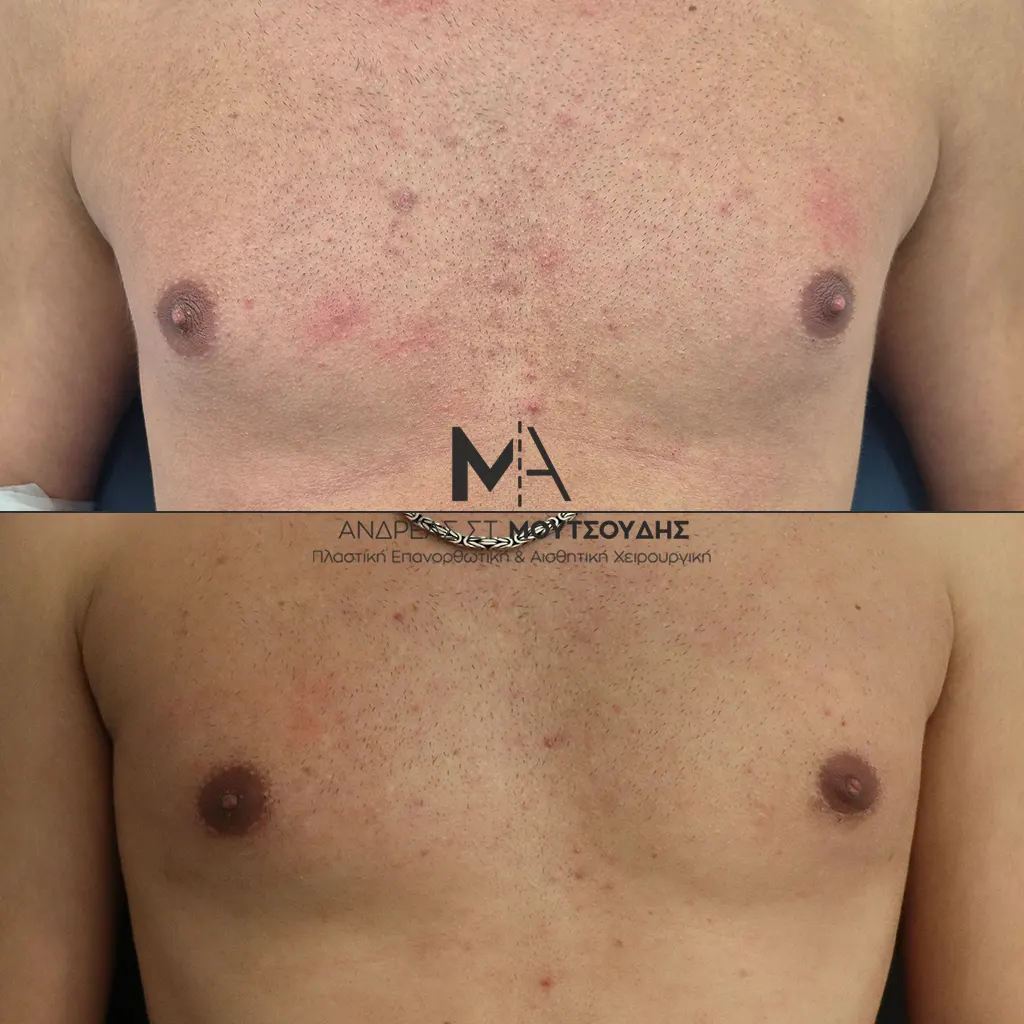
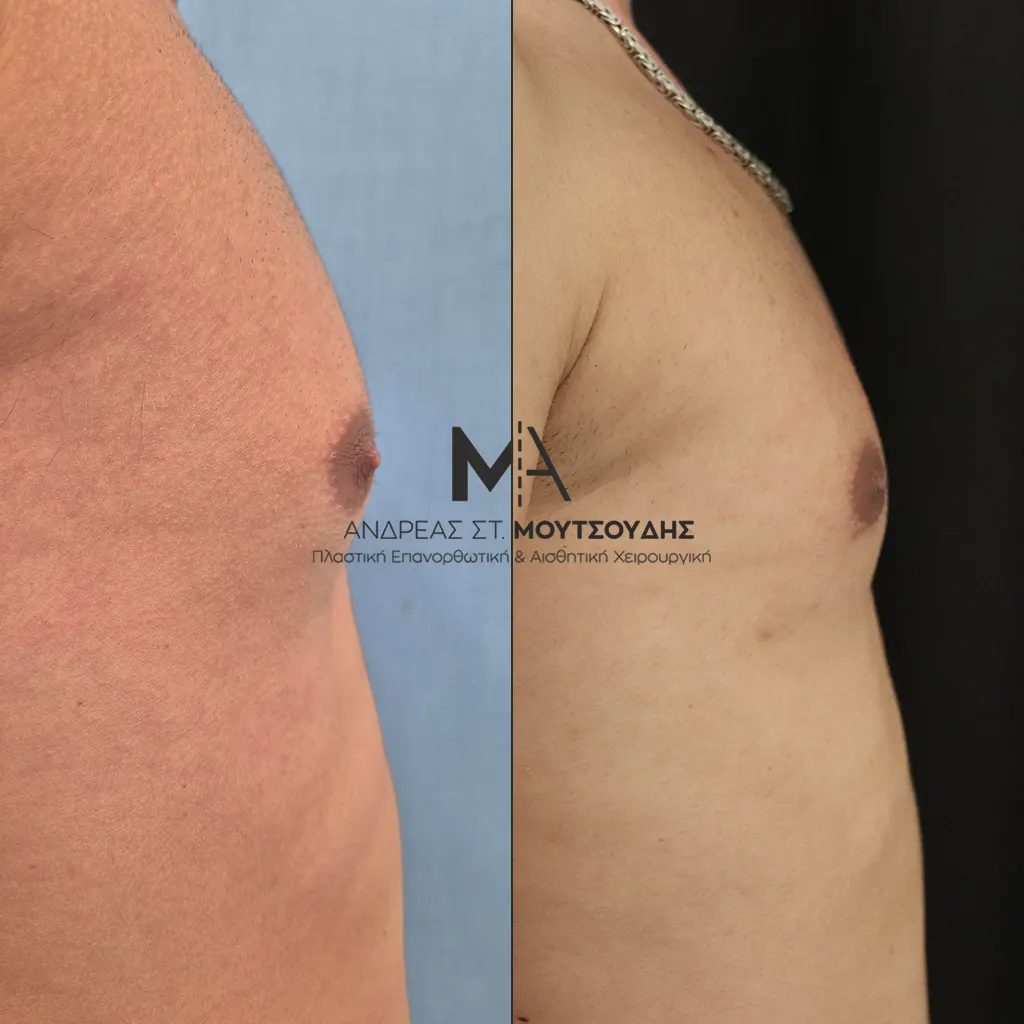
Gynaecomastia is a benign enlargement of the male breast caused by growth of glandular tissue. It differs from pseudogynaecomastia, which is associated with localised fat rather than glandular enlargement.

Signs of Gynaecomastia
What Causes Gynaecomastia?
Hormonal imbalance
Gynaecomastia may be associated with an imbalance between testosterone and oestrogen. Other factors may include obesity, puberty, ageing, medication, alcohol, anabolic steroids, liver or kidney disease and certain genetic conditions. Medical assessment helps identify the possible cause.
Classification
- Grade I: mild enlargement (<250 g) without ptosis.
- Grade II: moderate enlargement (250–500 g) without ptosis.
- Grade III: marked enlargement (>500 g) with first-degree ptosis.
- Grade IV: marked enlargement with second- or third-degree ptosis.
How Is Gynaecomastia Treated?
Management may include observation, changes in medication or lifestyle, medical treatment or surgery. The appropriate approach depends on the underlying cause, duration, clinical findings and individual concerns. Surgical options may include subcutaneous mastectomy, liposuction or a combination of techniques. Postoperative instructions are provided by the treating doctor.
Useful information
Frequently asked questions
What is gynaecomastia and how does it differ from pseudogynaecomastia?
Gynaecomastia is benign enlargement of the male breast caused by glandular growth. Pseudogynaecomastia is associated with fat deposition without glandular enlargement.
What are the first signs of gynaecomastia?
Common signs include breast enlargement, tenderness or pain around the nipple and prominence of one or both breasts.
How is treatment for gynaecomastia selected?
Treatment depends on the cause and may include observation, lifestyle changes, medication or surgery such as subcutaneous mastectomy or liposuction.
Can gynaecomastia resolve without treatment?
Adolescent gynaecomastia may resolve over one or two years. Persistent adult gynaecomastia should be assessed to identify the cause and appropriate management.
Which factors may cause gynaecomastia?
Possible factors include hormonal imbalance, obesity, medication, alcohol, anabolic steroids, liver or kidney disease and certain genetic conditions.
Is gynaecomastia dangerous?
Gynaecomastia is benign, but breast changes should be medically assessed. It may also affect comfort, body image and psychological wellbeing.
Would you like to discuss which option is suitable for you?
The right indication and a personalised treatment plan are determined after medical assessment.