Blog • Medical Insights
Diode Laser: Technology and Hair-Removal Applications
This article describes an earlier diode-laser hair-removal technology. The clinic now uses Triple Wavelength Laser, with treatment parameters selected according to phototype, area and hair characteristics.
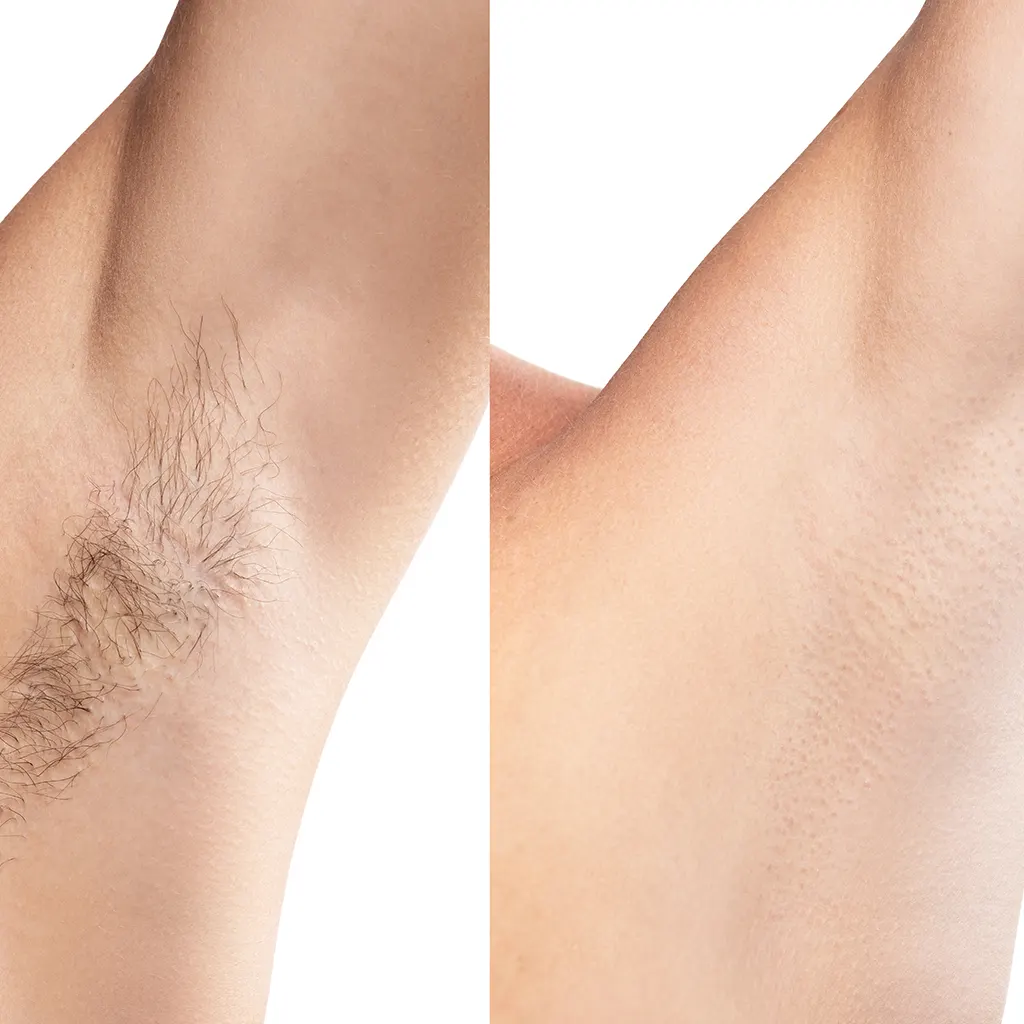
Features of diode-laser hair removal
Cooling may reduce discomfort, but sensation varies. Suitability for a phototype, season and treatment area requires assessment and appropriate parameter selection.
Diode-laser technology
The 808 nm diode wavelength targets hair follicles at a selected depth. Coverage speed and treatment intervals depend on the device, area and hair-growth cycle.
What to consider
Laser hair removal requires trained staff, appropriate equipment and individual skin assessment. Incorrect settings can cause irritation or burns; parameter selection and adherence to instructions are therefore important.
Useful information
Frequently asked questions
How effective is diode-laser hair removal?
The source article cites up to 90% reduction after 6 to 8 sessions, particularly for dark hair; individual response varies.
Is diode laser suitable for every skin type?
Suitability and settings depend on phototype, tanning, hair characteristics and clinical assessment.
Does diode-laser hair removal hurt?
Cooling may reduce discomfort, but sensation varies by person and treatment area.
How many sessions are usually needed?
A course often includes 6 to 8 sessions, with changes sometimes noticed from the second or third session. Individual needs vary.
Can diode laser be used in summer?
It may be considered when medical instructions and sun-exposure precautions are followed.
How does diode laser differ from Triple Wavelength Laser?
Diode laser uses an 808 nm wavelength, while Triple Wavelength combines Alexandrite, Diode and Nd:YAG wavelengths. Selection depends on phototype, area and hair characteristics.
Would you like to discuss which option is suitable for you?
The right indication and a personalised treatment plan are determined after medical assessment.