Blog • Medical Insights
PMIX Laser: Triple-Wavelength Hair Removal Technology
Laser hair removal technology has evolved to include systems that combine different wavelengths. The PMIX Triple Wavelength Hair Removal Laser uses 755 nm, 810 nm and 1064 nm, allowing treatment parameters to be adjusted according to skin phototype, hair characteristics and treatment area. More information is available on the Triple Wavelength Laser page.

How the PMIX Triple Wavelength Laser Works
Triple Wave technology combines three laser wavelengths — 755 nm, 810 nm and 1064 nm — which reach different depths.
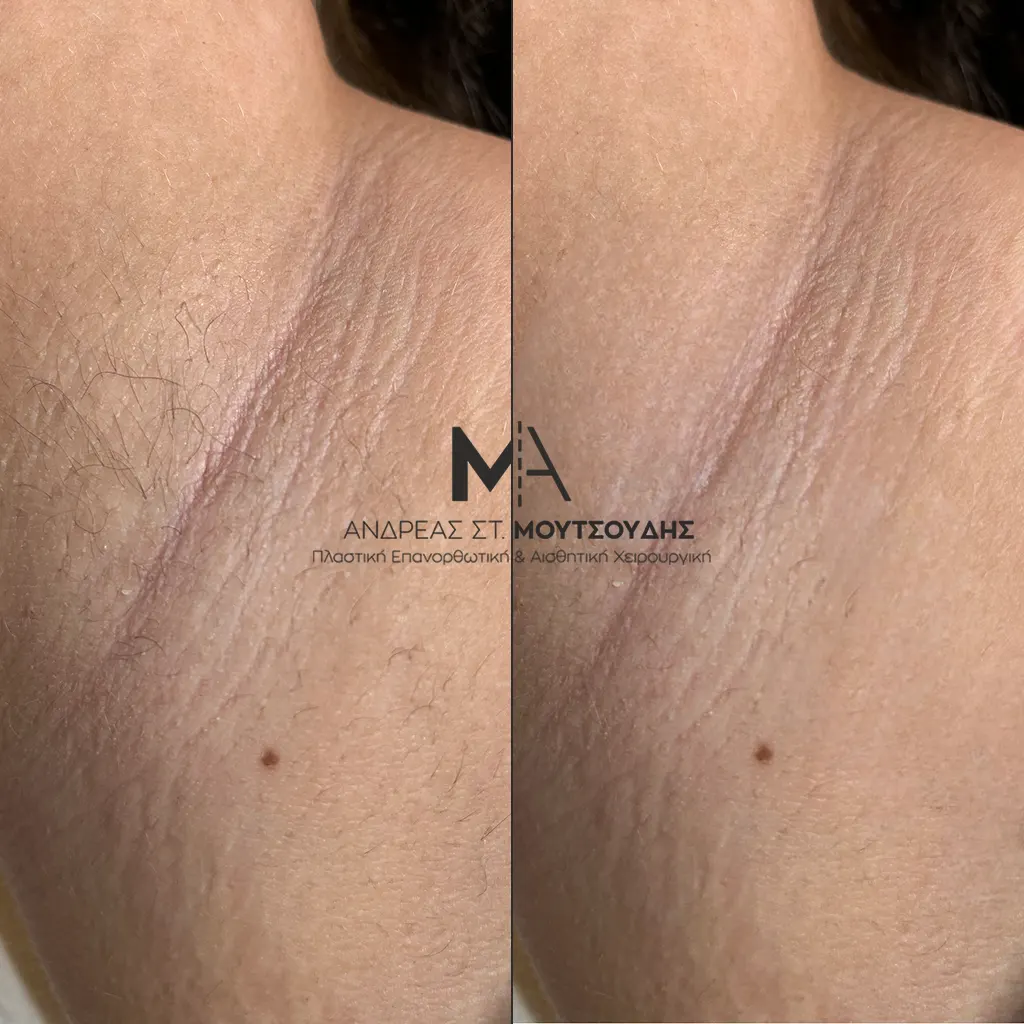
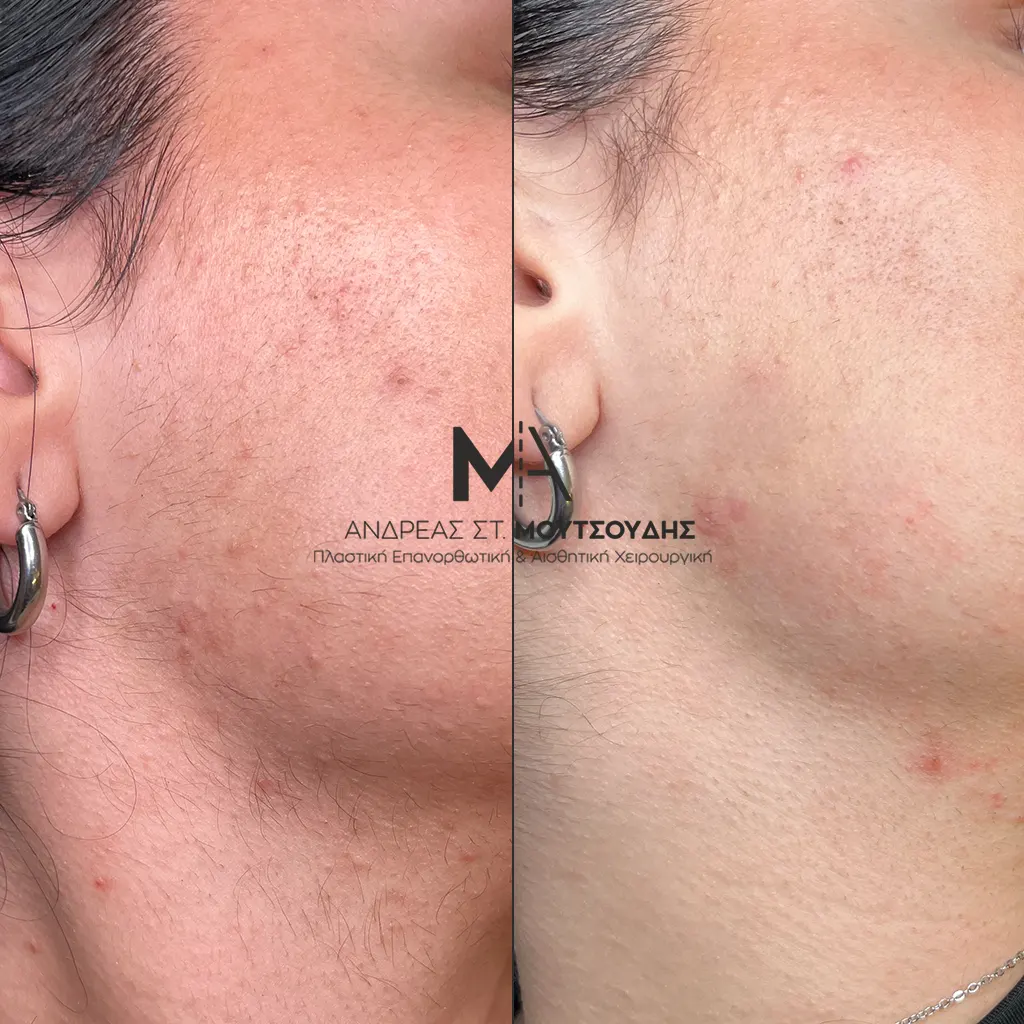
- Alexandrite 755 nm: has greater absorption by melanin and is mainly used for lighter skin phototypes and dark hair.
- Diode 810 nm: offers an intermediate penetration depth, with parameters adjusted to skin phototype and hair characteristics.
- Nd:YAG 1064 nm: reaches deeper and may be considered for darker skin phototypes or more resistant hair.
Features of the PMIX Triple Wave Laser
- Targeting at different depths: combining three wavelengths allows the application to be adapted to hair characteristics.
- Cooling system: used to manage thermal sensation and discomfort.
- Application to small and large areas: session duration depends on the size of the area.
- Adjustment to skin phototype: suitability, season and settings are assessed before each application.
- Controlled targeting: parameters are selected to direct energy at the hair follicle while protecting the surrounding tissues.
Cooling System and Comfort During Treatment
The cooling system and ultrasound gel are used to protect the surface of the skin and manage the sensation of heat. The experience varies according to the area and individual sensitivity.
Suitable for Different Areas of the Body
Triple Wave technology may be used on small and large areas, including:
- Large areas, such as the legs, back and chest.
- Sensitive areas, where parameters are adjusted with particular care.
Session Planning and Gradual Hair Reduction
Combining three wavelengths allows hair follicles to be targeted at different depths. Because hairs are at different stages of growth, the plan includes repeated sessions and is adjusted according to area, skin phototype and hair characteristics.
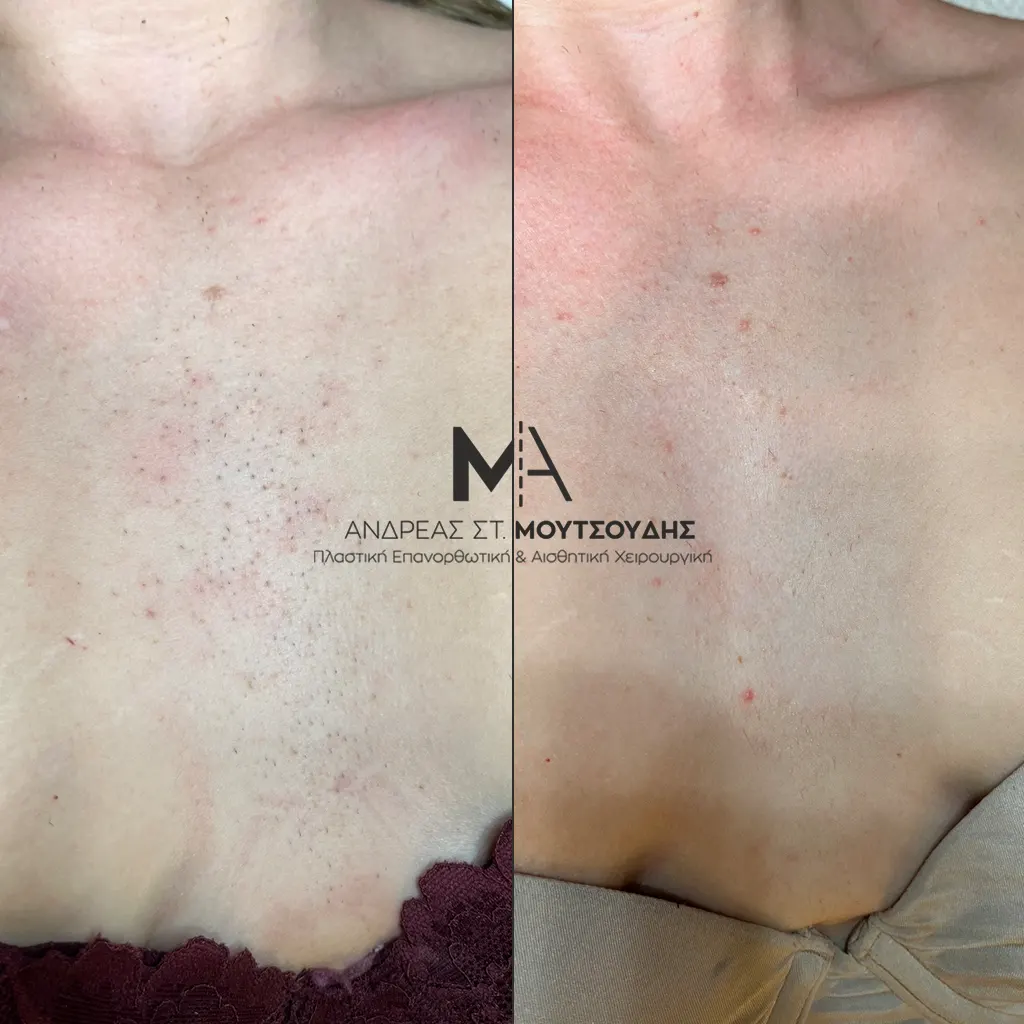
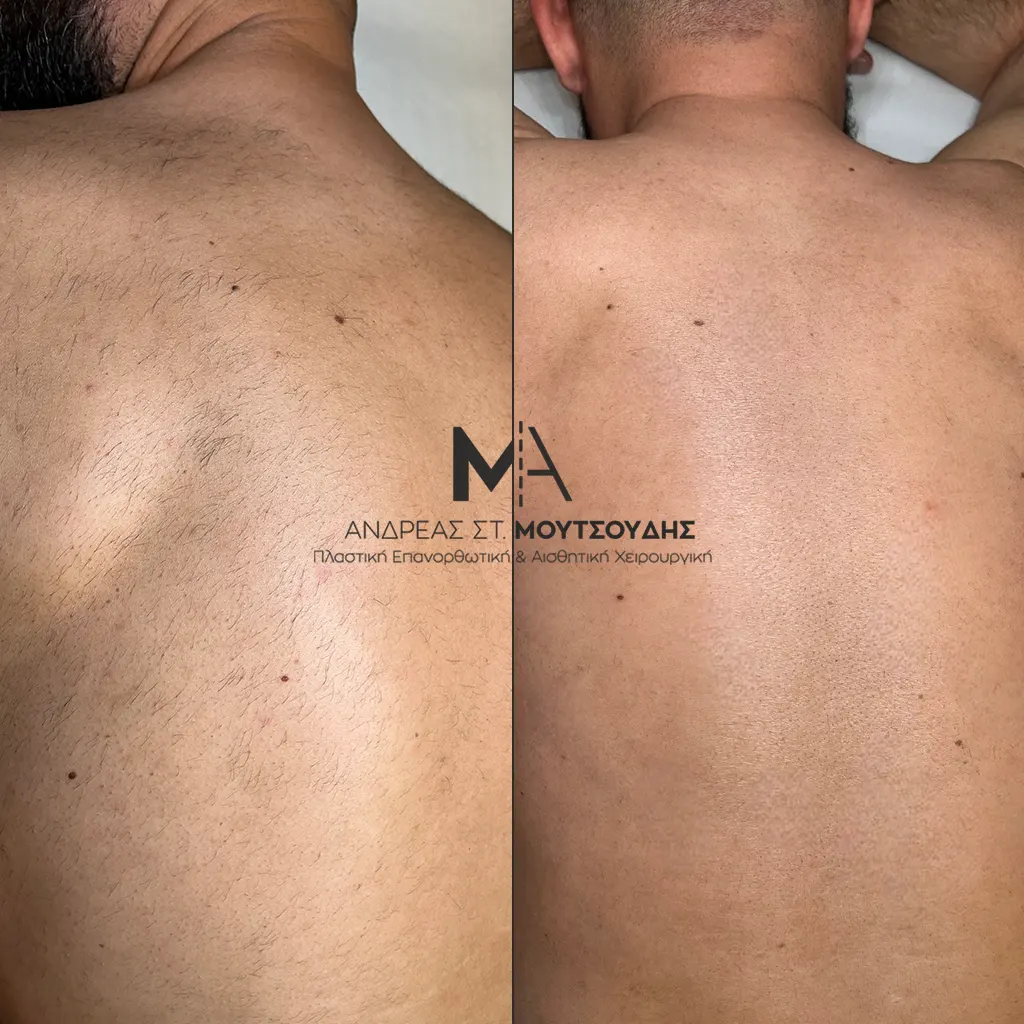
- Gradual hair reduction: response is assessed over the course of the sessions.
- Individual plan: the number of sessions and intervals are determined according to the area and progress.
- Parameter adjustment: intensity and cooling are selected for each application.
Useful information
Frequently asked questions
How many laser hair removal sessions may be needed?
The number varies according to the area, hair type, skin phototype and response. An initial course of 6–8 sessions is often planned, followed by reassessment.
Is laser hair removal painful?
Sensation varies by area and person. Cooling and gel are used to manage thermal sensation and discomfort.
Can I have laser hair removal if my skin is tanned?
Tanned skin requires an assessment of skin phototype and recent sun exposure. Suitability and settings are determined before treatment.
Which areas can be treated with laser hair removal?
Laser hair removal may be applied to areas such as the legs, bikini area, face, underarms, back and chest. Parameters are adjusted according to the area and skin characteristics.
How does hair reduction progress?
Treatment targets hair follicles during the appropriate growth phases, and reduction develops gradually. Response and the need for future sessions vary from person to person.
Would you like to discuss which option is suitable for you?
The right indication and a personalised treatment plan are determined after medical assessment.