Blog • Medical Insights
Liposuction for Men: Procedure and Body Contouring
Liposuction is no longer a procedure considered only by women. Men choose this cosmetic procedure to reduce persistent localised fat and improve body contours.
Despite exercise and a balanced diet, men often experience localised fat deposits in areas such as the abdomen, flanks (known as "love handles") and chest. Even with intensive exercise and a healthy diet, these areas may remain unchanged. Liposuction aims to reduce localised fat and reshape body contours.
Despite exercise and a balanced diet, men often experience localised fat deposits in areas such as the abdomen, flanks (known as "love handles") and chest. Even with intensive exercise and a healthy diet, these areas may remain unchanged. Liposuction aims to reduce localised fat and reshape body contours.
What Is Liposuction?
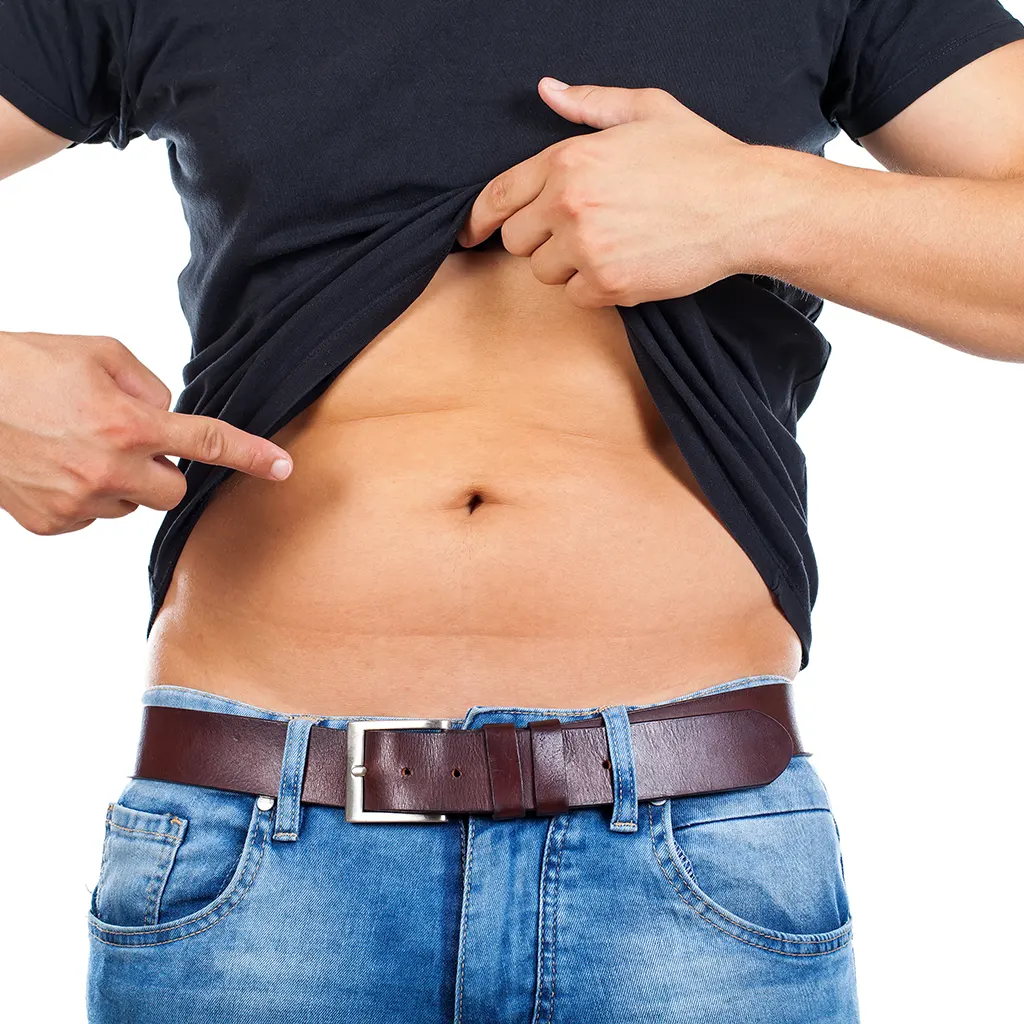
Liposuction for men is a surgical procedure aimed at removing excess fat from specific areas of the body, such as the abdomen, hips, thighs, buttocks, upper arms and neck. The procedure involves a thin tube, known as a cannula, which is inserted through small incisions in the skin. Fat is removed by suction, improving the shape and contours of the body.
Why Do Men Choose Liposuction?
Men who consider liposuction have often tried dieting and intensive exercise but find that fat remains in particular areas. The procedure allows them to:
Remove localised fat from difficult areas such as the abdomen, flanks and chest.
Define muscular contours, with the aim of a more athletic appearance.
Reduce excess fat in the male chest.
Seek greater comfort with their body image.
Remove localised fat from difficult areas such as the abdomen, flanks and chest.
Define muscular contours, with the aim of a more athletic appearance.
Reduce excess fat in the male chest.
Seek greater comfort with their body image.
Which Areas Can Liposuction Address in Men?
Liposuction can be performed in various areas of the male body according to individual needs. The most common areas are:
Abdomen and "love handles": Fat around the waist can be removed with the aim of a flatter abdomen.
Localised fat deposits in the male chest: Fat deposits in the chest can be reduced with the aim of improving its contours.
Back: Liposuction helps remove accumulated fat from the upper and lower back.
Neck and double chin: Liposuction under the chin aims to create more defined facial contours.
Upper arms: The aim is to remove excess fat and define the contours of the arms.
What Affects the Maintenance of Results?
The fat cells that are removed do not regenerate. However, maintaining a healthy lifestyle is important, as excessive calorie intake can lead to weight gain in other areas of the body.
Modern Liposuction Techniques: Vaser Lipo
One liposuction method is Vaser Lipo, which uses ultrasound technology to break down fat cells before suction. The technique is described as follows:
The method also allows the removed fat to be collected and used for fat transfer to other areas of the body to improve volume and shape.
- Targeted fat removal: Ultrasound is used with the aim of targeted, even fat removal and limiting irregularities in skin contours.
- Protection of surrounding tissues: Vaser technology selectively targets fat cells, with the aim of limiting damage to surrounding tissues, blood vessels and nerves.
- Skin tightening: The thermal energy generated by ultrasound may stimulate collagen production, contributing to skin tightening in the treated area.
- Recovery: Limiting tissue trauma is intended to support recovery and reduce pain.
The method also allows the removed fat to be collected and used for fat transfer to other areas of the body to improve volume and shape.
Procedure and Recovery
Liposuction is usually performed under local anaesthesia with sedation, depending on the extent of the area to be treated. The procedure takes between 1 and 3 hours, depending on the number and size of the treatment areas.
After surgery, patients wear a compression garment over the treated area to reduce swelling and support the new body contours. A return to everyday activities is usually possible within a few days, while strenuous exercise can be resumed after 2 to 4 weeks, according to the plastic surgeon's instructions.
After surgery, patients wear a compression garment over the treated area to reduce swelling and support the new body contours. A return to everyday activities is usually possible within a few days, while strenuous exercise can be resumed after 2 to 4 weeks, according to the plastic surgeon's instructions.
Candidates for Liposuction
Candidates for liposuction may include men with a stable body weight, good general health and elastic skin. It is important to have realistic expectations and understand that liposuction is not a weight-loss method, but a tool for improving body contours.
Risks and Complications
Like any surgical procedure, liposuction carries risks, such as infections, haematomas or irregularities in skin contours. Choosing an experienced, specialist plastic surgeon is intended to limit these risks and ensure appropriate planning of the procedure.
How Is Liposuction for Men Planned?
Planning liposuction for men takes into account the number and extent of the treatment areas, the technique to be used and the findings of the clinical assessment.
Liposuction: Is It the Right Option for You?
If you feel that persistent fat affects your appearance and confidence, liposuction may help reshape your body contours. It is not a method of weight loss, but a body-contouring tool aimed at improving shape.
Choosing an appropriate plastic surgeon is important when planning the procedure. A specialist doctor will assess your needs, advise you on the suitability of the procedure and plan it around your characteristics.
If you are considering liposuction, the first step is to obtain comprehensive information and discuss it with an experienced plastic surgeon. Preparation and collaboration with a specialist support planning based on your expectations for your body image.
Useful information
Frequently asked questions
What Is the Difference Between Traditional Liposuction and Vaser Lipo?
Vaser Lipo uses ultrasound to break down fat cells before suction, with the aim of targeted fat removal, supporting recovery and tightening the skin.
Which Areas Are Most Commonly Treated with Liposuction in Men?
The most common areas are the abdomen, love handles (flanks), the chest where there is excess fat, the back, neck and upper arms.
Can Liposuction Remove Excess Fat from the Male Chest?
Liposuction can remove excess fat from the male chest, with the aim of improving the contours of the area.
How Long Do Liposuction Results Last?
Maintaining a stable weight and a healthy lifestyle helps maintain the results. The fat cells that have been removed do not return.
Are There Limits to the Amount of Fat That Can Be Removed?
The amount of fat that can be safely removed usually ranges between 2 and 5 litres, depending on the clinical assessment and the patient's overall health.
How Is Liposuction for Men Planned?
Planning is based on the treatment areas, the technique to be used, such as Vaser Lipo, and the findings of the clinical assessment.
When Can I Return to the Gym After Liposuction?
Usually after 2–4 weeks, depending on the type of procedure and the course of recovery. Your doctor will give you specific instructions.
Would you like to discuss which option is suitable for you?
The right indication and a personalised treatment plan are determined after medical assessment.