Non-surgical Treatment
Cellulite Assessment and Treatment in Thessaloniki
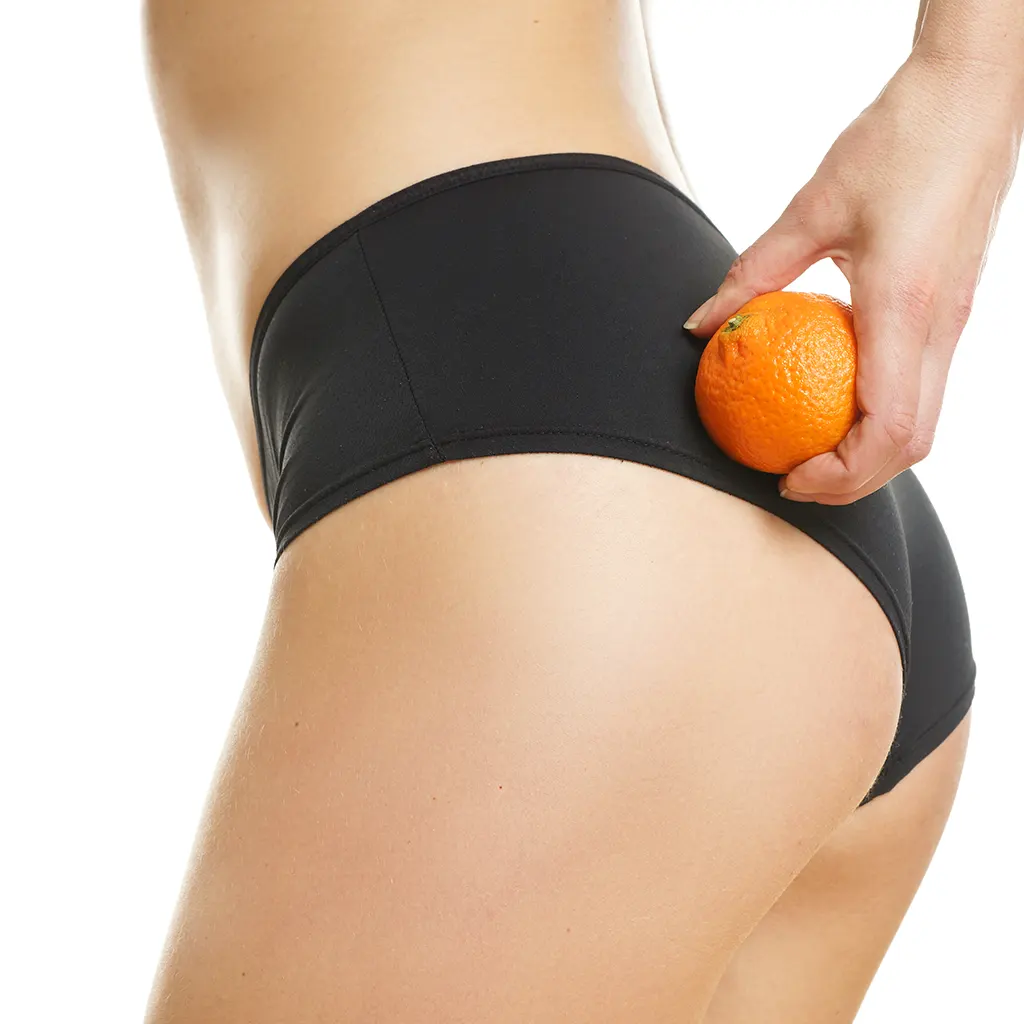
Cellulite is a common aesthetic concern characterised by uneven skin texture, often described as an orange-peel appearance. It commonly affects the thighs, buttocks, abdomen, knees and arms. Assessment considers its stage, skin quality, circulation and the needs of each person.
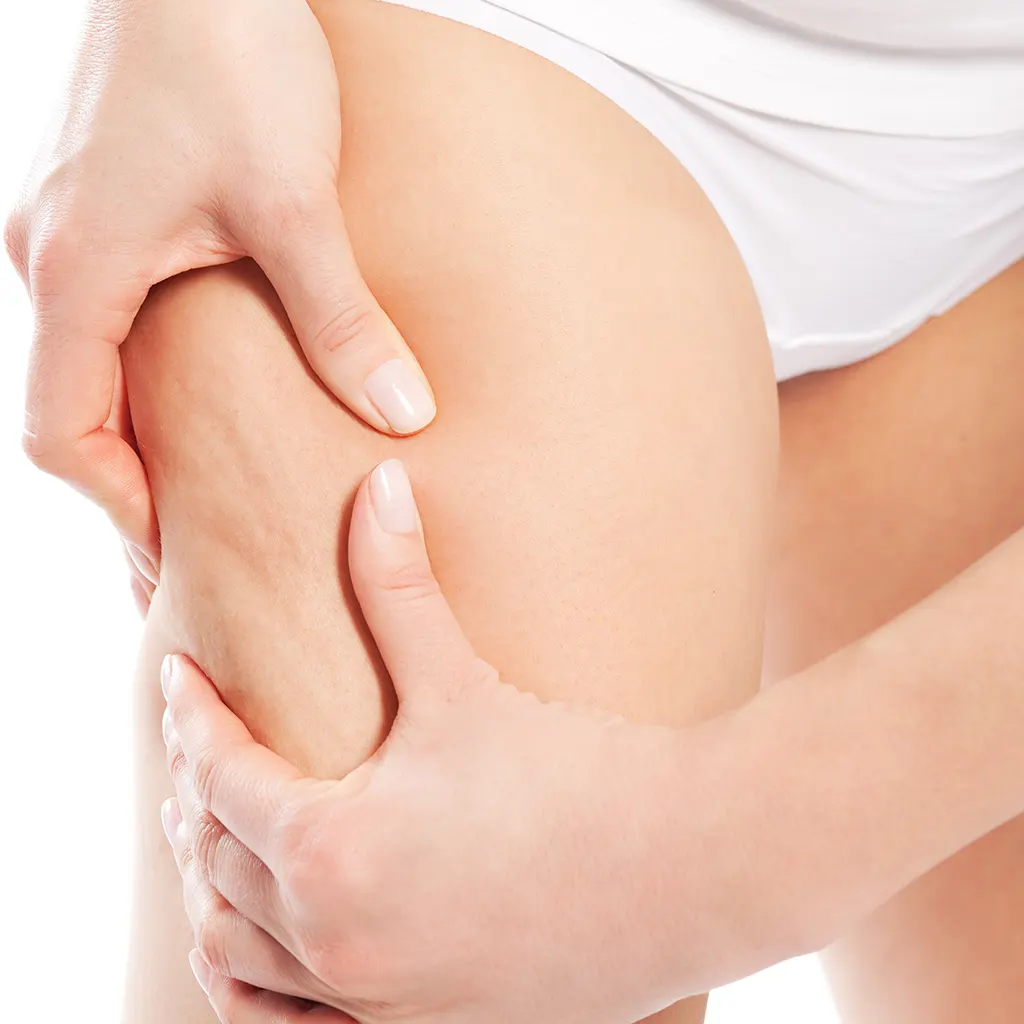
At our clinic in Thessaloniki, treatment plans are tailored to the stage of cellulite, skin quality and the needs of each person.
What Is Cellulite?
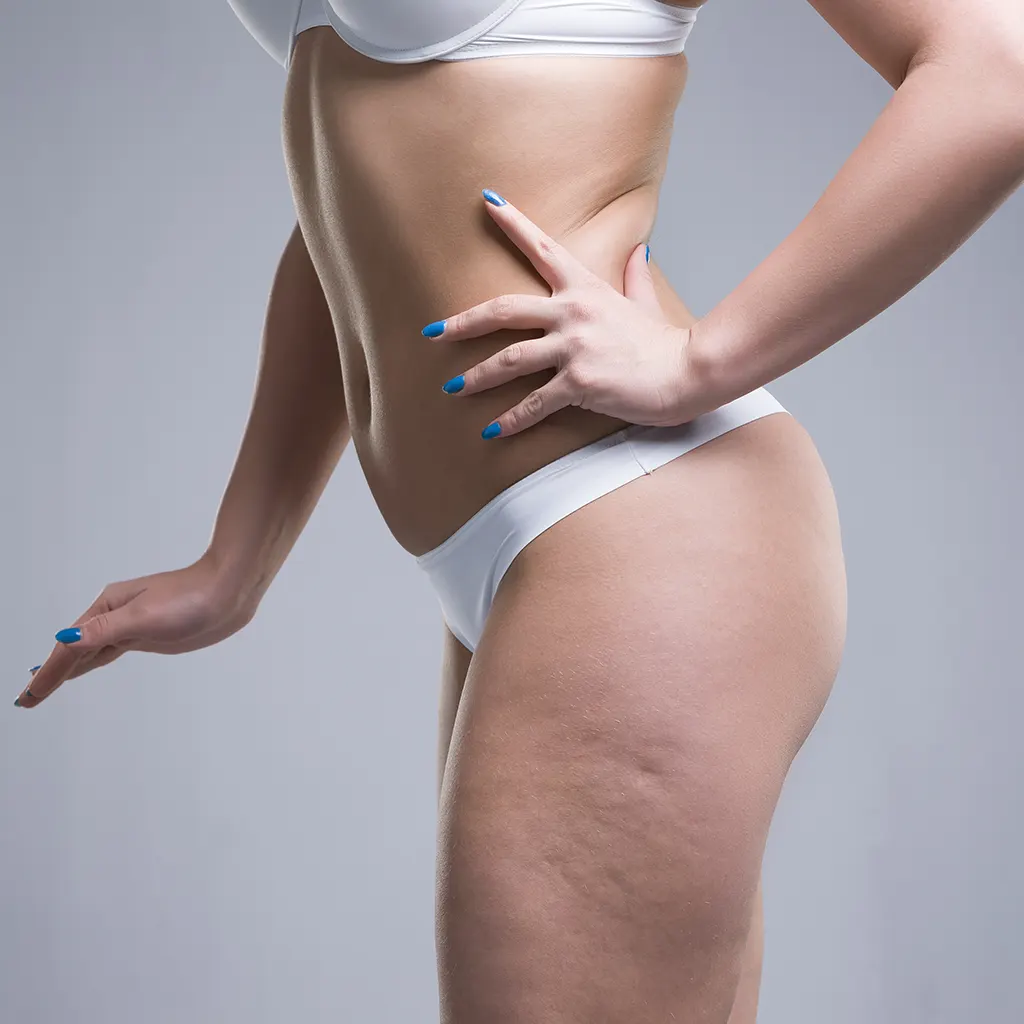
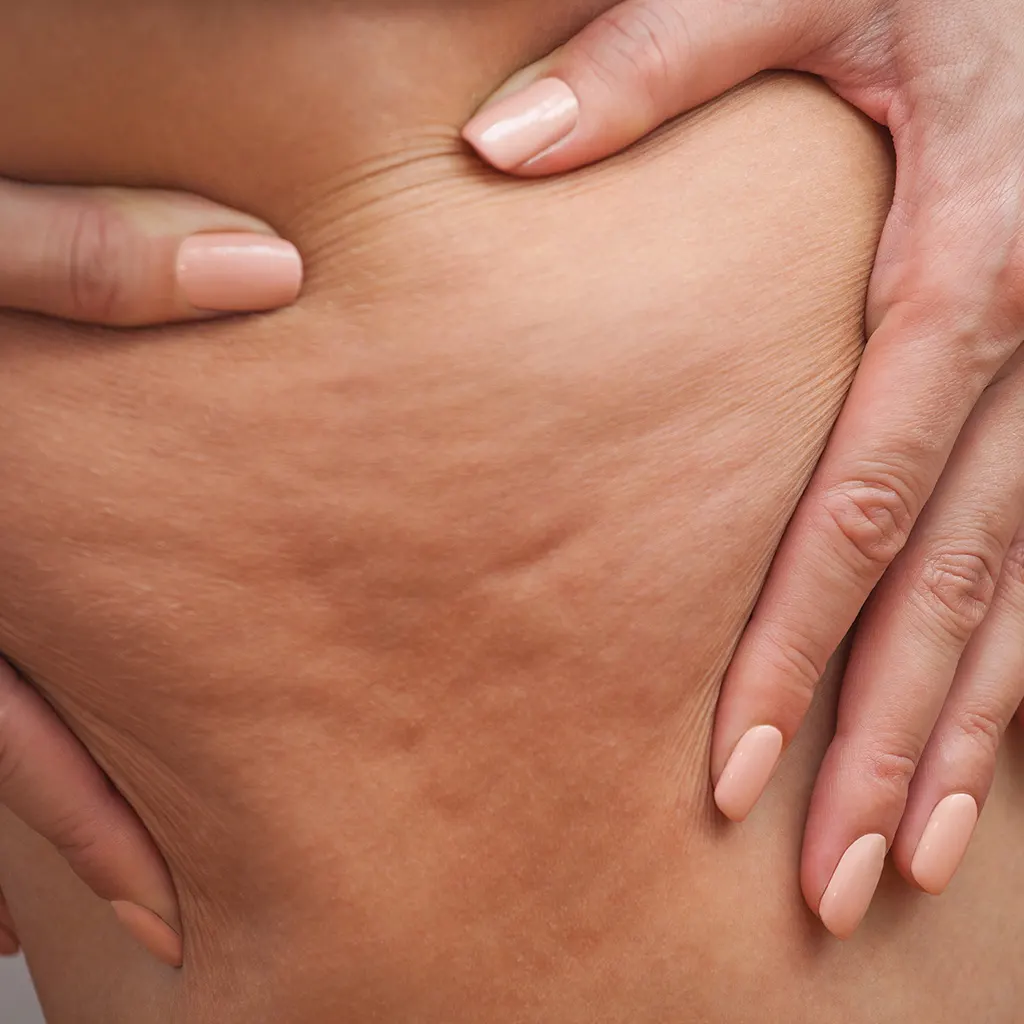
The skin may lose some elasticity and develop dimples or raised areas. Its appearance may be mild in early stages or more visible in advanced cases.
What Causes Cellulite?
Smoking, alcohol, limited exercise and high intake of salt or fatty foods may also affect the appearance of the skin. Assessment helps determine an appropriate combined approach.
Stages and Common Areas
Common areas include the thighs, buttocks, abdomen, knees and inner arms. Treatment selection depends on the stage, skin quality and individual needs.

How Is Cellulite Assessed?
PRCell 2G for Cellulite
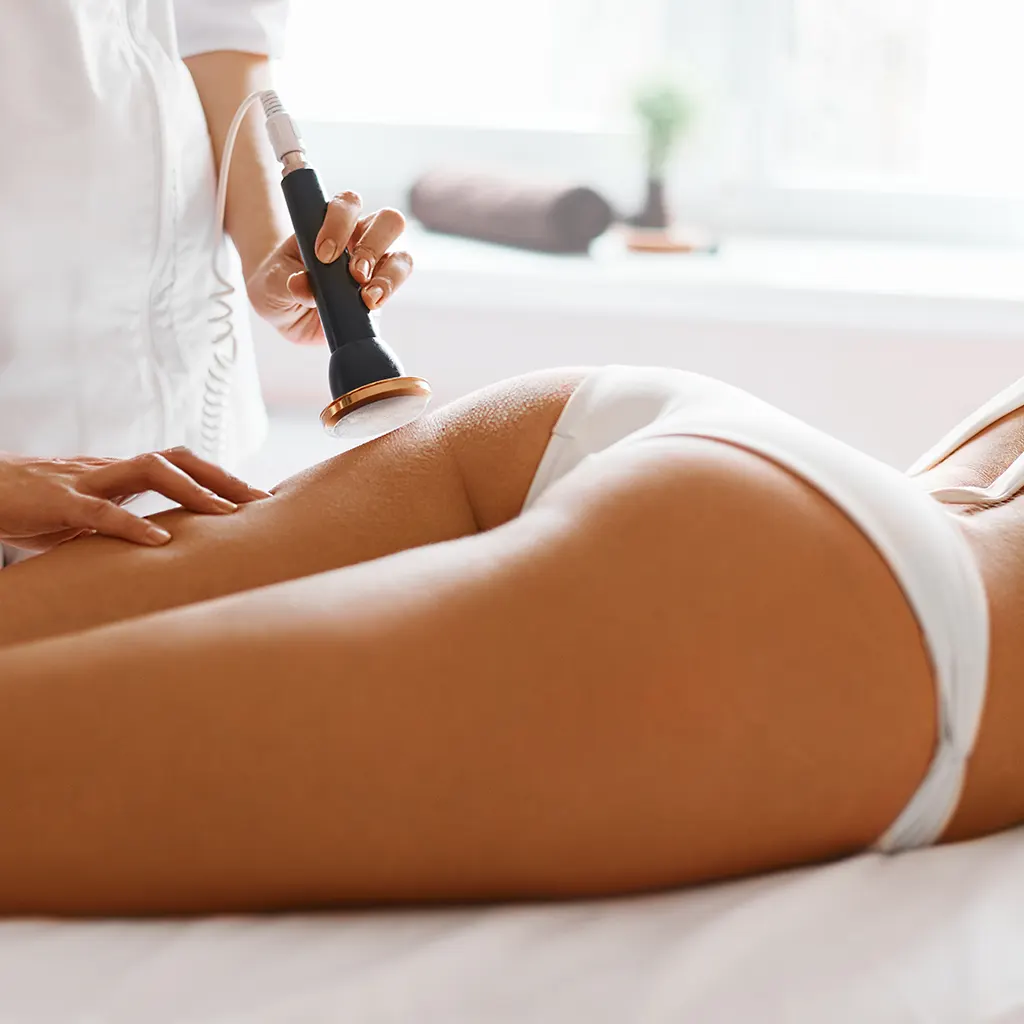
The method is used to support lymphatic and venous circulation, tissue oxygenation and skin texture. It may form part of an individual plan addressing cellulite, fluid retention and skin quality.
Lymphatic and endodermal massage may support tissue drainage and may be combined with body mesotherapy or other body treatments.
The intensity, schedule and number of sessions are adjusted according to the stage of cellulite, treatment area and response. The final plan is determined after assessment.
Related Videos
Short explanations and answers from Dr. Andreas Moutsoudis.
Cellulite Treatment with P.R. Cell 2G in Thessaloniki
Treatment with P.R. Cell 2G is an option for addressing cellulite and localised fat, aiming to improve microcirculation, skin texture and the overall appearance of the sk…
View videoFractional Laser: Where It Is Used & What It May Improve
Fractional laser is used in selected cases to improve skin texture and quality, following a medical assessment.
View videoYou May Also Be Interested In
More information and useful content related to this treatment.
 PRCell 2G: A Non-Invasive Approach to the Appearance of CelluliteCellulite is a common aesthetic concern that may affect body image. PRCell 2G is a non-invasive application used with the aim of improving the appearance of the skin…Read article
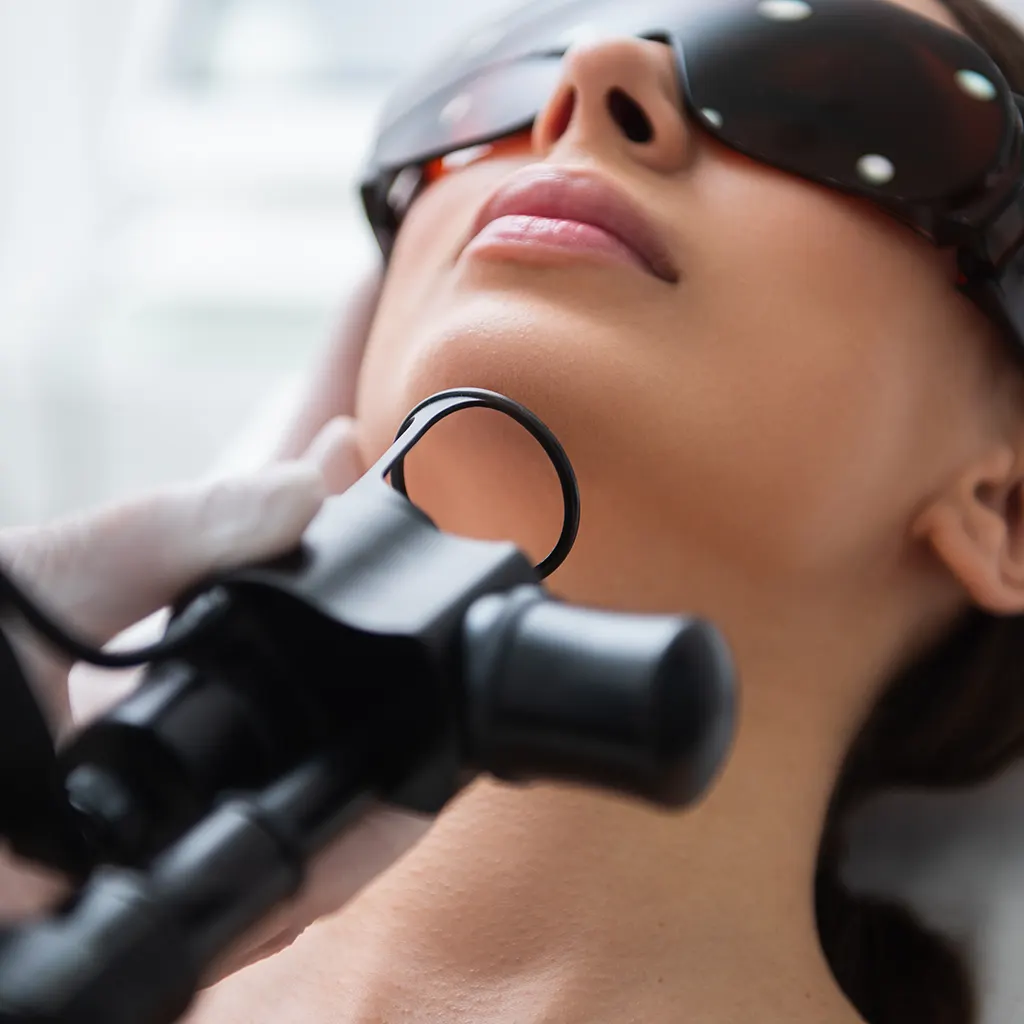 Fractional CO₂ Laser: Skin Resurfacing and RejuvenationThe Fractional CO₂ Laser, with a wavelength of 10,600 nm, creates microscopic zones of controlled thermal action in the skin. It may be used to improve texture, fine…Read article
 GENTLO RF Microneedling for Acne ScarsAcne scars are a common aesthetic concern and may affect skin texture and appearance. Selecting the most appropriate approach depends on scar type and depth, skin ch…Read article
Frequently Asked Questions
What is cellulite and why does it develop?
Which areas are commonly affected by cellulite?
How is cellulite identified?
What are the stages of cellulite?
Which treatments may form part of a cellulite plan?
How many sessions may be needed?
Is PRCell 2G treatment uncomfortable?
Can cellulite disappear completely?
Which daily habits may support a cellulite-treatment plan?
How is cellulite treatment planned at the Thessaloniki clinic?
Would you like to discuss which option is suitable for you?
The right indication and a personalised treatment plan are determined after medical assessment.