Treatment for Men
Otoplasty for Men
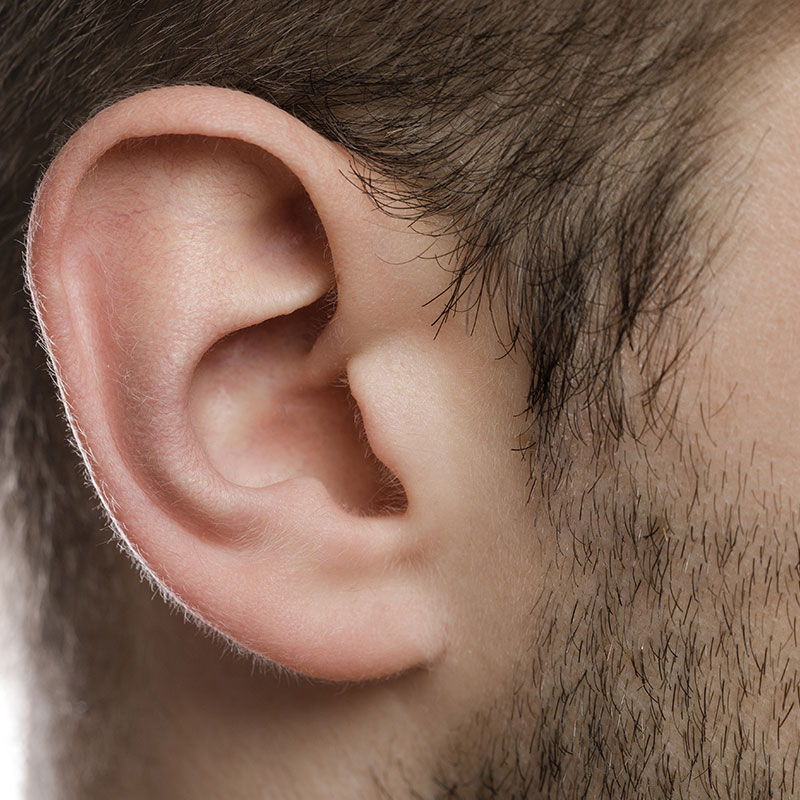
Otoplasty is a procedure used to correct prominent ears. Prominence may be related to an enlarged conchal bowl, underdevelopment of the antihelical fold, or a combination of these anatomical features.

Otoplasty for Men: Procedure, Recovery and Results
Otoplasty is performed in a clinical setting. General anaesthesia is used for children and adolescents, while adults may receive local anaesthesia with or without sedation. After surgery, the patient wears a protective dressing for the first 7 days. A headband is then recommended during sleep for 1–2 months, in accordance with the doctor’s instructions.
An initial change is visible immediately after otoplasty, while the final result is assessed after the swelling has subsided over the following weeks.
An initial change is visible immediately after otoplasty, while the final result is assessed after the swelling has subsided over the following weeks.
Indications for Surgery
Prominent ears are common in both men and women and may cause psychological distress, particularly in young children.
Health conditions such as diabetes, hypertension, thyroid disease and cardiovascular disorders, as well as any medicines being taken, should be reported during the initial consultation.
Taking a detailed medical history, planning the procedure and explaining it to the patient are important steps before surgery.
Health conditions such as diabetes, hypertension, thyroid disease and cardiovascular disorders, as well as any medicines being taken, should be reported during the initial consultation.
Taking a detailed medical history, planning the procedure and explaining it to the patient are important steps before surgery.
Duration of Surgery
The procedure usually takes 1–2 hours and does not require an overnight stay. After surgery, the head is covered with an elastic dressing for 7 days. A headband is then used during sleep for 1–2 months, in accordance with the doctor’s instructions. The intensity of discomfort varies between individuals and is managed according to the postoperative instructions. Temporary reduced sensation may also occur and usually subsides over the following weeks.
Possible complications include swelling, bruising, bleeding, haematoma, skin necrosis, wound separation and nerve injury (neurapraxia).
Possible complications include swelling, bruising, bleeding, haematoma, skin necrosis, wound separation and nerve injury (neurapraxia).
Postoperative Course
After discharge, rest for several days is recommended, together with careful adherence to the treating doctor’s instructions. Sutures are removed after 5–7 days.
Minor bruising and swelling may occur. These are common postoperative findings and usually settle within 14–28 days.
Strenuous physical exercise should be avoided for at least 3 weeks. Sun exposure should also be avoided for at least 6 months, with regular use of a high-protection sunscreen (SPF above 30).
Regular follow-up at the practice during the first weeks and months after surgery is important.
An important part of the consultation is ensuring that the patient understands the procedure, its indications, contraindications and possible complications. Questions that arise after the initial consultation should be discussed before proceeding with surgery.
Discussion with the doctor and understanding the instructions support informed decision-making and appropriate postoperative care.
Minor bruising and swelling may occur. These are common postoperative findings and usually settle within 14–28 days.
Strenuous physical exercise should be avoided for at least 3 weeks. Sun exposure should also be avoided for at least 6 months, with regular use of a high-protection sunscreen (SPF above 30).
Regular follow-up at the practice during the first weeks and months after surgery is important.
An important part of the consultation is ensuring that the patient understands the procedure, its indications, contraindications and possible complications. Questions that arise after the initial consultation should be discussed before proceeding with surgery.
Discussion with the doctor and understanding the instructions support informed decision-making and appropriate postoperative care.
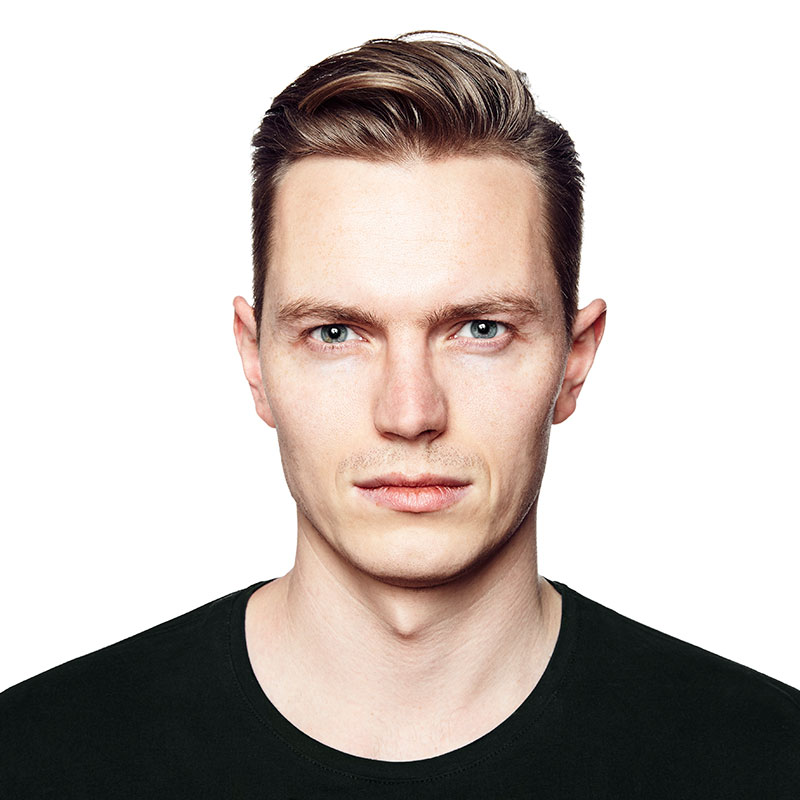
Anaesthesia, Photographs and Consent
Otoplasty for men is usually performed under local anaesthesia combined with sedation. Photographs are taken before surgery to support planning and after surgery for inclusion in the medical record. Informed consent is also important: it sets out the information relating to the procedure, and the patient receives a copy.

You May Also Be Interested In
More information and useful content related to this treatment.
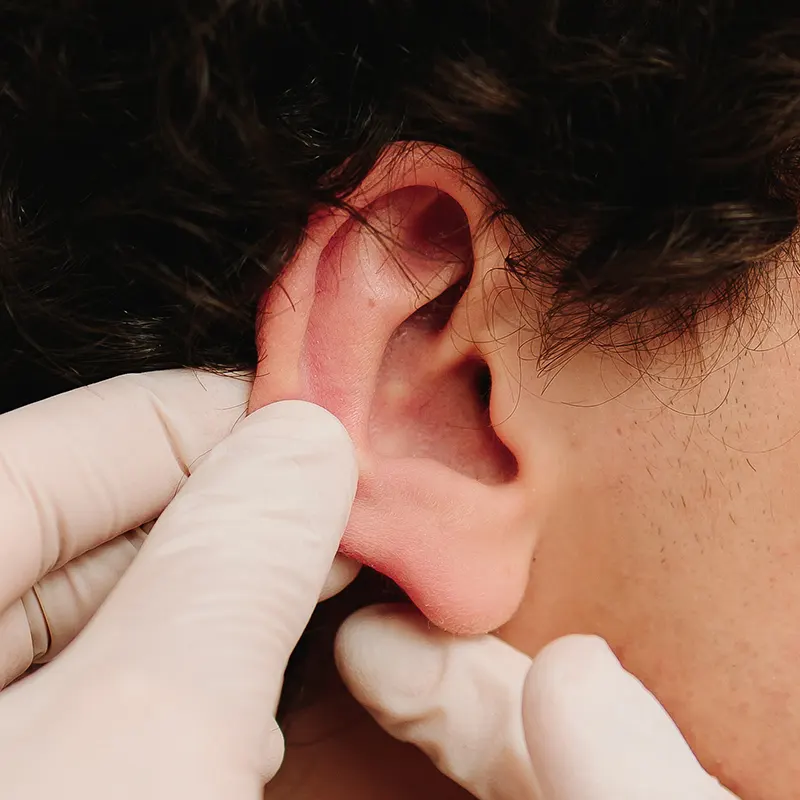 Prominent Ears: A Case PresentationSurgical correction of prominent ears may be performed with local anaesthesia and sedation, depending on the case. Recovery instructions and the need for observation…Read article
 Read article
 GENTLO RF Microneedling for Acne ScarsAcne scars are a common aesthetic concern and may affect skin texture and appearance. Selecting the most appropriate approach depends on scar type and depth, skin ch…Read article
Patient Reviews
Patient experiences from our clinic and treatments.
 Chris M...

★★★★★
There is a reason why this is one of the best clinics in the city... The team is amazing, and they are all professional, extremely helpful and kind. Maria is truly a star, 100%.
 ΑΓΓΕΛΟΣ Π...
★★★★★
My experience at Mr. Moutsoudis’s clinic has been excellent. From the first visit, I felt trust and comfort. I had laser hair removal treatment and have been satisfied with it. The results are excellent and the device is painless. I should also mention that the staff are extremely kind and the premises are always clean and very well maintained. I highly recommend it!
 Παναγιωτης Κ...
★★★★★
Exceptionally well trained, very informative and approachable as a person. I wish all doctors were like this. Even though the clinic was extremely busy, I felt that I had his full attention and he gave me as much time as I needed. His associate was wonderful, and the very kind reception staff assisted me perfectly!
 Dimitrios T...
★★★★★
Excellent professionals and wonderful results with laser treatment for heavy hair growth. Thank you.
Frequently Asked Questions
What is otoplasty and who may consider it?
Otoplasty reshapes prominent ears by adjusting the conchal bowl, the antihelical fold or both, depending on the anatomy. Suitability is assessed individually for adults and children.
What type of anaesthesia is used?
Adults usually receive local anaesthesia with sedation, while general anaesthesia is used for children. The anaesthetic plan is selected after assessment.
How long does the procedure take?
The procedure takes approximately 1–2 hours and does not usually require an overnight stay.
What does postoperative care involve?
A protective dressing is worn for the first 7 days. A headband is then recommended during sleep for 1–2 months, in accordance with the doctor’s instructions. Strenuous exercise and sun exposure should be avoided for 3 weeks and 6 months respectively.
When are the results visible?
An initial change is visible immediately, while the final result is assessed after approximately 3–4 weeks as swelling and any bruising subside.
What discomfort or complications may occur?
Discomfort varies between individuals. Swelling or bruising may take 2–4 weeks to settle. Possible complications include haematoma and changes in sensation in the area.
How does the procedure affect everyday activities?
A return to light everyday activities can take place in accordance with the doctor’s instructions, while strenuous physical exercise should be avoided for at least 3 weeks. Sun protection is required for 6 months.
What should I know before deciding?
It is important to understand the anatomical features of the ears, the postoperative instructions and the possible complications before proceeding with surgery.
Where is otoplasty performed in Thessaloniki?
The procedure is planned after an individual medical assessment and is performed in an appropriately organised clinical setting in Thessaloniki.
Would you like to discuss which option is suitable for you?
The right indication and a personalised treatment plan are determined after medical assessment.