Treatment for Men
Blepharoplasty for Men
The skin around the male eyes and eyelids is thin and sensitive, which makes this one of the first areas where signs of ageing become visible. It is also affected by external ageing factors, such as the environment and sun exposure, and by intrinsic factors including genes, heredity and time.
Male Blepharoplasty: Upper and Lower Eyelids
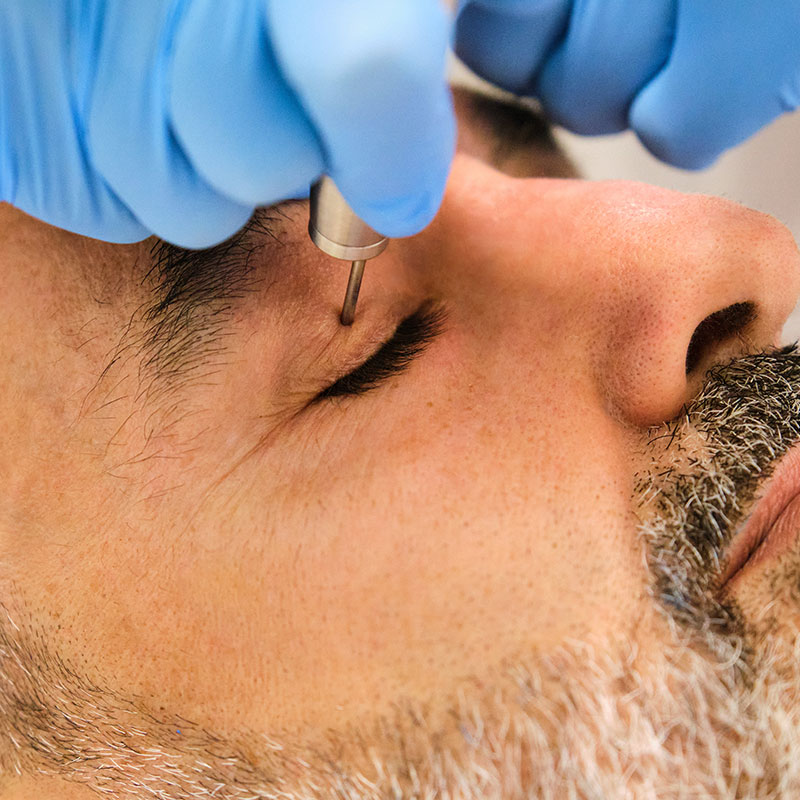
The area around the eyes, including the upper and lower eyelids, has a significant effect on facial appearance. Loose skin and eyelid bags contribute to an ageing appearance.
The aim of blepharoplasty for men is to address loose skin and eyelid bags while maintaining harmony with the other facial features.
The aim of blepharoplasty for men is to address loose skin and eyelid bags while maintaining harmony with the other facial features.
Fat Grafting and Duration of the Result
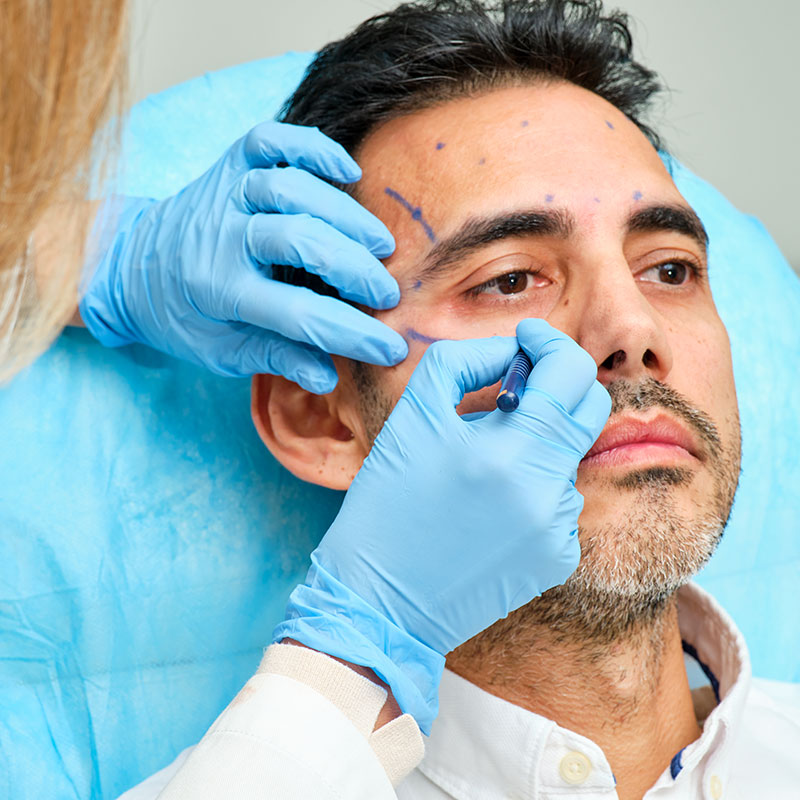
Fat grafting with autologous fat using the micro fat grafting technique may be combined with blepharoplasty when indicated. The result is assessed individually in relation to each man’s anatomical features. The aesthetic result is long-lasting and may be maintained for 10–15 years, depending on age and lifestyle.
What Blepharoplasty Addresses and How It Is Performed
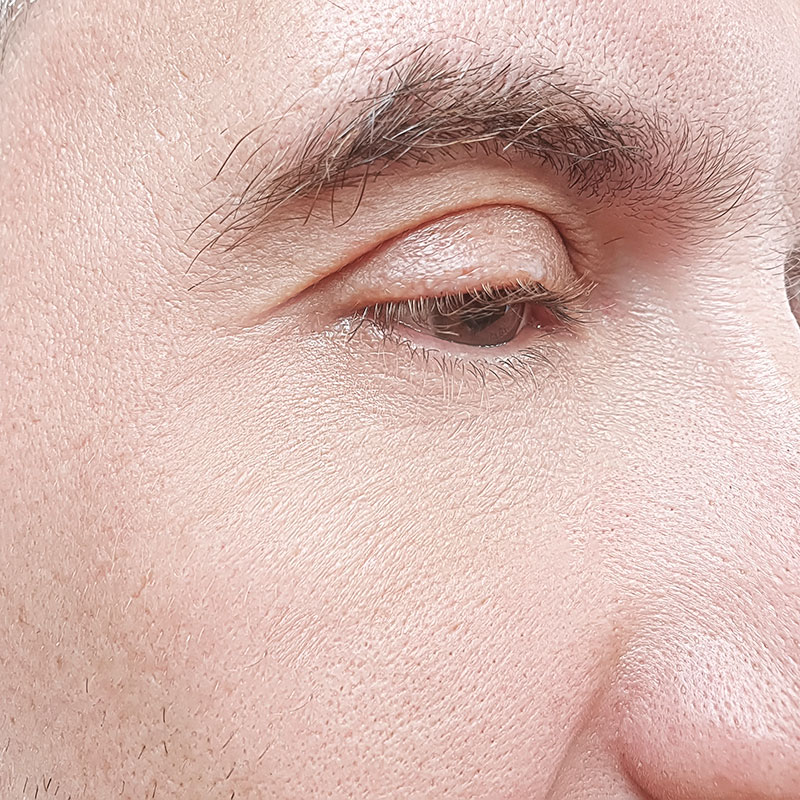
Blepharoplasty is an established facial aesthetic procedure. Loose eyelid skin, laxity of the orbicularis muscle and protrusion of the orbital fat are among the features that may lead someone to consult a plastic surgeon.
Blepharoplasty addresses loose skin and eyelid bags.
Crow’s-feet lines, dark circles, a drooping forehead and the outer part of the eyebrows are assessed separately and may require other techniques, such as a forehead lift or laser resurfacing.
In some cases only the upper eyelids are treated, and in others only the lower eyelids. Upper and lower eyelid surgery may also be performed together.
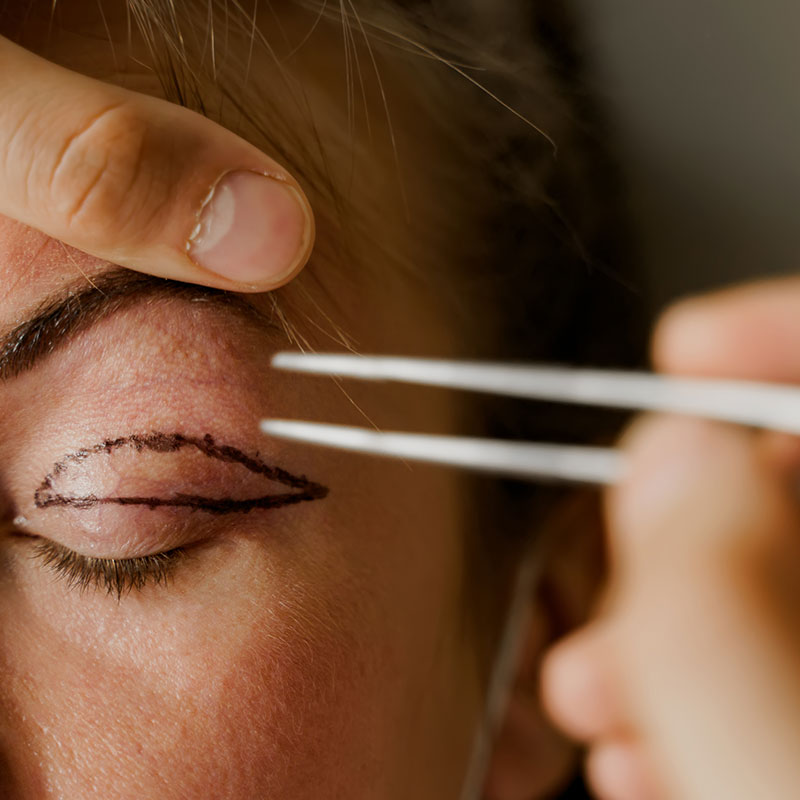
The incisions in the upper and lower eyelids follow the natural folds of the eye. Through these incisions, the surgeon accesses the underlying muscle and the orbital fat that forms the bags, removing fat and excess skin where required.
Blepharoplasty addresses loose skin and eyelid bags.
Crow’s-feet lines, dark circles, a drooping forehead and the outer part of the eyebrows are assessed separately and may require other techniques, such as a forehead lift or laser resurfacing.
In some cases only the upper eyelids are treated, and in others only the lower eyelids. Upper and lower eyelid surgery may also be performed together.
The incisions in the upper and lower eyelids follow the natural folds of the eye. Through these incisions, the surgeon accesses the underlying muscle and the orbital fat that forms the bags, removing fat and excess skin where required.
Functional Concerns and Medical History Before Blepharoplasty
Excess skin around the eyes can sometimes interfere with vision. This may also be related to laxity of the muscles that elevate the eyelids, allowing the eyelids to cover part of the eye and obstruct vision.
Health conditions such as diabetes, hypertension, thyroid disease, cardiovascular disease, dry eyes, glaucoma and retinal detachment, as well as any medicines being taken, should be reported during the first consultation with the treating doctor.
Health conditions such as diabetes, hypertension, thyroid disease, cardiovascular disease, dry eyes, glaucoma and retinal detachment, as well as any medicines being taken, should be reported during the first consultation with the treating doctor.
Duration of Surgery
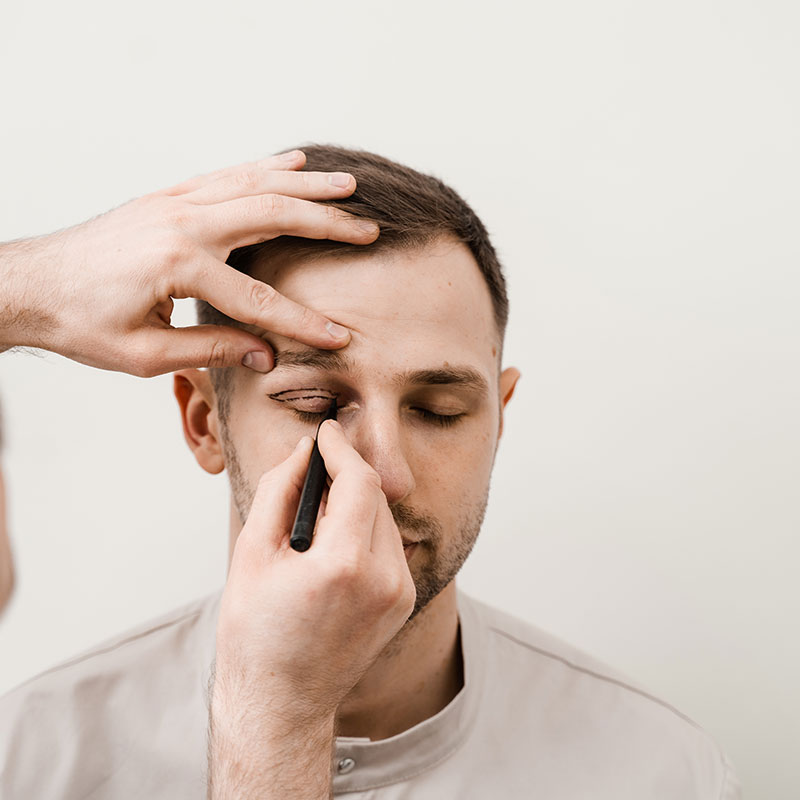
The procedure usually takes 1–2 hours and does not require an overnight stay. If it is combined with another procedure, the duration is longer.
Anaesthesia, Photographs and Consent
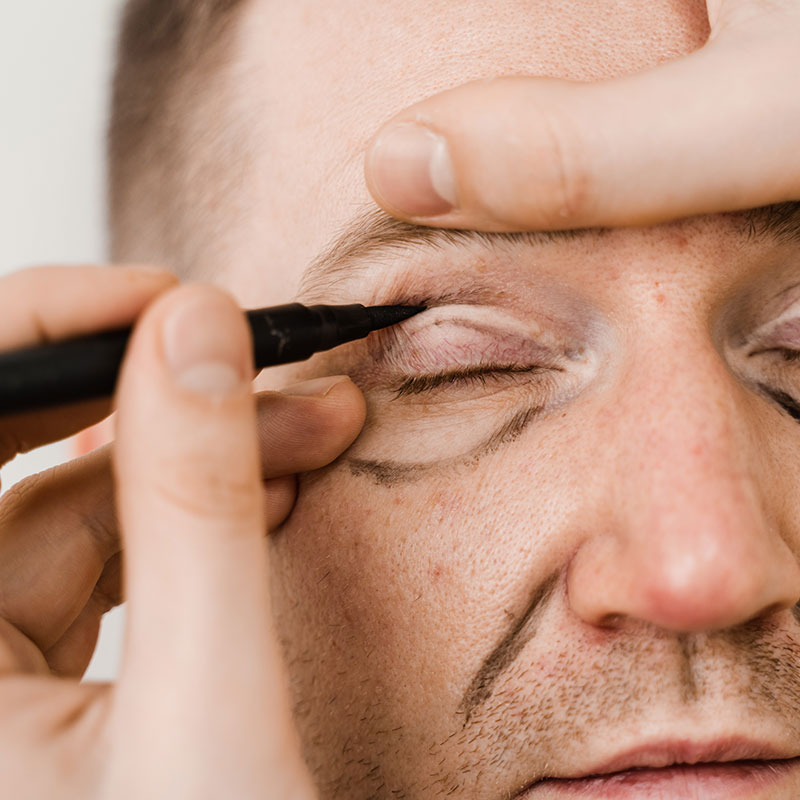
The procedure is usually performed under local anaesthesia combined with sedation. Photographs are taken before surgery to support planning and after surgery for inclusion in the medical record. Informed consent sets out the information relating to the procedure, and the patient receives a copy.
Postoperative Course
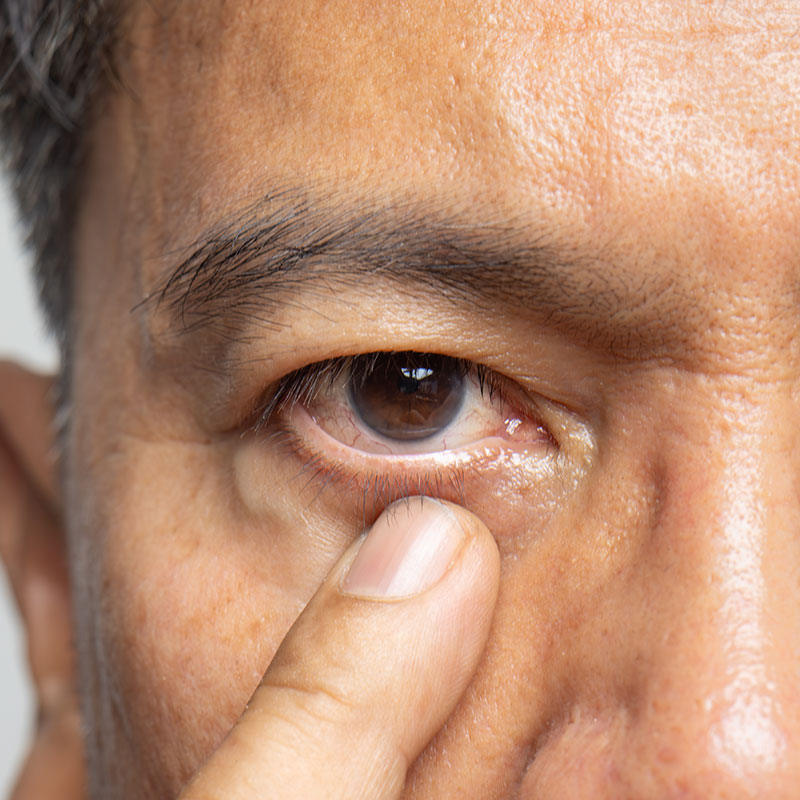
After discharge, rest for several days is recommended, together with careful adherence to the treating doctor’s instructions. Sutures are removed after 5–7 days. The patient can return to work after the first week.
Minor bruising and swelling may occur. These common postoperative findings usually settle within 14–28 days. Elevating the head and using cold compresses may be recommended during the first 2–3 days, in accordance with the doctor’s instructions.
Strenuous physical exercise should be avoided for at least 3 weeks. Sun exposure should also be avoided for at least 6 months, with regular use of high-protection sunscreen (SPF above 30).
Regular follow-up at the practice during the first weeks and months after surgery is important.
An important part of the consultation is ensuring that the patient understands the procedure, its indications, contraindications and possible complications. Questions that arise after the initial consultation should be discussed before proceeding with surgery.
Discussion with the doctor and understanding the instructions support informed decision-making and appropriate postoperative care.
Minor bruising and swelling may occur. These common postoperative findings usually settle within 14–28 days. Elevating the head and using cold compresses may be recommended during the first 2–3 days, in accordance with the doctor’s instructions.
Strenuous physical exercise should be avoided for at least 3 weeks. Sun exposure should also be avoided for at least 6 months, with regular use of high-protection sunscreen (SPF above 30).
Regular follow-up at the practice during the first weeks and months after surgery is important.
An important part of the consultation is ensuring that the patient understands the procedure, its indications, contraindications and possible complications. Questions that arise after the initial consultation should be discussed before proceeding with surgery.
Discussion with the doctor and understanding the instructions support informed decision-making and appropriate postoperative care.
Frequently Asked Questions
Why do men consider blepharoplasty?
The procedure addresses loose skin and bags around the eyes, with the aim of creating a more rested appearance while preserving the patient’s facial characteristics.
How does male blepharoplasty differ from female blepharoplasty?
In men, particular attention is given to preserving the natural facial characteristics and avoiding an excessively tightened appearance.
Does the procedure leave visible scars?
The incisions are placed within the natural eyelid folds. The appearance of the scars evolves during healing and is assessed at follow-up appointments.
How long do the results of blepharoplasty last?
The aesthetic result is long-lasting and may be maintained for 10–15 years, depending on age and lifestyle.
At what age may blepharoplasty be considered?
The procedure is commonly performed in men over the age of 35, when signs of ageing around the eyes become more pronounced, although there is no strict age limit.
Is an overnight stay required?
No. Blepharoplasty is usually performed under local anaesthesia with sedation, and the patient returns home on the same day.
What does postoperative care involve?
Several days of rest, cold compresses and avoidance of strenuous exercise are recommended. Sutures are removed after 5–7 days, and return to work usually takes place within one week.
Where is blepharoplasty performed in Thessaloniki?
The procedure is planned after an individual medical assessment and is performed in an appropriately organised clinical setting in Thessaloniki.
Would you like to discuss which option is suitable for you?
The right indication and a personalised treatment plan are determined after medical assessment.