Non-surgical Treatment
Chemical Peel: Individualised Skin Exfoliation
A chemical peel is an aesthetic treatment that uses selected solutions to provide superficial, medium-depth or deep exfoliation. The type and intensity are chosen according to the skin, the treatment goal and the time of year.
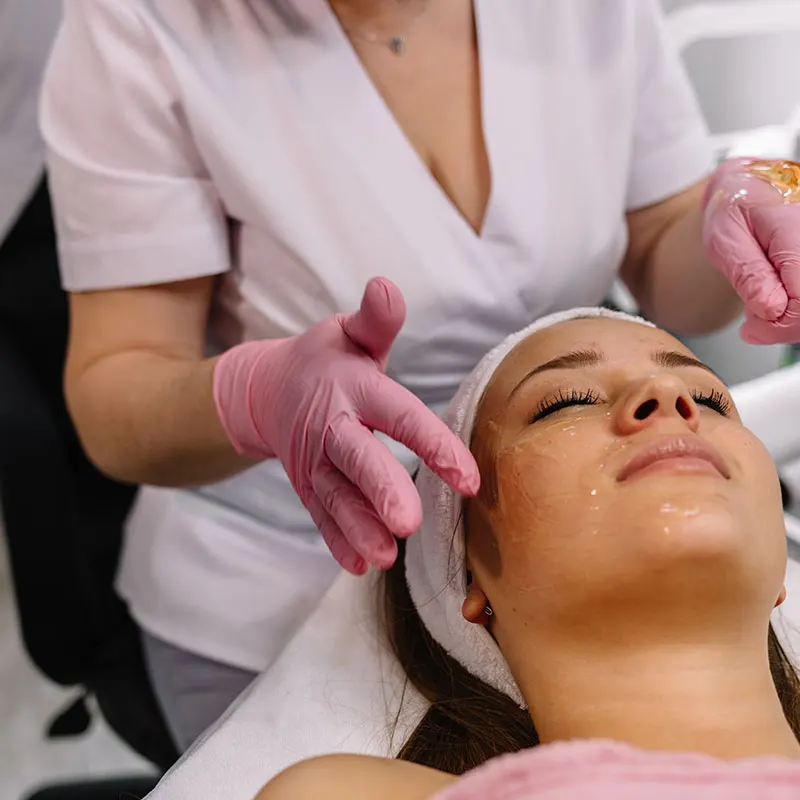
Chemical Peels: Skin Renewal for Selected Concerns
Chemical peels may be used for a range of skin concerns:
- Fine lines: may help soften the appearance of fine lines, particularly around the eyes and mouth.
- Uneven pigmentation: may address changes in skin tone, including selected dark spots and discolouration.
- Uneven skin texture: may improve the appearance and feel of rough or uneven skin.
- Improving the appearance of the face: selected peels may support a brighter, more even appearance.
- Removal of dead surface cells: exfoliation supports renewal of the skin surface.
- Neck and décolletage: treatment may also be planned for these areas.
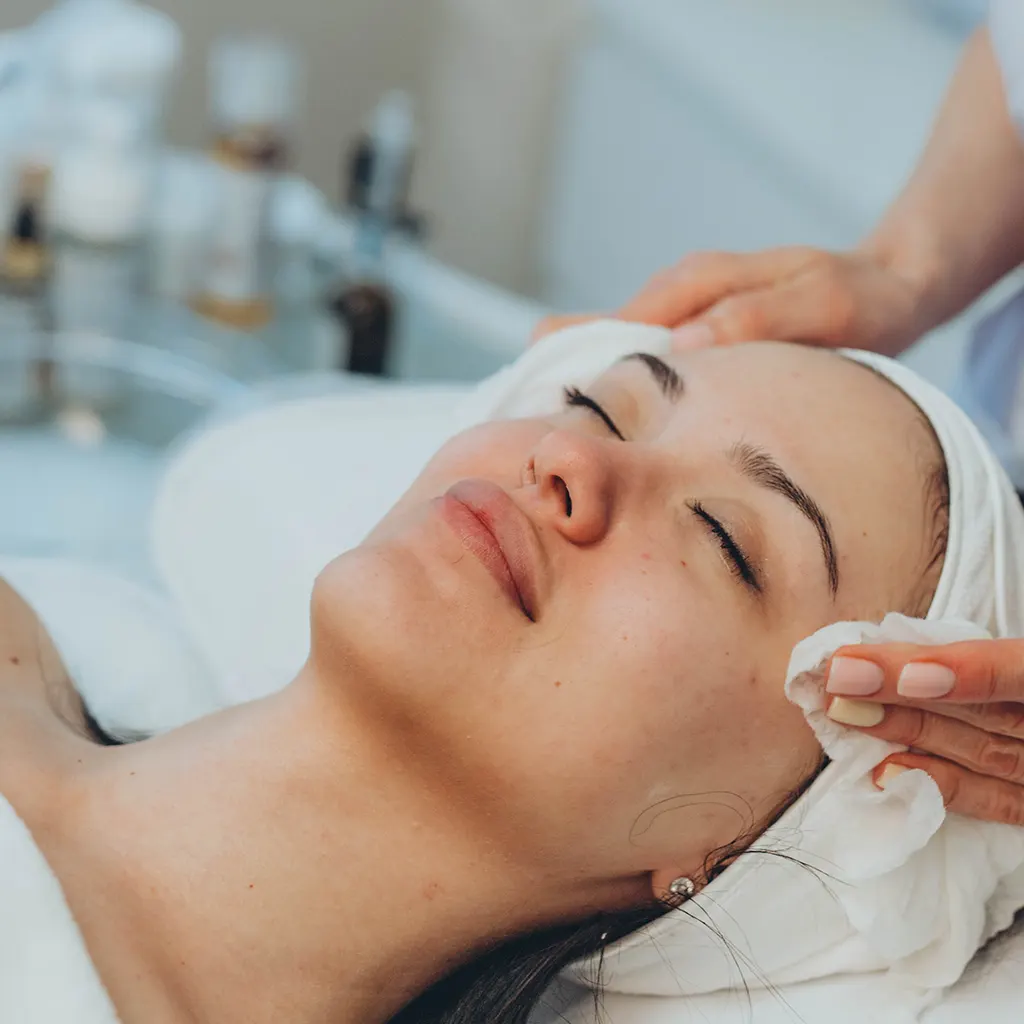
Common Types of Chemical Peel
- Glycolic acid: an alpha-hydroxy acid (AHA) derived from sugar cane. It is often used in superficial peels.
- Salicylic acid: has keratolytic, anti-inflammatory and antibacterial properties and may be selected for oily or acne-prone skin.
- Mandelic acid: a gentler acid that may be considered for sensitive skin, pigmentation concerns and acne.
- Azelaic acid: a naturally occurring compound used for selected pigmentation concerns and acne-prone skin.
- Phenol: associated with deeper peeling. It requires careful medical selection, preparation and a longer recovery period.
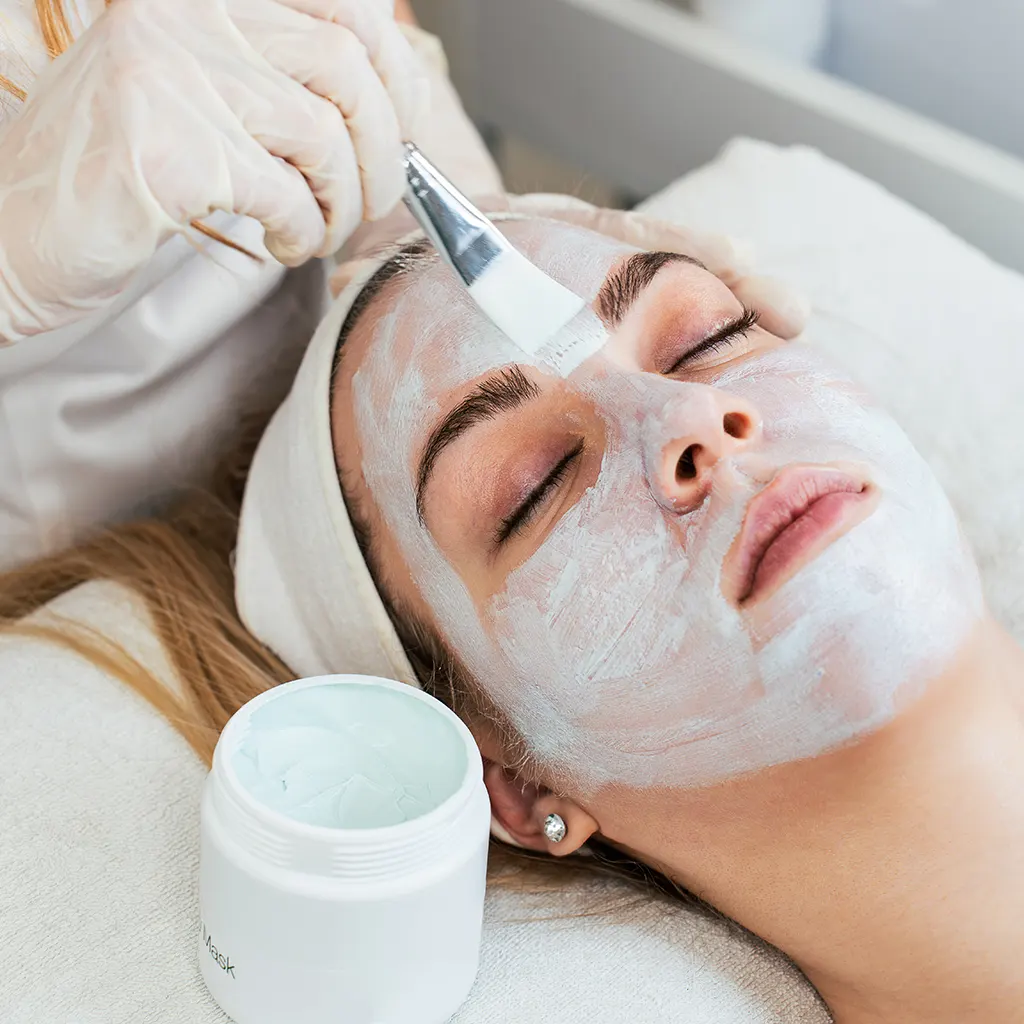
Chemical Peels: Individualised Treatment and Aftercare
The choice of chemical peel is based on the condition and needs of the skin. Appropriate preparation, aftercare and sun protection form part of the treatment plan.
Before & After Results
View real patient cases related to this treatment.
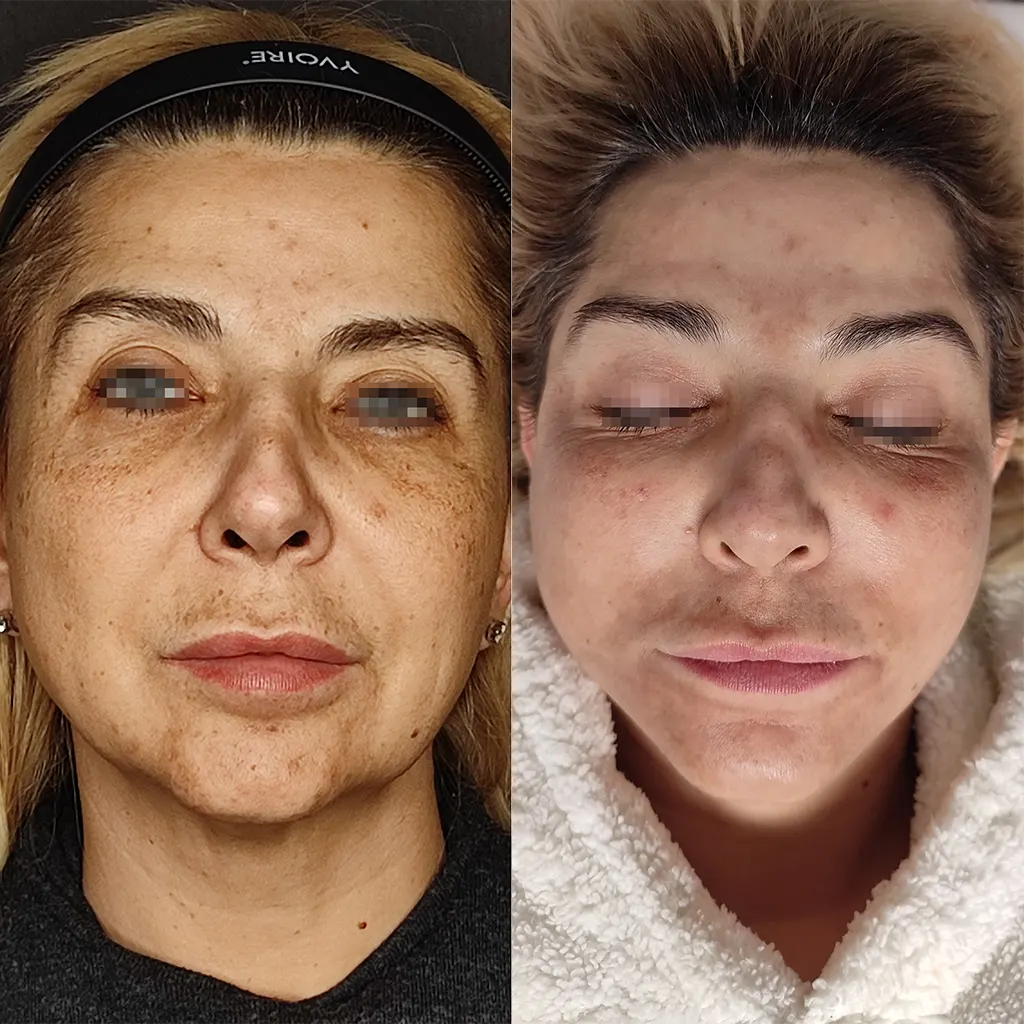 Chemical Peeling
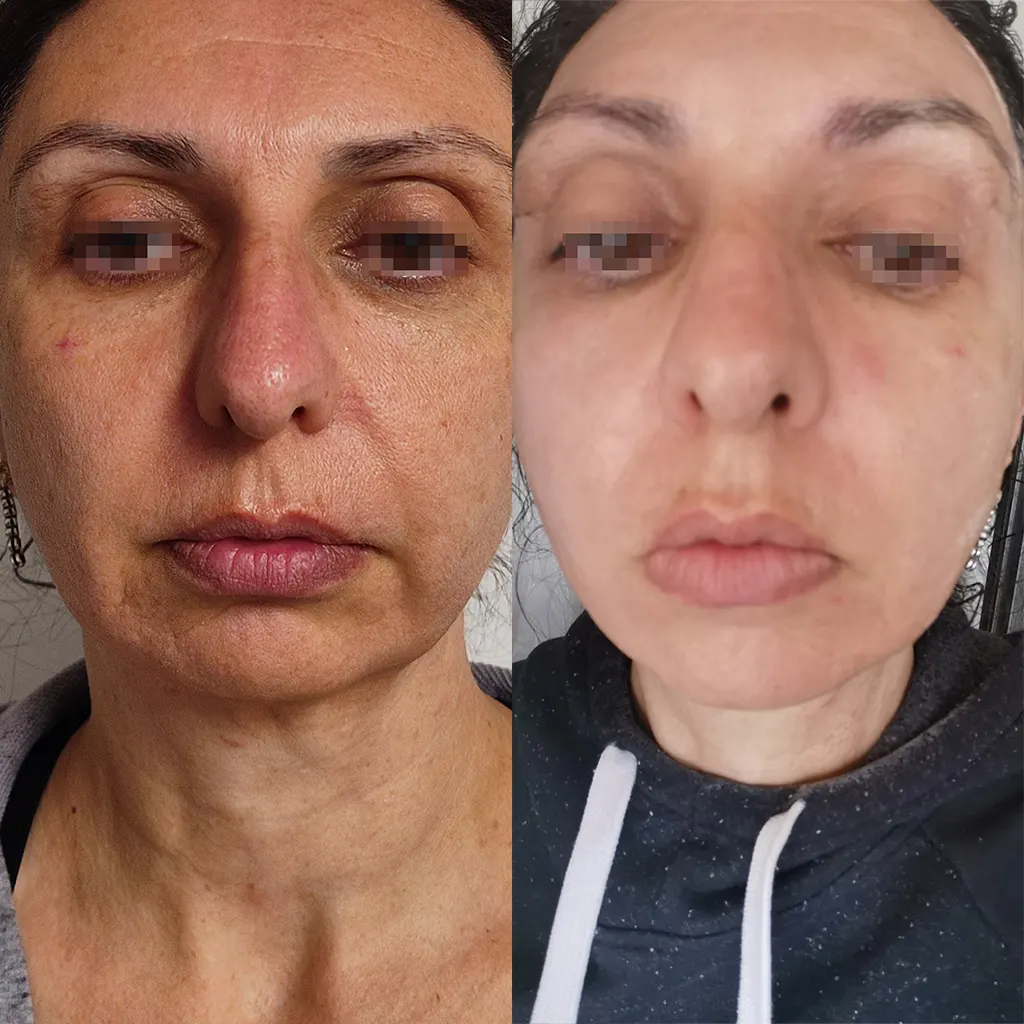 Chemical Peeling
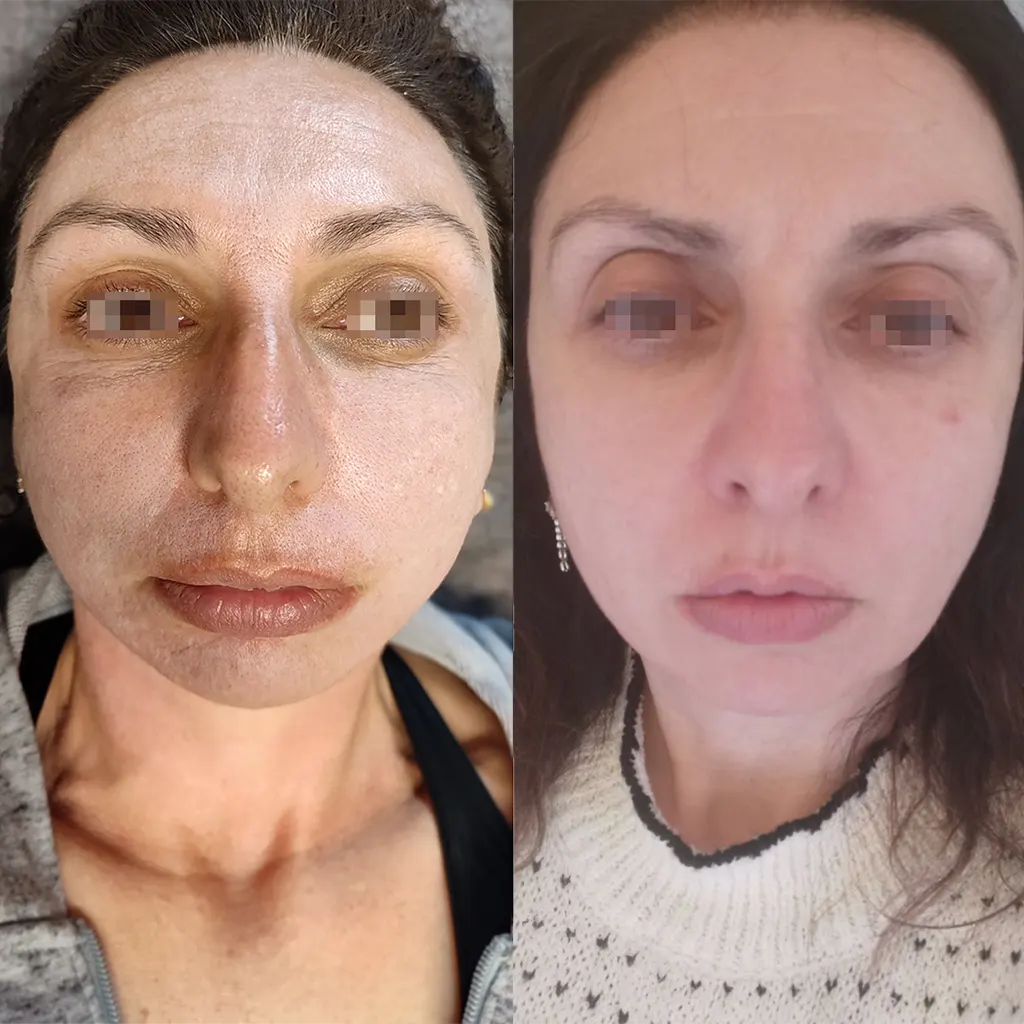 Chemical Peeling
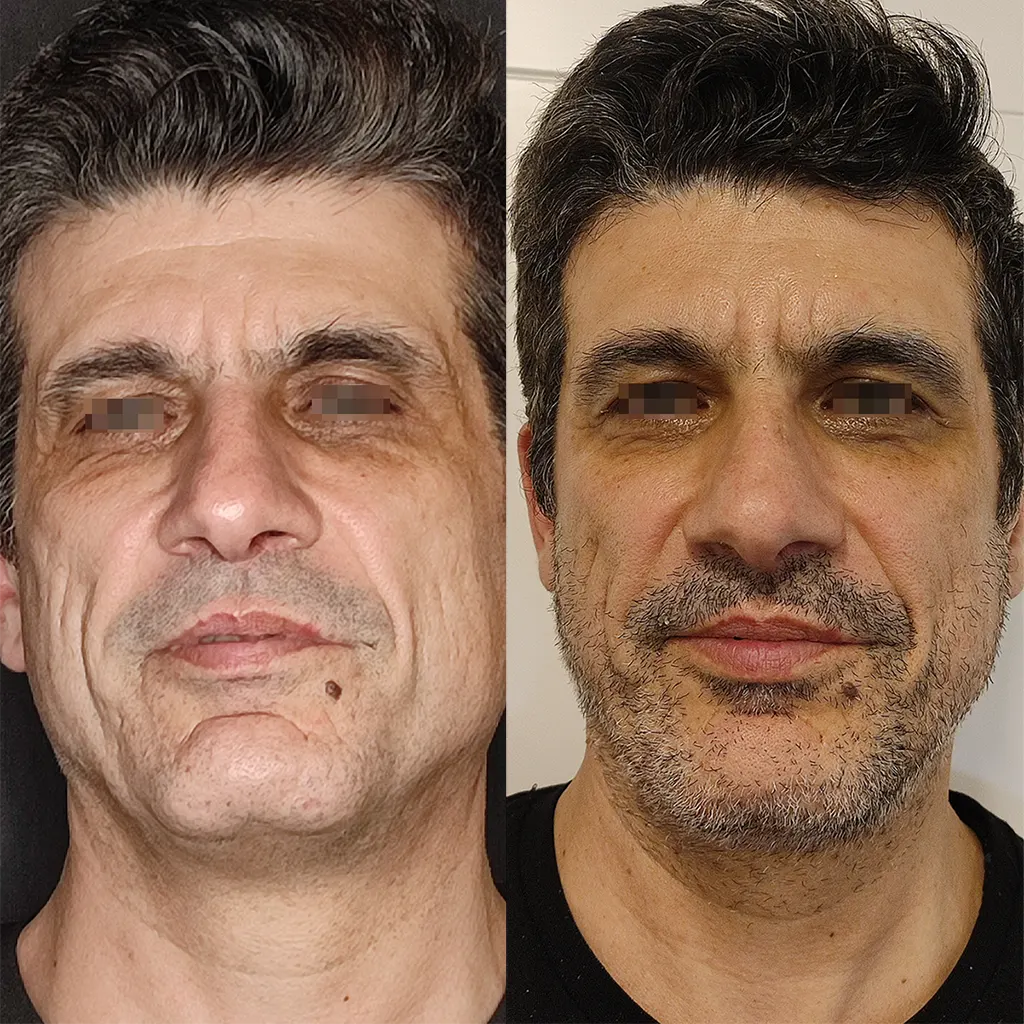 Chemical Peeling
Frequently Asked Questions
What is a chemical peel and how does it work?
A chemical peel uses selected acids to remove surface cells and support the skin’s renewal process. It may be used to improve the appearance of texture and tone.
Who may be suitable for a chemical peel?
It may be considered for concerns such as fine lines, pigmentation changes, acne scars or dull skin. The peel is selected according to skin type and individual needs.
How is treatment safety assessed?
The peel solution and intensity are selected by the doctor according to the skin type, treatment area and individual assessment.
Is a chemical peel uncomfortable?
A mild burning or stinging sensation may occur, particularly with stronger peels. The sensation is generally brief.
Which ingredients may be used?
Depending on the concern, glycolic, salicylic, mandelic or azelaic acid, or phenol, may be selected. Each has a different action and is chosen individually.
How long do the results last?
Changes may be seen during the first days and continue over time. Duration varies according to the type and depth of peel.
Is there recovery time after treatment?
Recovery after superficial and medium-depth peels is usually shorter. A deep phenol peel requires a substantially longer recovery period, as described in the treatment plan.
Can a peel be performed during summer?
Selected mild acids may be considered when appropriate sun-protection measures can be followed. The timing is determined after assessment.
May a peel be used for acne-prone skin or acne marks?
Acids such as salicylic and azelaic acid may be selected for acne-prone skin and concerns involving inflammation, pores or marks.
How many sessions are needed?
The source content describes 3–6 sessions depending on the peel intensity and the concern being treated. The doctor determines the protocol.
Would you like to discuss which option is suitable for you?
The right indication and a personalised treatment plan are determined after medical assessment.