Non-surgical Treatment
Injectable Fillers (Hyaluronic Acid / Poly-L-Lactic Acid / Autologous Fat)
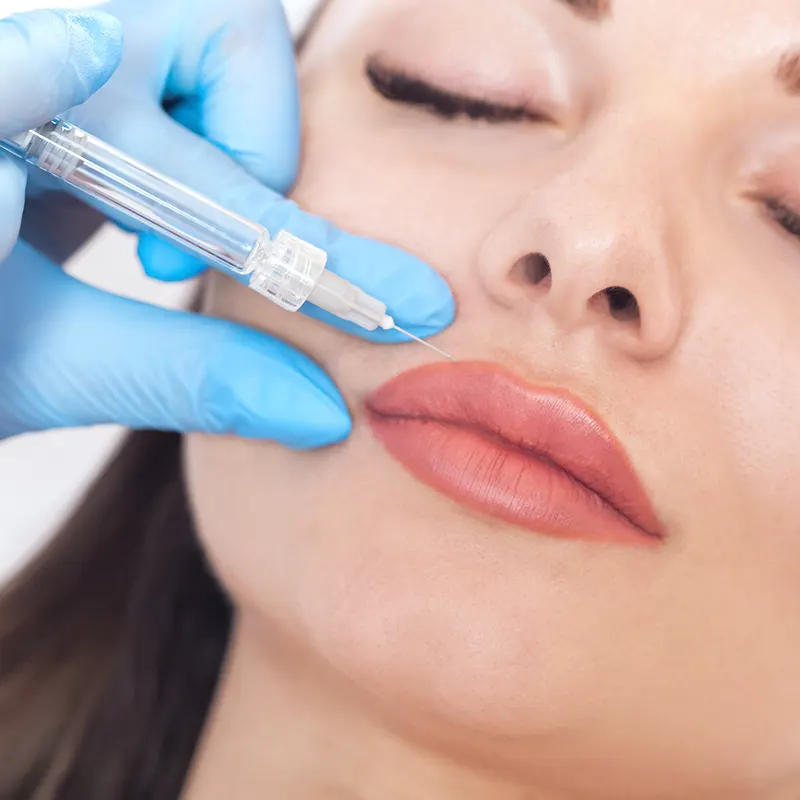
Hyaluronic acid fillers are widely used in aesthetic medicine to restore volume and refine facial contours. Injectable hyaluronic acid products can be selected according to the area treated and the individual needs of each person.
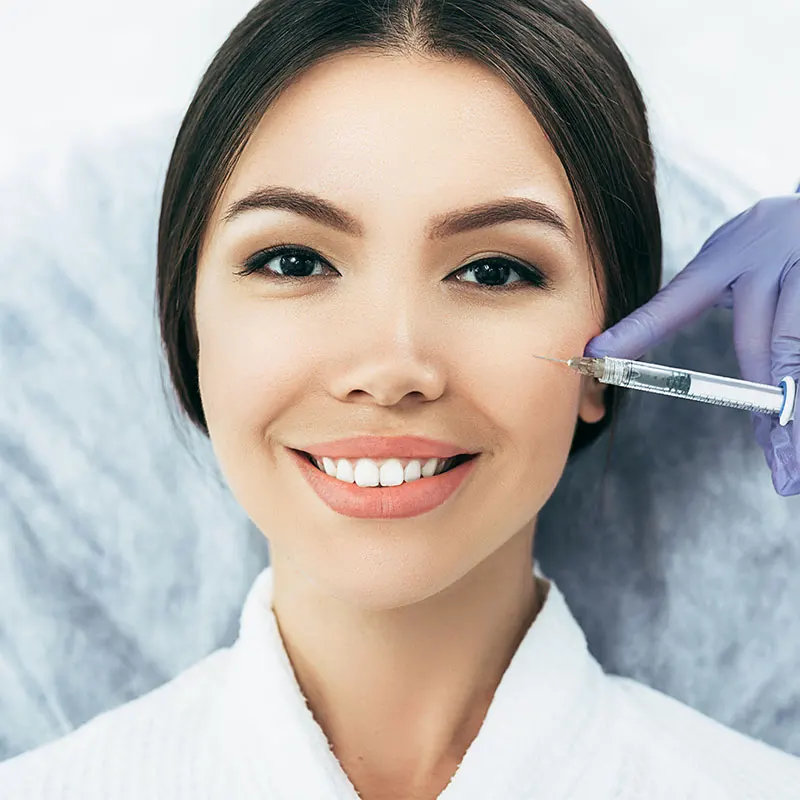
Hyaluronic Acid Fillers: Facial Contouring, Volume and Softening of Lines
Hyaluronic acid fillers may be used for a range of aesthetic concerns:
- Refining the facial oval: to support symmetry and define facial contours.
- Adding volume to the lips and cheekbones: to enhance fullness and facial proportions.
- Softening lines:
- Nasolabial folds: the lines extending from the nose towards the corners of the mouth.
- Perioral lines: lines that form around the mouth and lips.
- Glabellar lines: lines between the eyebrows.
- Acne scars: to help improve contour irregularities and the appearance of selected scars.
- Non-surgical refinement of selected nasal irregularities.
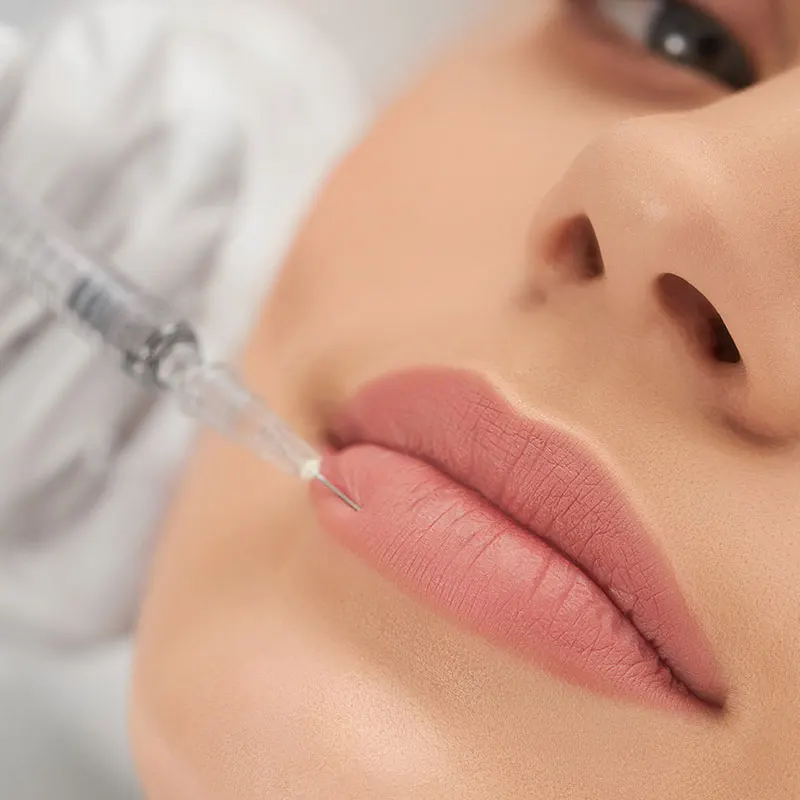
Hyaluronic Acid Fillers and Individualised Facial Treatment
Filler treatment is minimally invasive and is planned according to the anatomy, needs and preferences of each person. It may be performed for women and men throughout the year, following an individual medical assessment.
The aim is to address selected areas while maintaining balanced, natural-looking facial proportions.
The aim is to address selected areas while maintaining balanced, natural-looking facial proportions.
Before & After Results
View real patient cases related to this treatment.
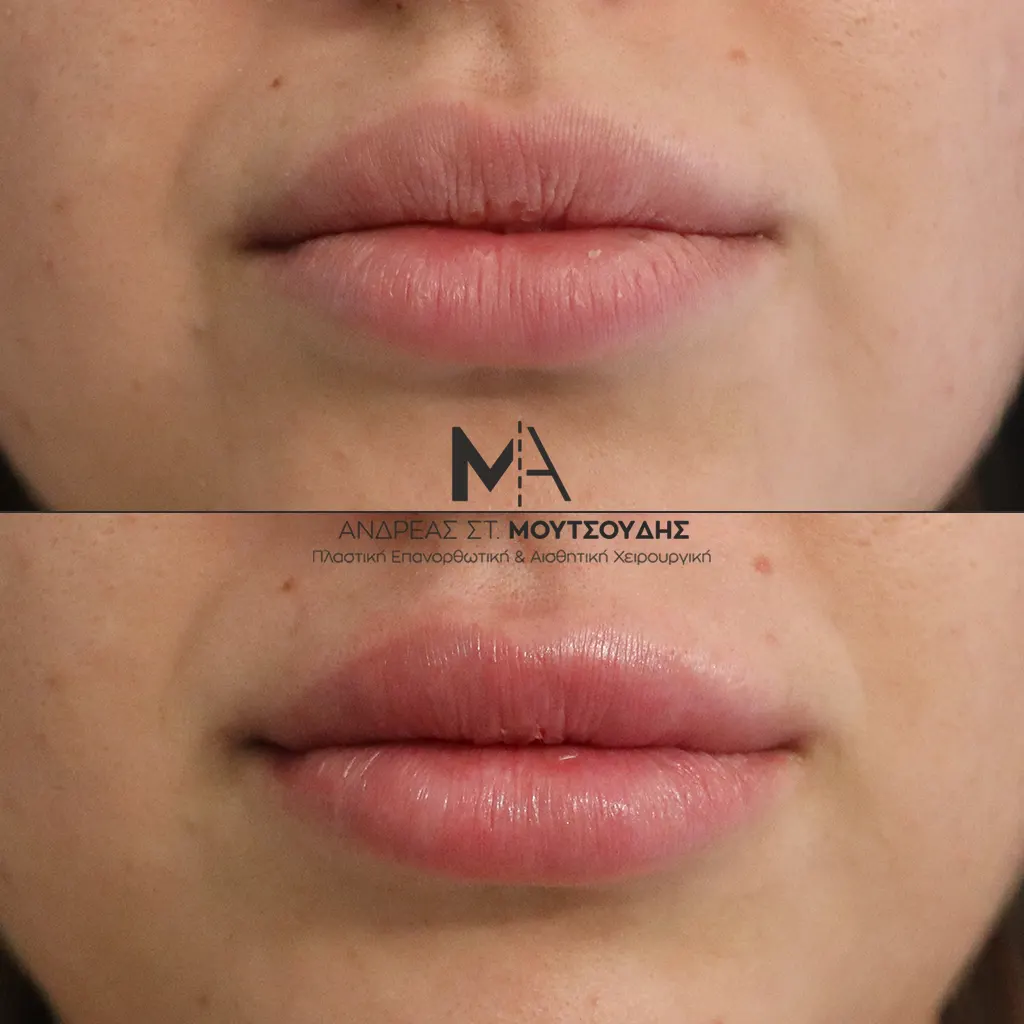 Hyaluronic Acid
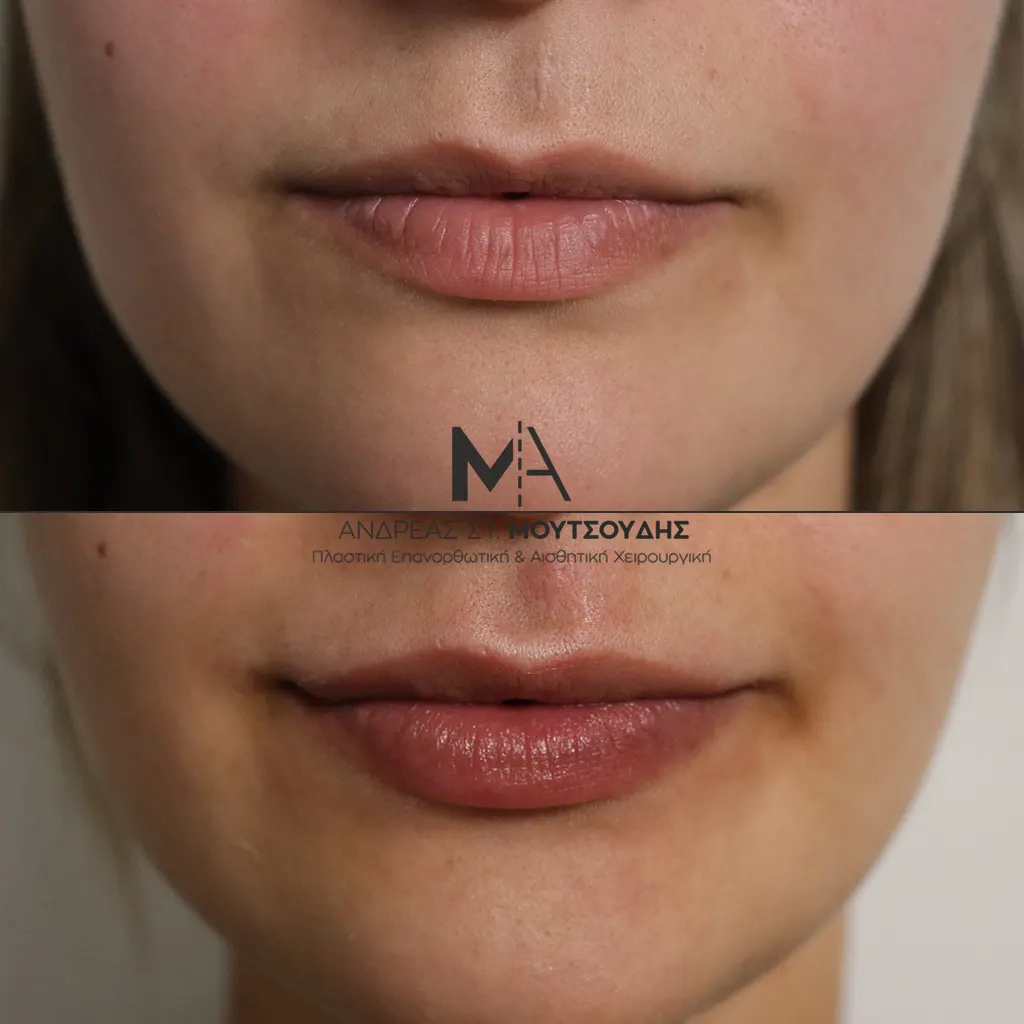 Hyaluronic Acid
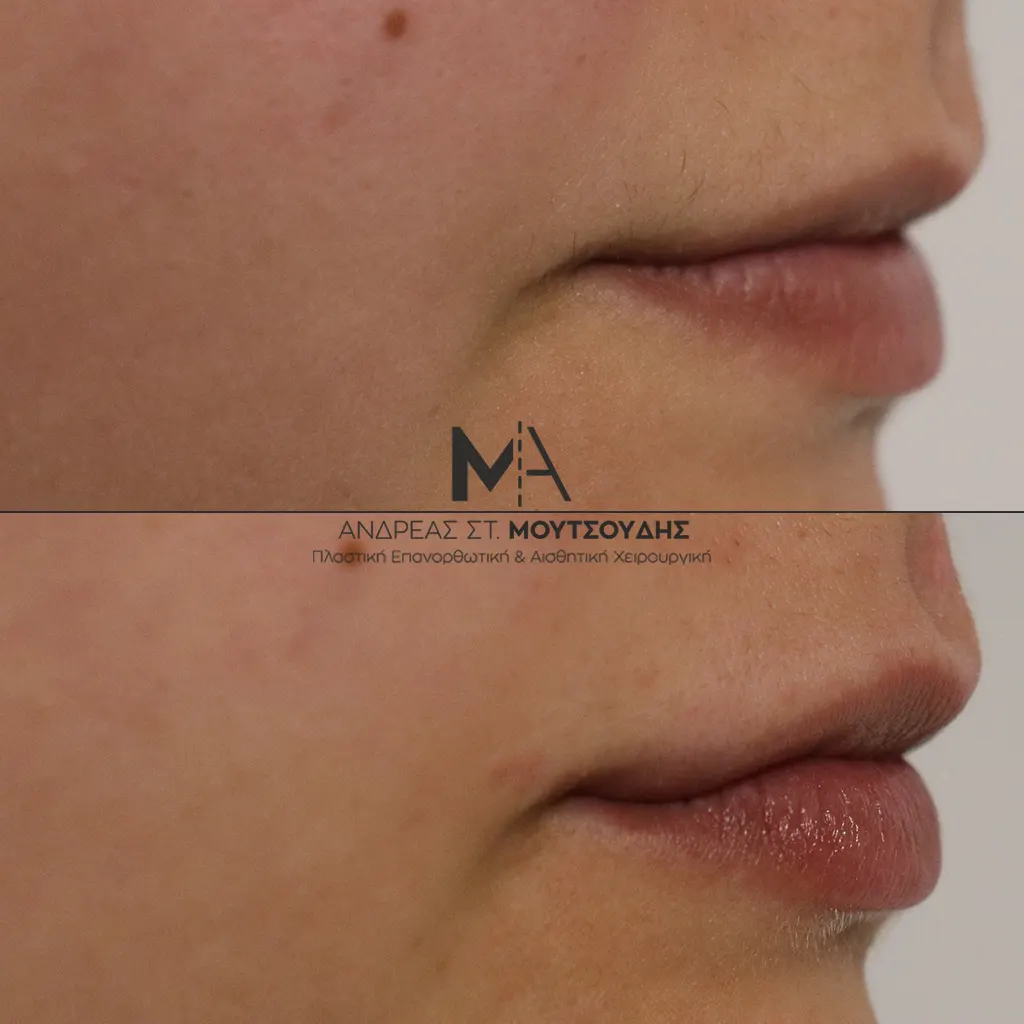 Hyaluronic Acid
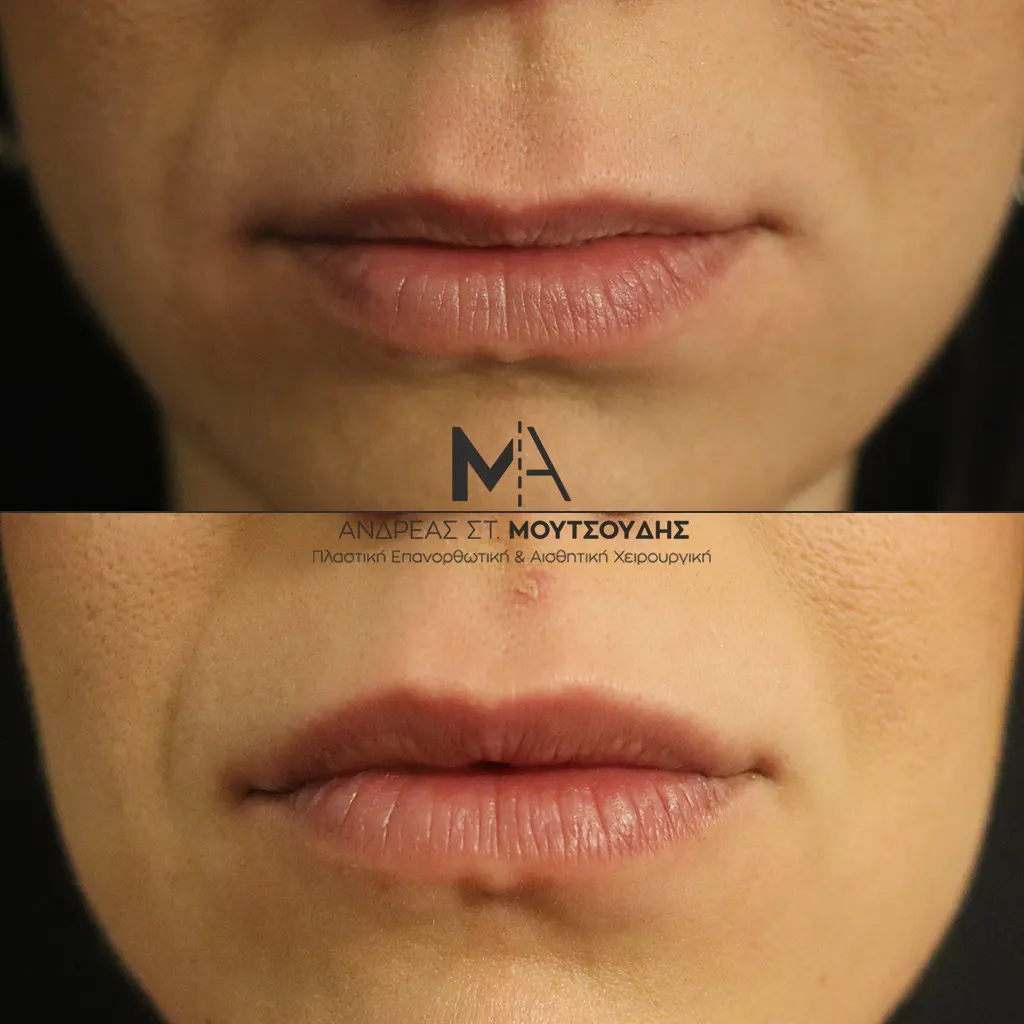 Hyaluronic Acid
What Is Poly-L-Lactic Acid (PLLA)?
PLLA is a material used in plastic surgery for selected applications on the face and body.
It acts progressively by stimulating the body’s collagen production. It may help support skin firmness and restore volume over time.
The material is administered with fine needles or a cannula. The source content describes the procedure as minimally traumatic, with results developing gradually over the following weeks.
You May Also Be Interested In
More information and useful content related to this treatment.
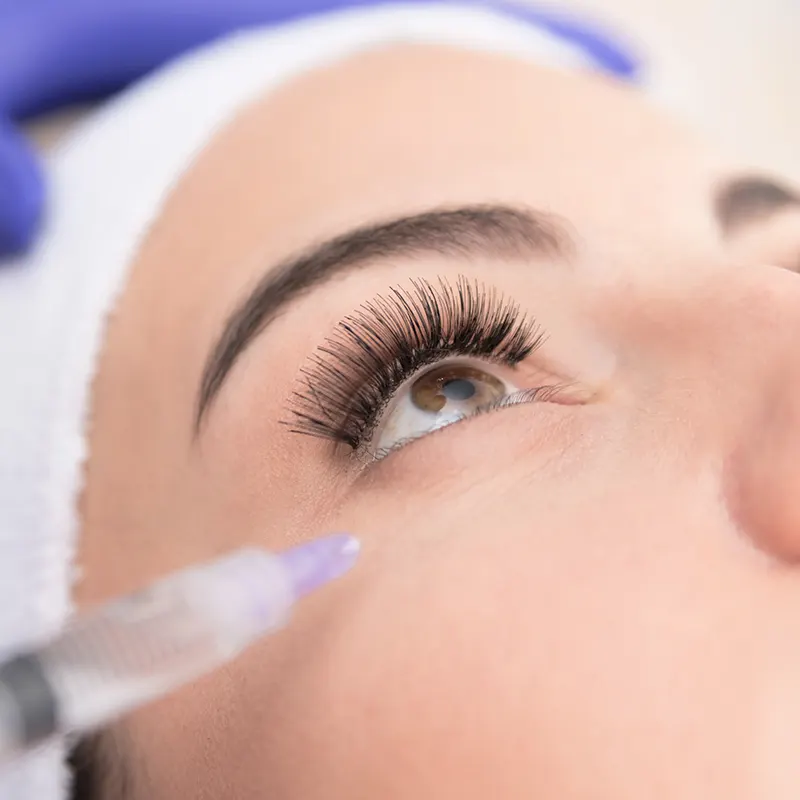
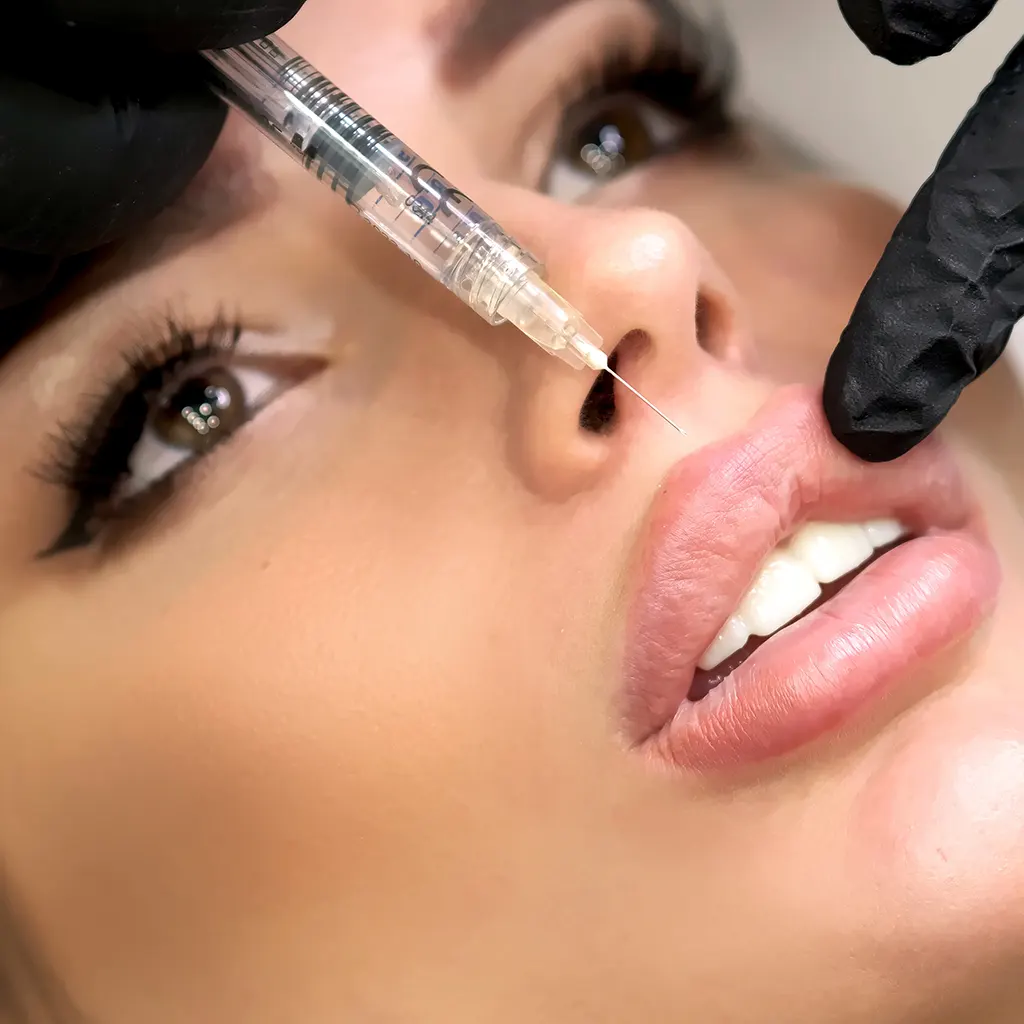 Hyaluronic Acid Fillers: Applications and Treatment PlanningHyaluronic acid fillers are used in different facial areas according to anatomical characteristics and individual treatment planning. Applications may include volume…Read article
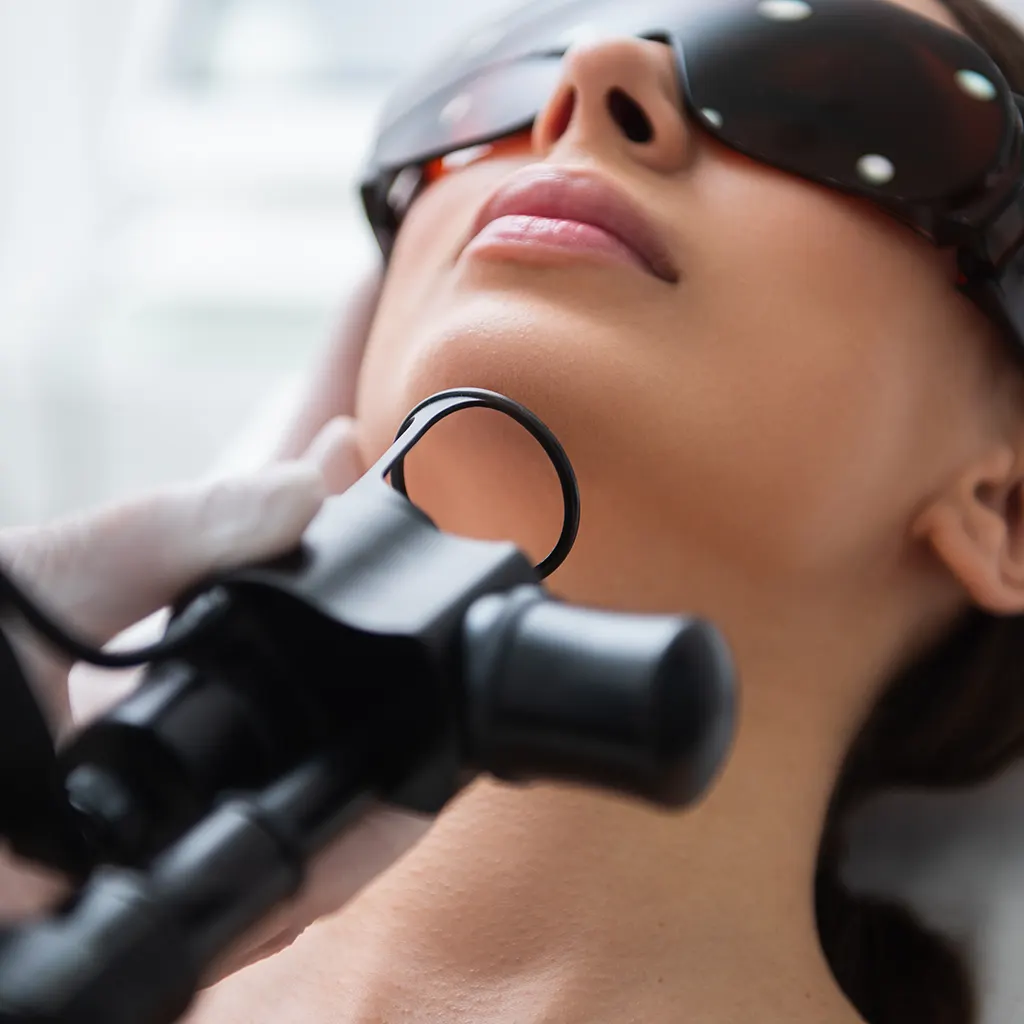 Fractional CO₂ Laser: Skin Resurfacing and RejuvenationThe Fractional CO₂ Laser, with a wavelength of 10,600 nm, creates microscopic zones of controlled thermal action in the skin. It may be used to improve texture, fine…Read article
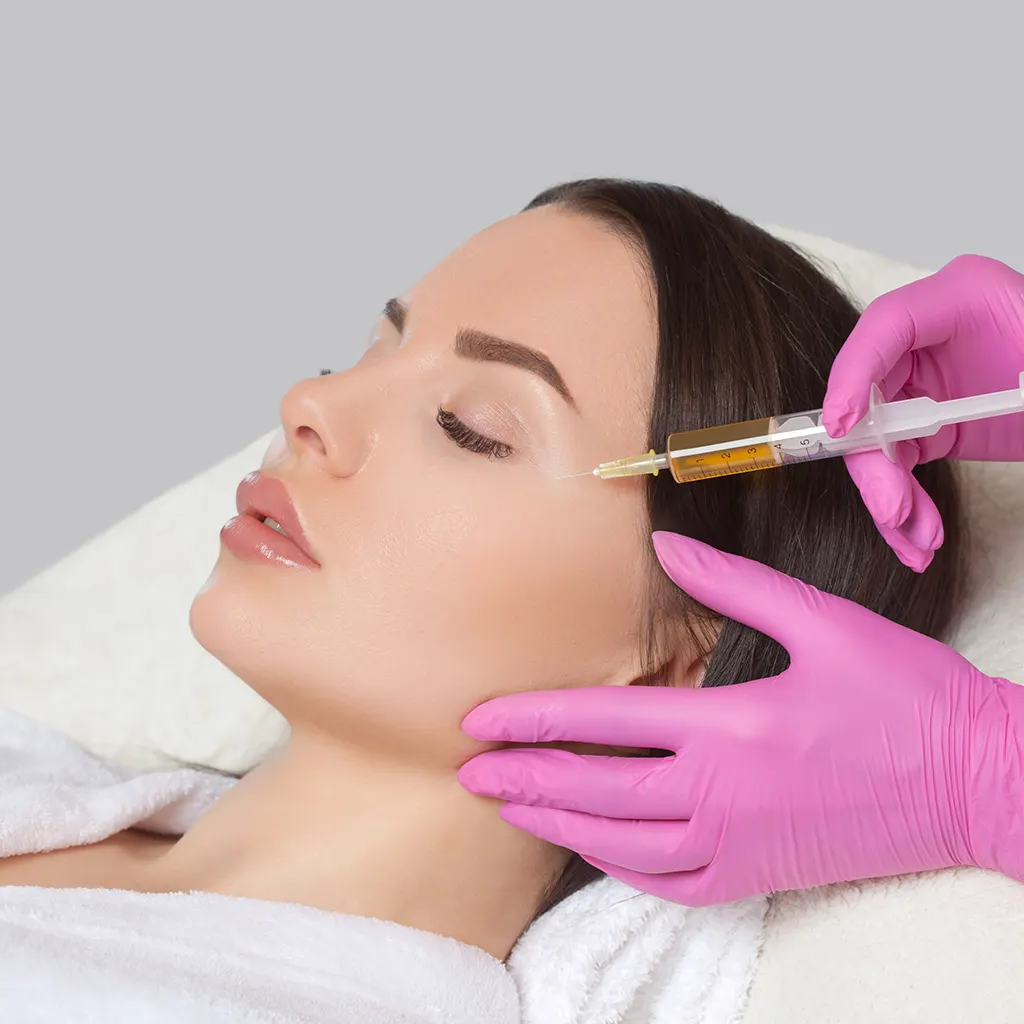 Facial Mesotherapy: Rejuvenation and Radiance for Healthy-Looking SkinFacial mesotherapy involves the application of selected ingredients, such as vitamins, amino acids, antioxidants and hyaluronic acid, to support hydration and improv…Read article
Patient Reviews
Patient experiences from our clinic and treatments.
 ΜΑΡΙΑ Τ...

★★★★★
A wonderful clinic with an excellent doctor and very knowledgeable staff. I highly recommend it.
 Natassa B...
★★★★★
Completely satisfied with the services I received, both aesthetic and medical. Dr. Moutsoudis was very kind, experienced and explanatory in everything I asked him. I highly recommend this clinic for all kinds of medical and aesthetic services.
 Lydia P...
★★★★★
A very beautiful and modern clinic. Dr. Moutsoudis is responsible, calm and straightforward; you feel confident placing yourself in his hands. The girls are always kind and pleasant.
Γιωτα Ζ...
★★★★★
An excellent doctor and outstanding professional who always recommends what is best for the patient!!! The premises are wonderful and, of course, all the girls are lovely!!!!
Poly-L-Lactic Acid (PLLA): Duration and Areas of Application
A follow-up assessment is usually performed after 12–15 weeks. If indicated, additional material may be used. The source content notes that the effect may last for up to two years.
Areas that may be treated include the cheekbones, nasolabial folds, facial oval, marionette lines, neck and décolletage.
Outside the face, PLLA may also be considered for the buttock area following an individual assessment.
PLLA is a biostimulatory material that supports fibroblast activity and collagen production. Treatment is planned according to the face or body area and the needs of each person.

Fat and Lipofilling
Fat is a natural component of the human body. As an autologous material—taken from the same person—it may be used to restore volume in selected areas of the face and body without introducing a different filler material.
For facial applications, fat may be used with PRP or stem-cell processing as described in the source content. The procedure involves harvesting the fat, processing it in a clinical setting and placing it in the planned areas using fine needles or cannulas.
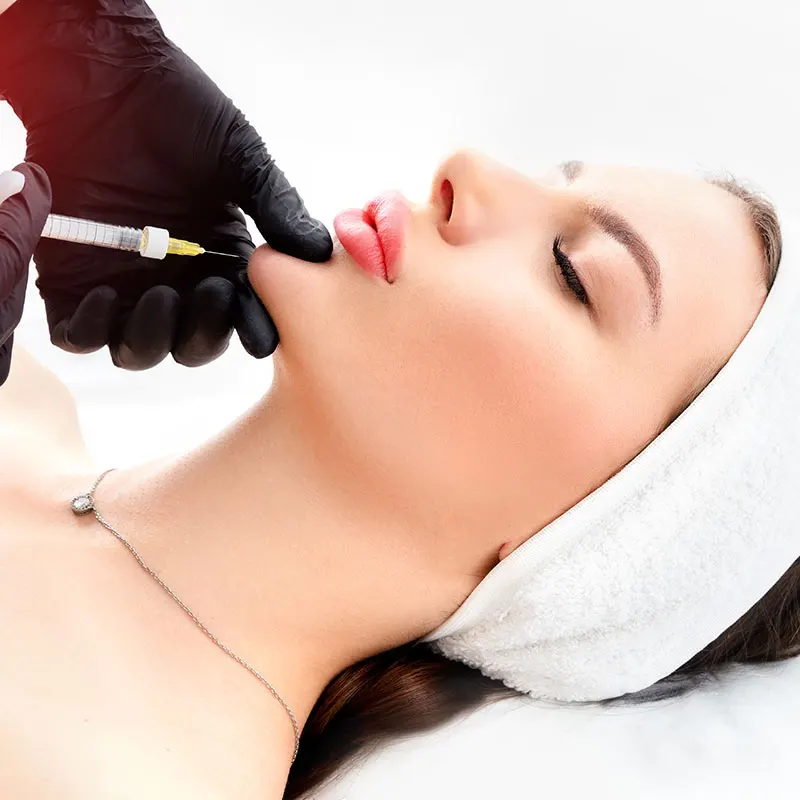
Areas may include the cheekbones, nasolabial folds, jawline, nose, tear trough and lips. Fat grafting may also be used in breast reconstruction after mastectomy and in selected buttock procedures.
Fat grafting may additionally be used in the reconstruction of scars or contour irregularities after burns or trauma where volume is lacking. The source content also refers to specialised processing techniques involving stem cells.

Autologous Fat, PRP and Stem Cells
Blood may be processed to obtain platelet-rich plasma and growth factors (PRP). When used alongside autologous fat, these materials form part of an individualised treatment or reconstruction plan.
Both the doctor and his associates have experience in the use of fat, PRP and stem-cell techniques in aesthetic and reconstructive plastic surgery.
The choice of technique and the expected course are discussed after assessment. The clinic team plans care according to each person’s anatomy and treatment needs.
Frequently Asked Questions
What is hyaluronic acid and why is it important for the skin?
Hyaluronic acid is a naturally occurring substance produced by the body. One of its functions is to retain moisture and support skin elasticity.
Which areas of the face may be treated with hyaluronic acid?
Treatment may be planned for areas including lines around the mouth, the lips, the cheekbones and the area beneath the eyes.
Is hyaluronic acid treatment safe?
Hyaluronic acid occurs naturally in the body. Mild local reactions, such as swelling, may occur and usually settle within a short period. Suitability and risks are assessed individually.
How long do the results last?
The source content describes a duration of approximately 8–12 months, depending on the area treated and the product used.
Is the application uncomfortable?
Anaesthetic products may be applied before injection to reduce discomfort during the procedure.
Are there side effects after treatment?
Temporary redness or swelling may occur at the treatment site. Individual risks and aftercare are discussed during the medical assessment.
At what age may hyaluronic acid treatment be considered?
There is no single age that applies to everyone. Treatment is considered according to individual needs, such as early lines or loss of volume.
What are the main applications of hyaluronic acid treatment?
Hyaluronic acid may be used to support hydration, soften selected lines and restore volume in areas where it has been lost.
Can hyaluronic acid be combined with other treatments?
It may be combined with other aesthetic treatments, such as Botox, when this is appropriate for the individual treatment plan.
How long does the treatment take?
The procedure usually takes approximately 10–15 minutes, depending on the area being treated.
Would you like to discuss which option is suitable for you?
The right indication and a personalised treatment plan are determined after medical assessment.