Blog • Medical Insights
Hyaluronic Acid Fillers: Applications and Treatment Planning
Hyaluronic acid fillers are used in different facial areas according to anatomical characteristics and individual treatment planning. Applications may include volume restoration, lip enhancement, wrinkle correction and facial-contour planning.

A Naturally Occurring and Biocompatible Material
Hyaluronic acid occurs naturally in the human body, particularly in the skin, joints and connective tissues. Its ability to bind water supports hydration and skin elasticity. The doctor selects the material and application technique according to the area and each person’s needs.
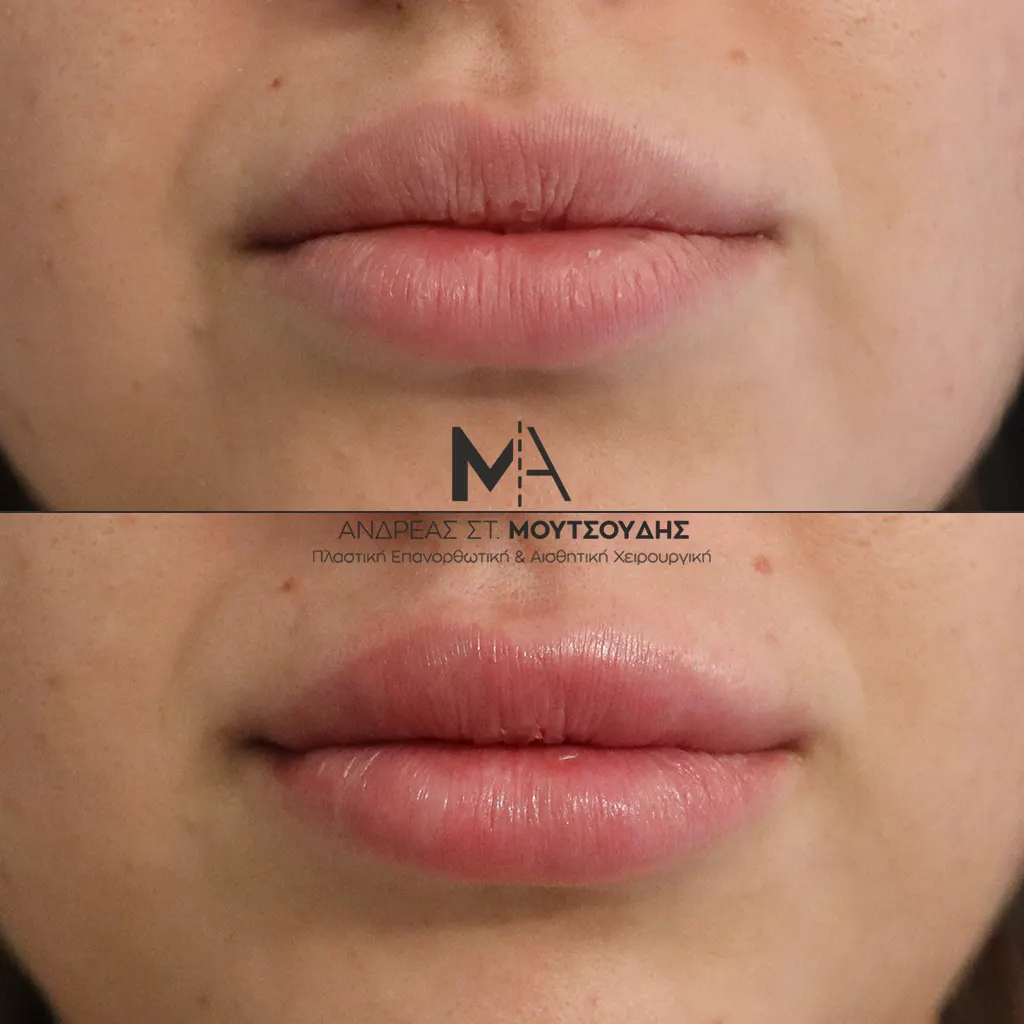
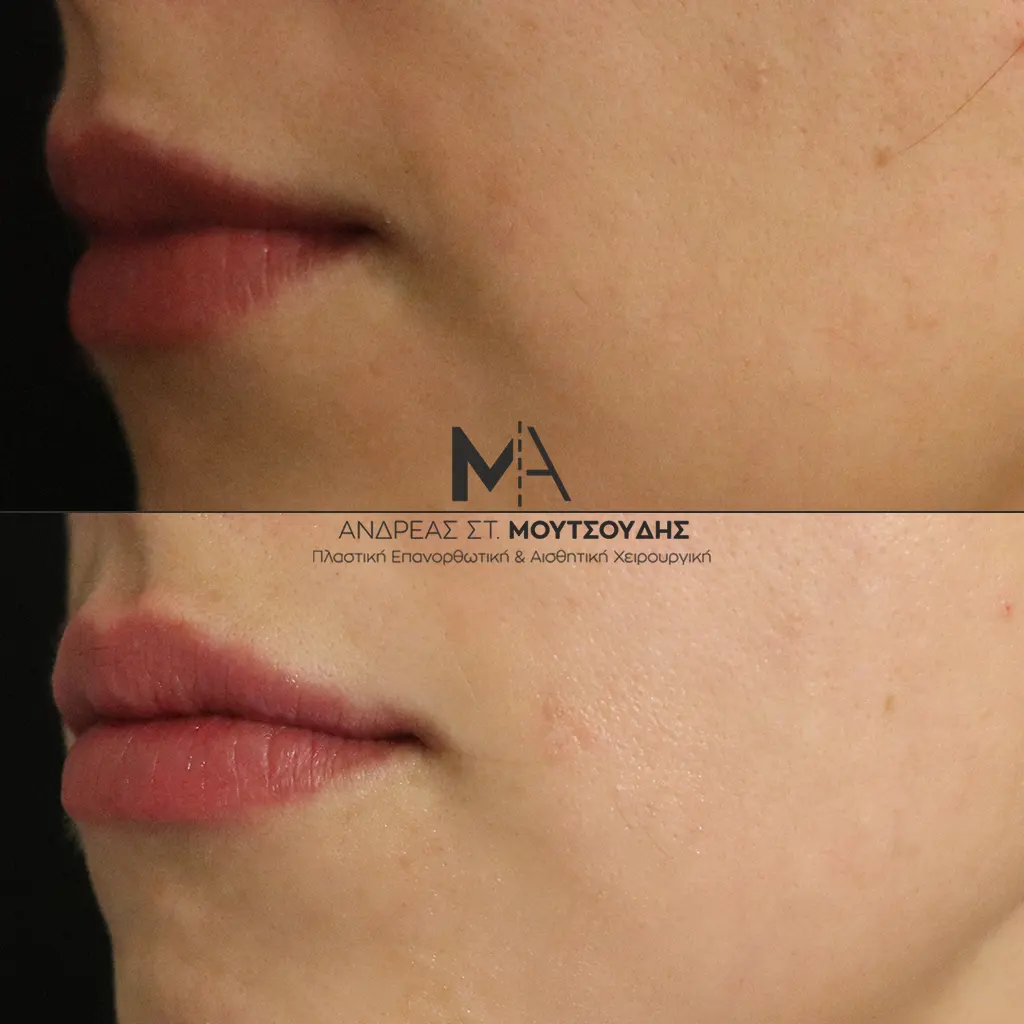
Progression and Assessment of Results
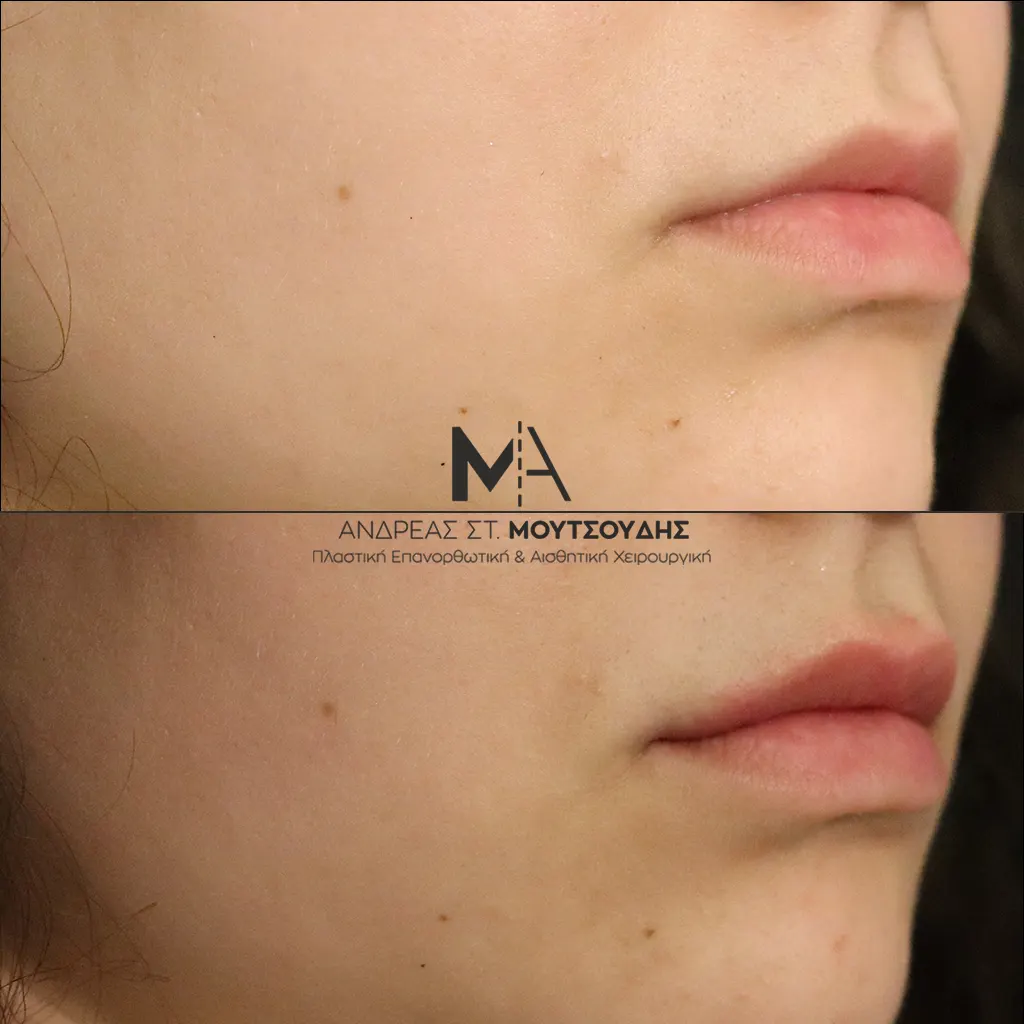
Appearance after treatment and the progression of results vary according to the area, material and each person’s response.
A Range of Applications
Hyaluronic acid fillers may be used in different facial areas according to individual needs:
- Wrinkles and fine lines: including nasolabial folds, perioral lines and lines around the eyes.
- Volume restoration: cheeks and cheekbones.
- Facial contour: planning may focus on symmetry and definition.
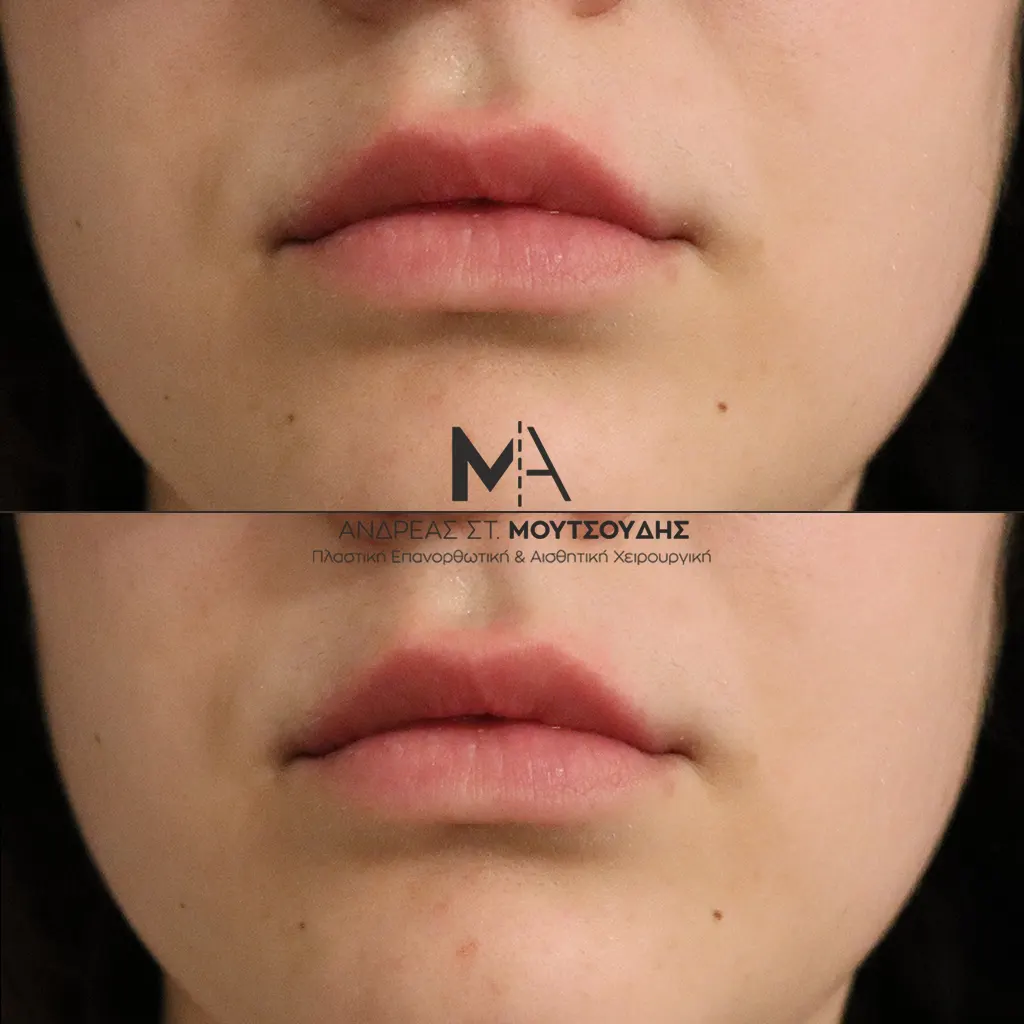
- Lips: volume and symmetry may be addressed.
- Acne scars: suitability depends on scar depth and size.
- Under-eye area: tear-trough applications require individual assessment.
- Nose: selected contour concerns may be addressed without surgery.
A Non-Surgical, Short Procedure
Application time depends on the area and treatment plan. Sensation and return time may vary from person to person.
Adjustable and Reversible Results
Duration and Maintenance
Hyaluronic acid is gradually absorbed by the body. Results may last approximately 9–15 months, depending on the area, material and individual metabolism. Maintenance is assessed individually.
Suitability and Possible Reactions
The suitability of hyaluronic acid fillers and possible reactions are assessed by the doctor. Temporary reactions such as mild irritation or swelling may occur, and their progression varies from person to person.
Individual Material Selection
Hyaluronic acid fillers are used in different facial areas according to individual needs and anatomical characteristics. The material, amount and application technique are selected after medical assessment.
Which Factors Guide Filler Selection?
The selection of hyaluronic acid fillers is based on several factors. Appropriate planning considers the material, treatment area, required amount and anatomical characteristics.
1. Hyaluronic Acid Type and Characteristics
Hyaluronic acid products vary in:
- Concentration and density: thicker products may be used for volume, while less dense products may be selected for hydration.
- Origin and production technology: products include brands such as Juvederm and Restylane.
- Duration: approximately 6–18 months depending on product composition.
Material selection is based on its characteristics, treatment area and the intended treatment plan.
2. Treatment Area
Filler selection and application technique vary by facial area. For example:
- Lip treatment is planned differently from treatment of the cheekbones or nasolabial folds.
- Applications involving multiple areas require an overall individual plan.
3. Amount of Material Used
Most fillers are supplied in 1 ml syringes, but the required amount depends on:
- Natural facial structure.
- The intended treatment plan.
- The extent of wrinkles or volume loss being addressed.
The amount is determined individually after assessment of the area and each person’s needs.
4. The Doctor’s Experience
The doctor’s experience and training are important in treatment planning. A plastic surgeon or dermatologist assesses the area, selects the material and organises follow-up. Results, suitability and recovery vary according to the area, material and individual response.
Useful information
Frequently asked questions
How long do hyaluronic acid filler results last?
Results last approximately 9–15 months on average, depending on the treatment area, material and individual metabolism.
How is the suitability of hyaluronic acid fillers assessed?
Hyaluronic acid occurs naturally in the body and is gradually absorbed. Suitability, possible reactions and material selection are assessed by the doctor.
What is the difference between less dense and thicker fillers?
Less dense fillers are mainly used for hydration and fine lines, while thicker fillers may be selected for volume and support in areas such as the cheekbones, chin or lips.
Can hyaluronic acid filler be dissolved?
Hyaluronic acid filler may be dissolved with hyaluronidase when clinically appropriate. The doctor assesses the area and the required approach.
How is the appropriate hyaluronic acid filler selected?
Selection depends on material characteristics, required amount, treatment area and individual anatomy. The plan is determined after medical assessment.
Which facial areas may be treated with fillers?
Fillers may be used in the lips, cheekbones, nasolabial folds, under-eye area, chin and facial contour, as well as for selected nose or acne-scar concerns.
Would you like to discuss which option is suitable for you?
The right indication and a personalised treatment plan are determined after medical assessment.