Reconstructive Plastic Surgery
Burn Injuries: Assessment, Treatment and Reconstruction
A burn is an injury to the skin or underlying tissue caused by heat, electricity, chemicals, friction or radiation. Assessment and treatment depend on its depth, extent and location.
Burn Depth and Immediate First Aid
Burns affecting only the epidermis are described as superficial or first-degree burns. When damage extends into underlying skin layers, the injury is described as a partial-thickness or second-degree burn.
It is estimated that many burn injuries may be preventable. The treatment required depends on the severity of the burn. Early cooling, within 30 minutes of the injury, may reduce burn depth and pain, but excessive cooling must be avoided because it can cause hypothermia.
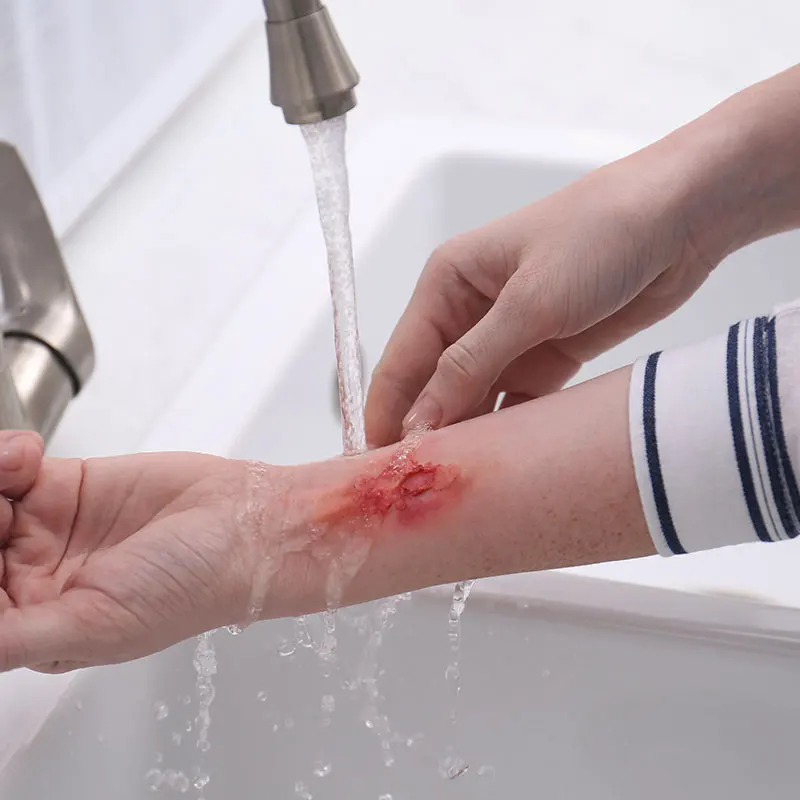
Cooling should use cool water at 10°–25°C rather than ice-cold water, which may cause further injury. Rings and other tight objects should be removed gently before swelling develops. Small blisters should not be deliberately broken.
If a blister breaks, the area should be cleaned gently with mild soap and water, treated according to medical advice and covered with a non-adherent dressing.
It is estimated that many burn injuries may be preventable. The treatment required depends on the severity of the burn. Early cooling, within 30 minutes of the injury, may reduce burn depth and pain, but excessive cooling must be avoided because it can cause hypothermia.
Cooling should use cool water at 10°–25°C rather than ice-cold water, which may cause further injury. Rings and other tight objects should be removed gently before swelling develops. Small blisters should not be deliberately broken.
If a blister breaks, the area should be cleaned gently with mild soap and water, treated according to medical advice and covered with a non-adherent dressing.
Burn Treatment and Reconstruction
Initial management of burns, particularly second-degree burns and deeper injuries, should be assessed by appropriately trained healthcare professionals to reduce the risk of later complications.
When post-burn problems occur, reconstructive treatment may address appearance and impaired function according to the nature of the injury.
Serious burns and burns involving children require prompt medical assessment.
When post-burn problems occur, reconstructive treatment may address appearance and impaired function according to the nature of the injury.
Serious burns and burns involving children require prompt medical assessment.
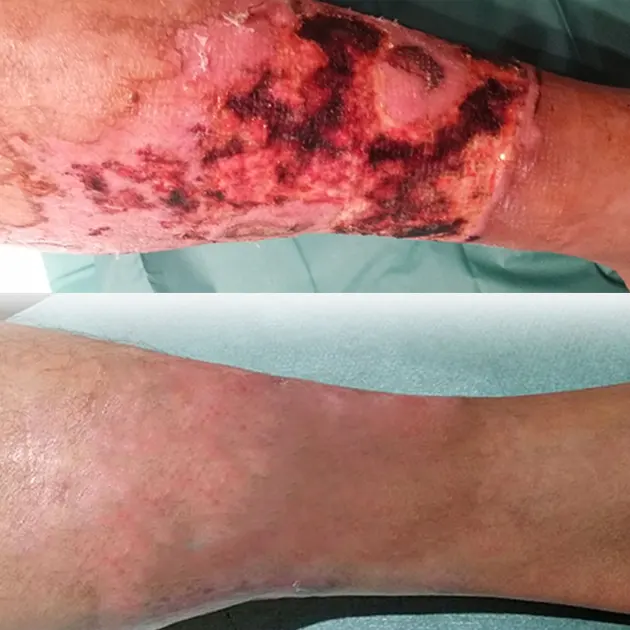
Patient Case: Second-Degree Burn
Physician: Dr Andreas Moutsoudis – Plastic Surgeon
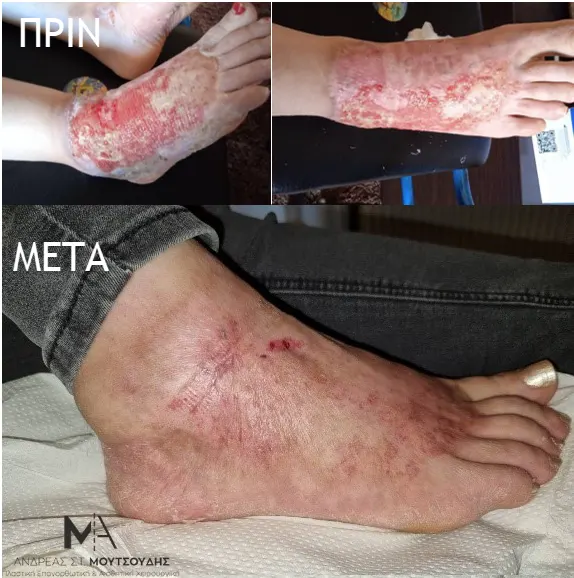
A 51-year-old man presented with a second-degree burn involving 7% of the total body surface area on the right lower limb, caused by hot oil and water. Surgical debridement and removal of necrotic tissue were performed. This was followed by regular foot baths and dressing changes every second day using Hyperoil and Hyperoil-impregnated gauze. The patient was otherwise healthy and was a smoker.
Complete wound healing was recorded after four months.
A 51-year-old man presented with a second-degree burn involving 7% of the total body surface area on the right lower limb, caused by hot oil and water. Surgical debridement and removal of necrotic tissue were performed. This was followed by regular foot baths and dressing changes every second day using Hyperoil and Hyperoil-impregnated gauze. The patient was otherwise healthy and was a smoker.
Complete wound healing was recorded after four months.
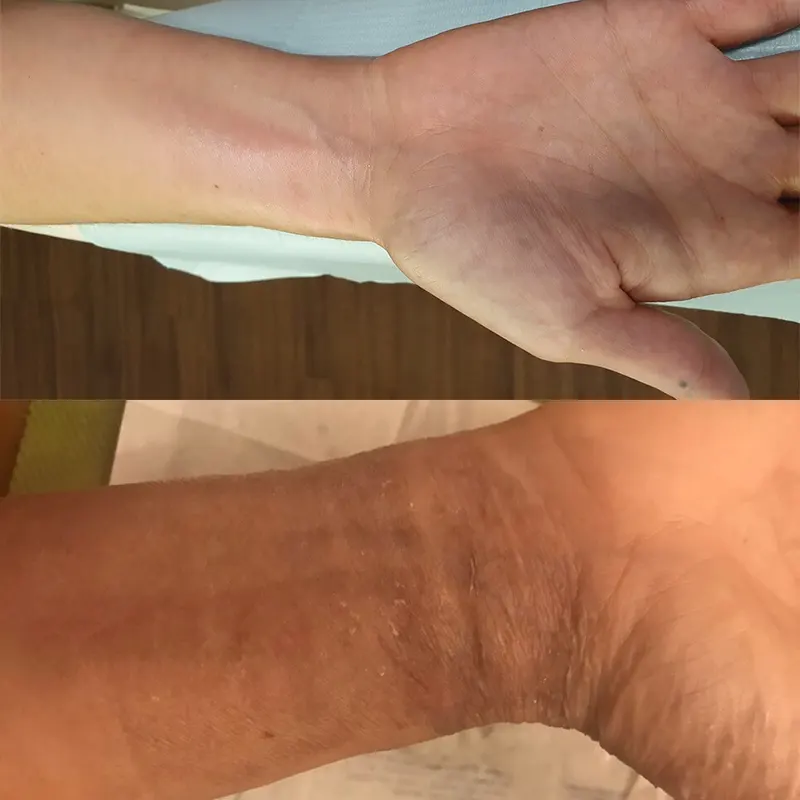
Skin Repair After a First- and Partial Second-Degree Hand Burn
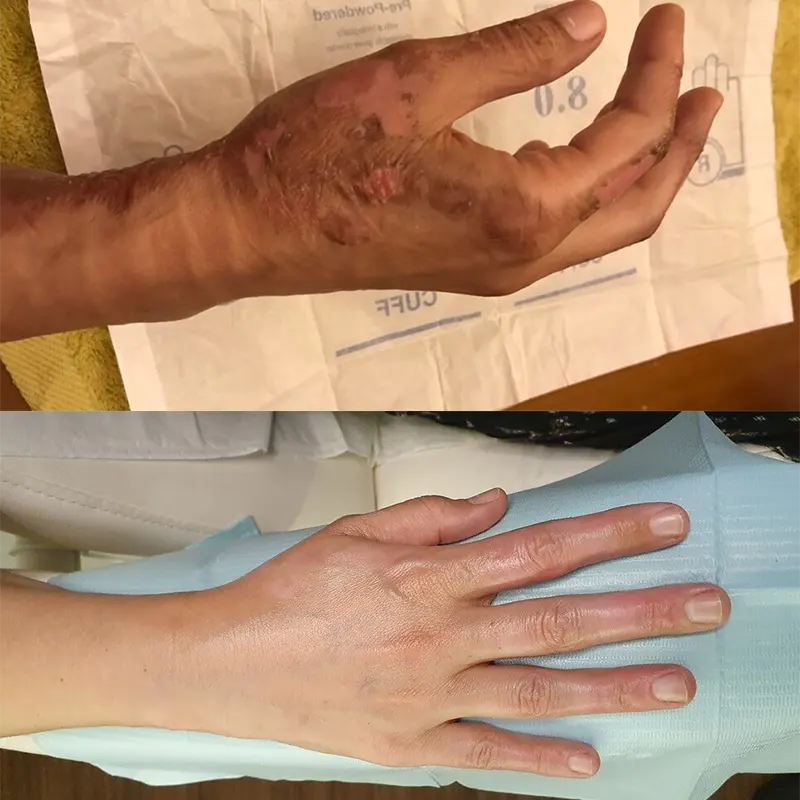
A first- and partial second-degree burn followed an indoor propane-cylinder explosion. Surgical debridement and dressing changes every second day were carried out for three weeks. Healing progressed satisfactorily, with functional and aesthetic outcomes assessed in this individual case.
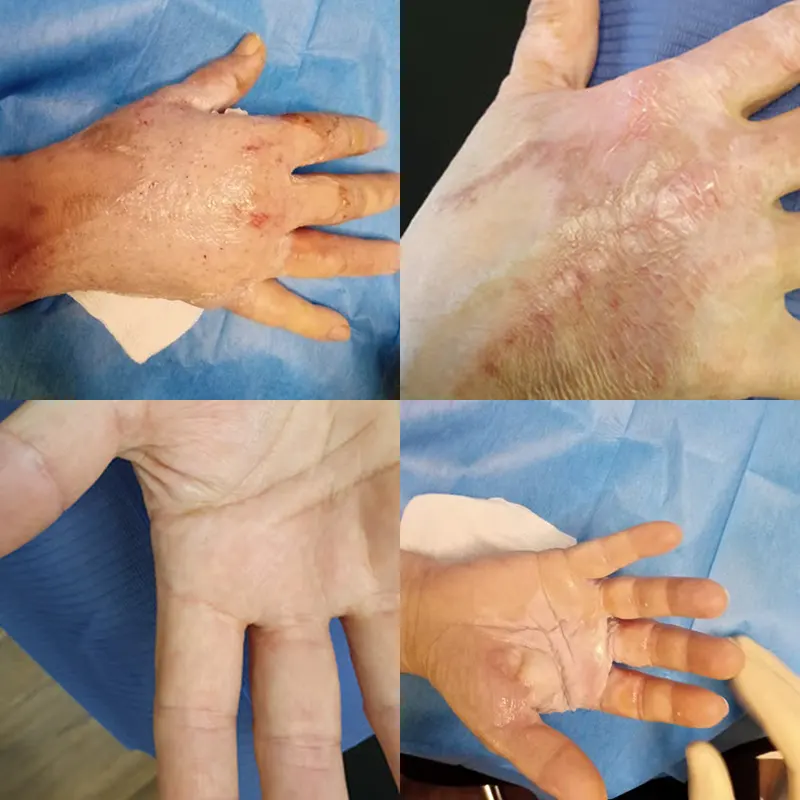
Thermal Burn of the Right Hand
A second-degree burn caused by hot oil and water was managed conservatively with regular dressing changes, followed by an intensive physiotherapy programme.
At three months, healing was considered satisfactory and follow-up continued to support further improvement in the appearance of the hand.
In this case, function returned without contracture scars interfering with daily activities.
At three months, healing was considered satisfactory and follow-up continued to support further improvement in the appearance of the hand.
In this case, function returned without contracture scars interfering with daily activities.
Frequently Asked Questions
What is a burn?
A burn is an injury to the skin or underlying tissue caused by heat, electricity, chemicals, friction or radiation. Burns are classified by depth as superficial, partial-thickness or deep injuries.
Why is early cooling important after a burn?
Cooling within 30 minutes may reduce burn depth and pain. Cool, rather than ice-cold, water at 10°–25°C is used for 10–20 minutes while avoiding excessive cooling and hypothermia.
What immediate steps should be taken after a burn?
Remove tight objects such as rings before swelling develops and do not deliberately break blisters. If a blister opens, clean the area gently, follow medical advice for topical treatment and cover it with a non-adherent sterile dressing.
When should a burn be assessed by a doctor?
Medical assessment is required for second-degree and deeper burns, extensive burns, burns involving the face, hands, feet or genital area, signs of infection, or injuries that do not improve over the following days.
What may conservative burn treatment involve?
Depending on burn depth and location, care may include wound cleaning, regular dressing changes, selected wound-care products and specialist follow-up.
How can burn complications be limited?
Appropriate early treatment and follow-up may reduce the risk of infection, problematic scarring and loss of function. Surgical debridement and physiotherapy may be required in more serious cases.
Can appearance and function be addressed after a serious burn?
Reconstructive treatment and rehabilitation may improve function and the appearance of burn scars. The outcome depends on the depth, extent and location of the injury and the individual course of healing.
Should burn blisters be broken?
No. Blisters protect the injured area. If one opens spontaneously, the area should be cleaned gently, treated according to medical advice and covered with a sterile non-adherent dressing.
Which products may be used in burn care?
The products used depend on the individual wound and may include selected dressings, topical preparations and antiseptic materials under medical guidance.
How long does a second-degree burn take to heal?
Healing time varies according to burn depth, extent and location. In one documented case, complete healing was recorded after three to four months with regular wound care.
Would you like to discuss which option is suitable for you?
The right indication and a personalised treatment plan are determined after medical assessment.