Treatment for Men
Liposuction for Men
Aesthetic approaches to body contouring have evolved over time in response to changing needs and expectations. Localised fat may persist despite diet and exercise, and its management requires an individual assessment. Body image can influence a person’s confidence and everyday life.
Liposuction for Localised Fat in Men
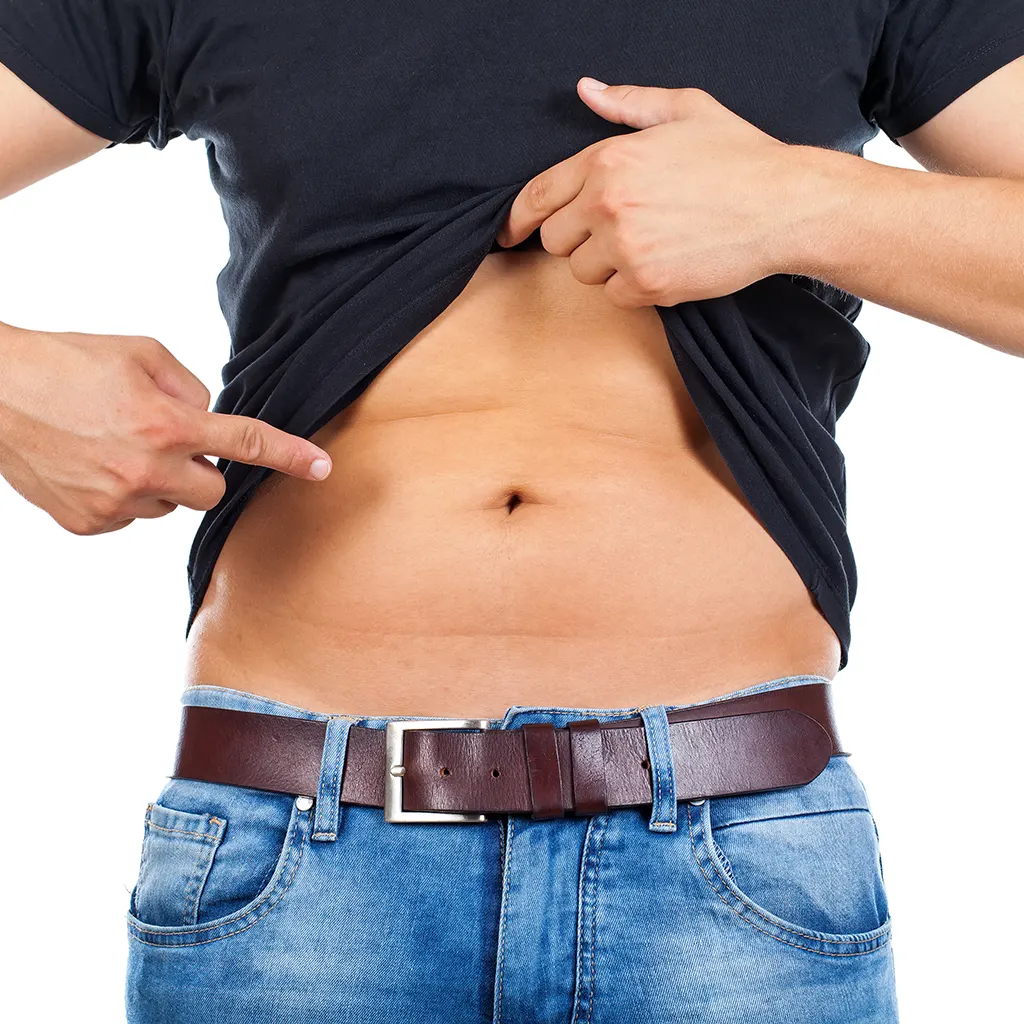
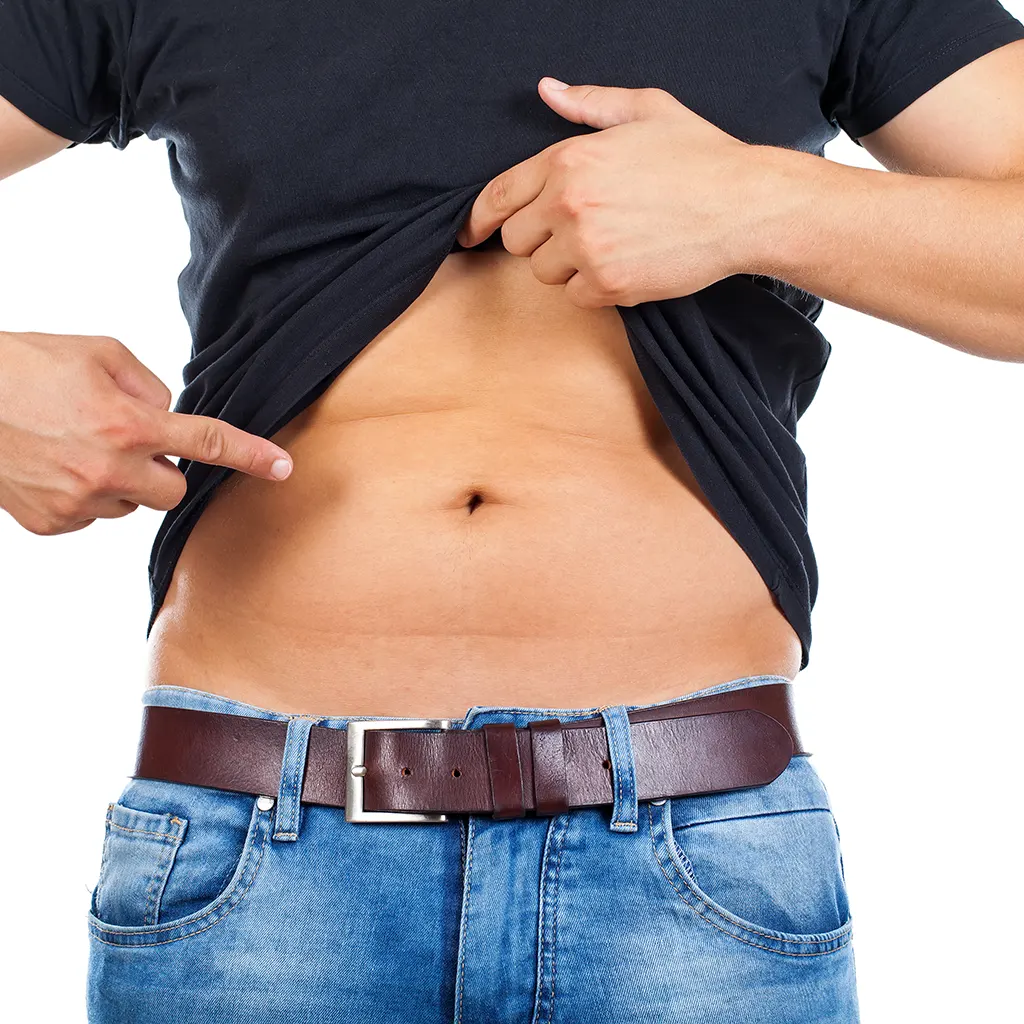
Body image can influence confidence and everyday life. A prominent abdomen or fullness around the hips may be a source of concern for some men.
Localised fat in men may persist despite changes to diet or exercise. It may occur on the thighs, hips, abdomen, waist, knees or other areas. Non-surgical methods have different indications, and the appropriate approach is selected after an individual assessment.
Liposuction is a surgical option for removing localised fat and reshaping body contours. Liposculpture, or liposuction, has been used for this purpose since the 1970s.
Localised fat in men may persist despite changes to diet or exercise. It may occur on the thighs, hips, abdomen, waist, knees or other areas. Non-surgical methods have different indications, and the appropriate approach is selected after an individual assessment.
Liposuction is a surgical option for removing localised fat and reshaping body contours. Liposculpture, or liposuction, has been used for this purpose since the 1970s.
Applied in Greece for Approximately 20 Years
The method has evolved over time. When the appropriate requirements are met, it may be performed in an organised medical setting. A specialised local-anaesthesia technique has been used since 1987, with the surgical technique and type of anaesthesia selected according to the area being treated and the needs of each person.
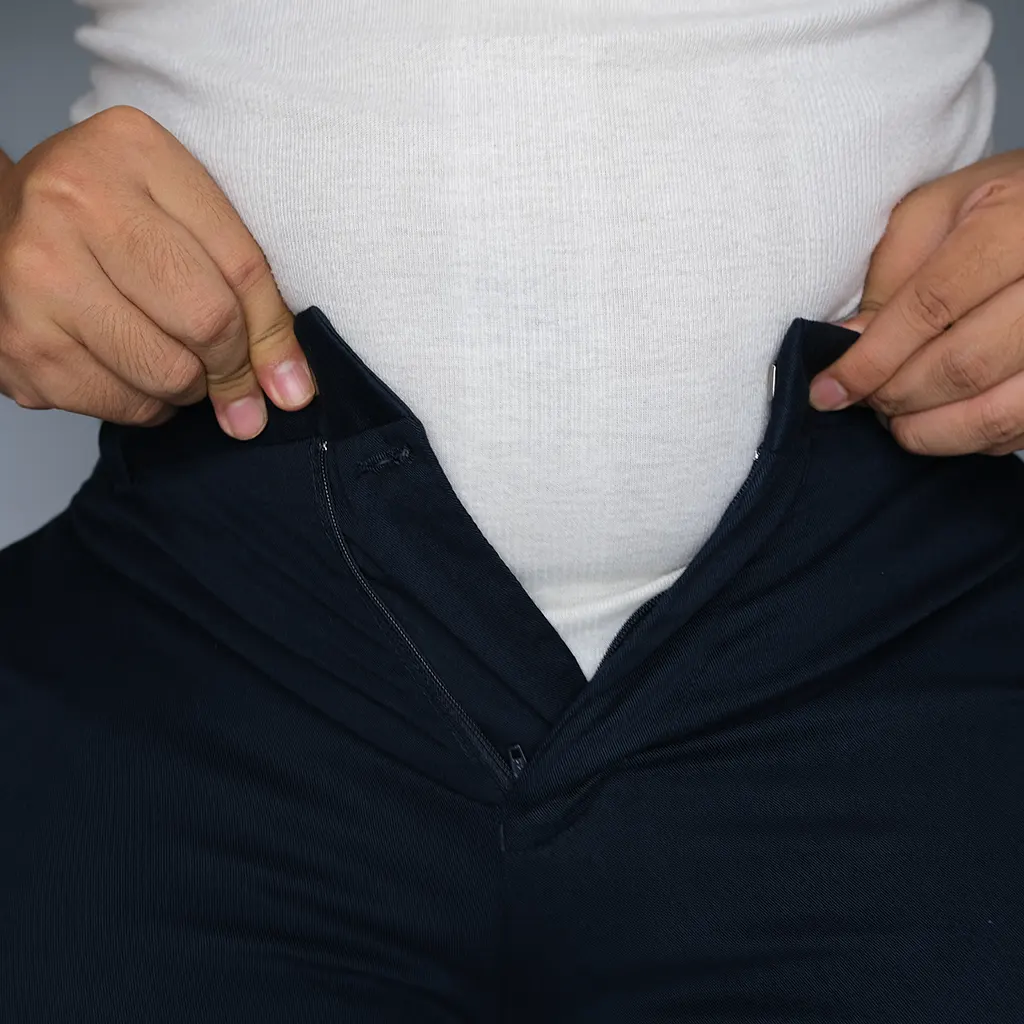
The way the skin responds after fat removal depends on its elasticity, the treatment area and individual characteristics. The surgical technique is selected with the aim of creating a smooth body contour. Mobilisation and return to work depend on the extent of surgery and the individual recovery course. Many patients return to work within 1–2 days.
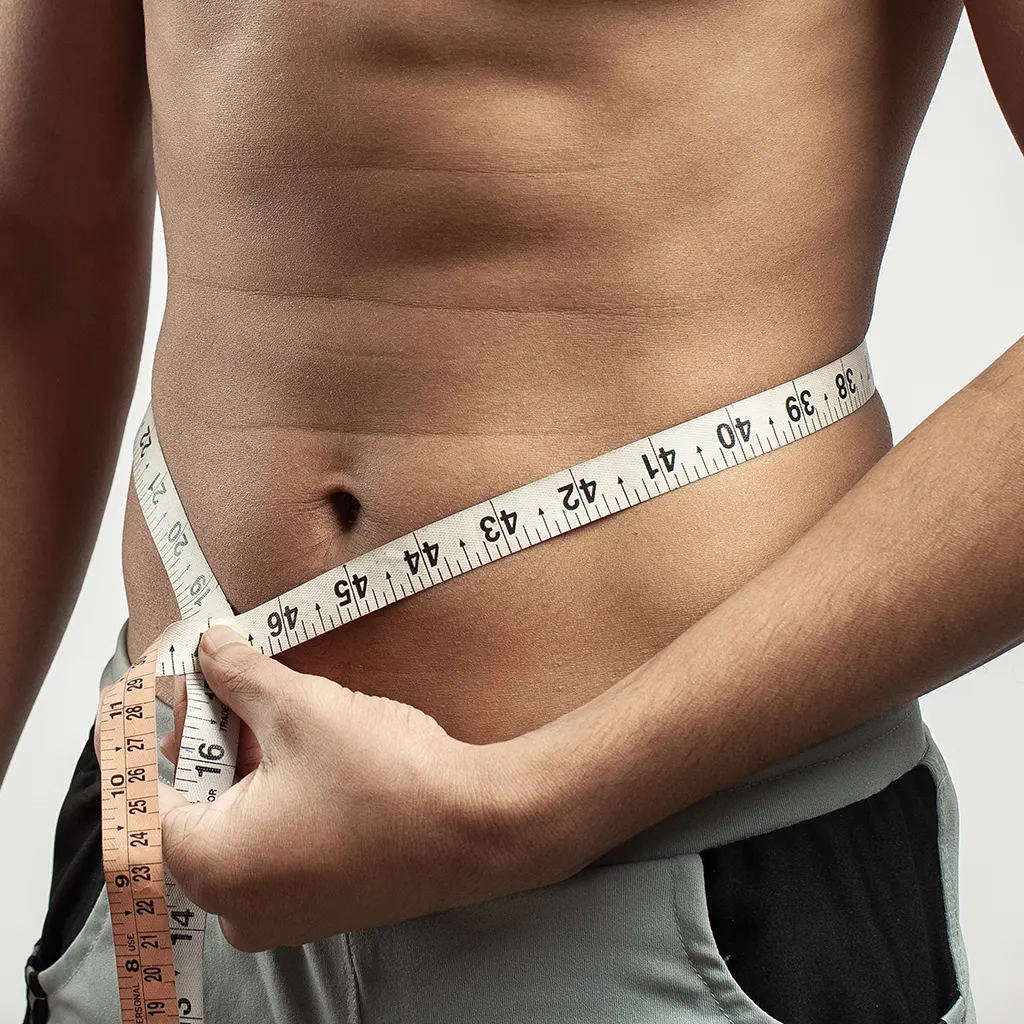
Fat cells that are removed do not return, but the remaining cells can increase in size. Long-term maintenance of the result is associated with maintaining a stable weight.
The way the skin responds after fat removal depends on its elasticity, the treatment area and individual characteristics. The surgical technique is selected with the aim of creating a smooth body contour. Mobilisation and return to work depend on the extent of surgery and the individual recovery course. Many patients return to work within 1–2 days.
Fat cells that are removed do not return, but the remaining cells can increase in size. Long-term maintenance of the result is associated with maintaining a stable weight.
Patient Reviews
Patient experiences from our clinic and treatments.
 Chris M...

★★★★★
There is a reason why this is one of the best clinics in the city... The team is amazing, and they are all professional, extremely helpful and kind. Maria is truly a star, 100%.
 Anastasios K...
★★★★★
Excellent service and professionalism. The doctor is very friendly, the staff are very kind, and the reception team in particular is the best!
 Pavlos S...
★★★★★
Perfect results in less time. Very kind and highly regarded staff, with prompt appointment service.
 Mr S...
★★★★★
A true professional. Well done to the entire team.
You May Also Be Interested In
More information and useful content related to this treatment.
 Read article
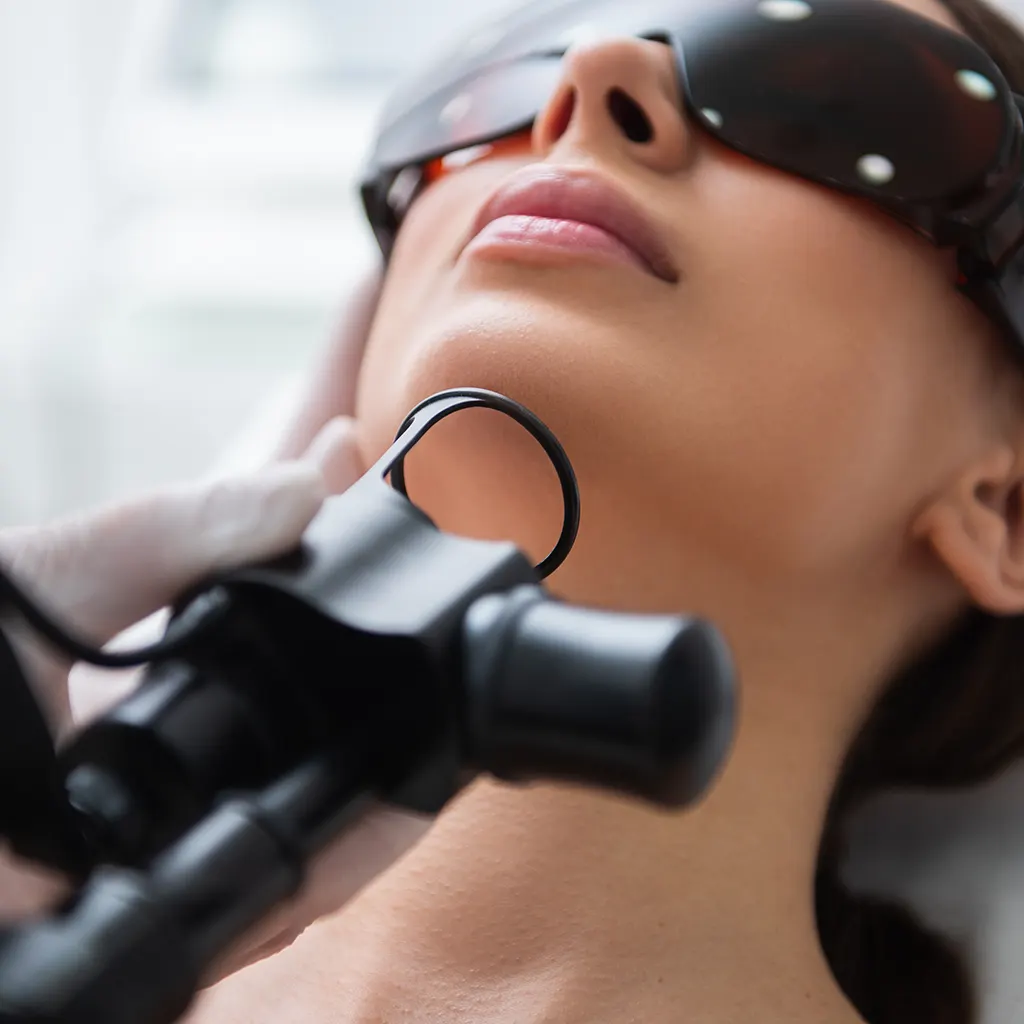 Fractional CO₂ Laser: Skin Resurfacing and RejuvenationThe Fractional CO₂ Laser, with a wavelength of 10,600 nm, creates microscopic zones of controlled thermal action in the skin. It may be used to improve texture, fine…Read article
 GENTLO RF Microneedling for Acne ScarsAcne scars are a common aesthetic concern and may affect skin texture and appearance. Selecting the most appropriate approach depends on scar type and depth, skin ch…Read article
Frequently Asked Questions
What does liposuction for men involve?
It removes localised fat that persists despite diet or exercise and reshapes areas such as the abdomen, flanks, chest and neck. It is not a weight-loss procedure.
Who may be a suitable candidate?
A suitable candidate may be a healthy man with a stable weight close to his target weight and adequate skin elasticity. Suitability is assessed individually.
Is the procedure painful?
Liposuction is performed under local or general anaesthesia. Postoperative discomfort and tenderness vary between individuals and can be managed with the pain relief recommended by the doctor.
How long is the recovery period?
Many men return to work within 1–2 days. Very strenuous exercise should generally be avoided for 2–4 weeks.
Does the removed fat return?
The fat cells that are removed do not return, but the remaining cells can increase in size. Maintaining a stable weight supports the long-term result.
How much weight loss should I expect?
Weight loss is usually limited, commonly around 1–5 kg, because the main aim is body contouring rather than substantial weight reduction.
Which areas can be treated?
Common treatment areas in men include the abdomen, flanks, chest in cases involving gynaecomastia, back, upper arms and neck or under-chin area.
What type of anaesthesia is used?
A tumescent local-anaesthesia technique is often used. The type of anaesthesia is selected according to the treatment area, the extent of surgery and the individual assessment.
How can I maintain the result?
A balanced diet, regular exercise and stable weight help maintain the result, as subsequent weight fluctuations can alter body contours.
Where is the procedure performed?
The procedure is planned after an individual medical assessment and is performed in an appropriately organised clinical setting in Thessaloniki.
Would you like to discuss which option is suitable for you?
The right indication and a personalised treatment plan are determined after medical assessment.