Aesthetic Plastic Surgery
Rhinoplasty (Nose Surgery)
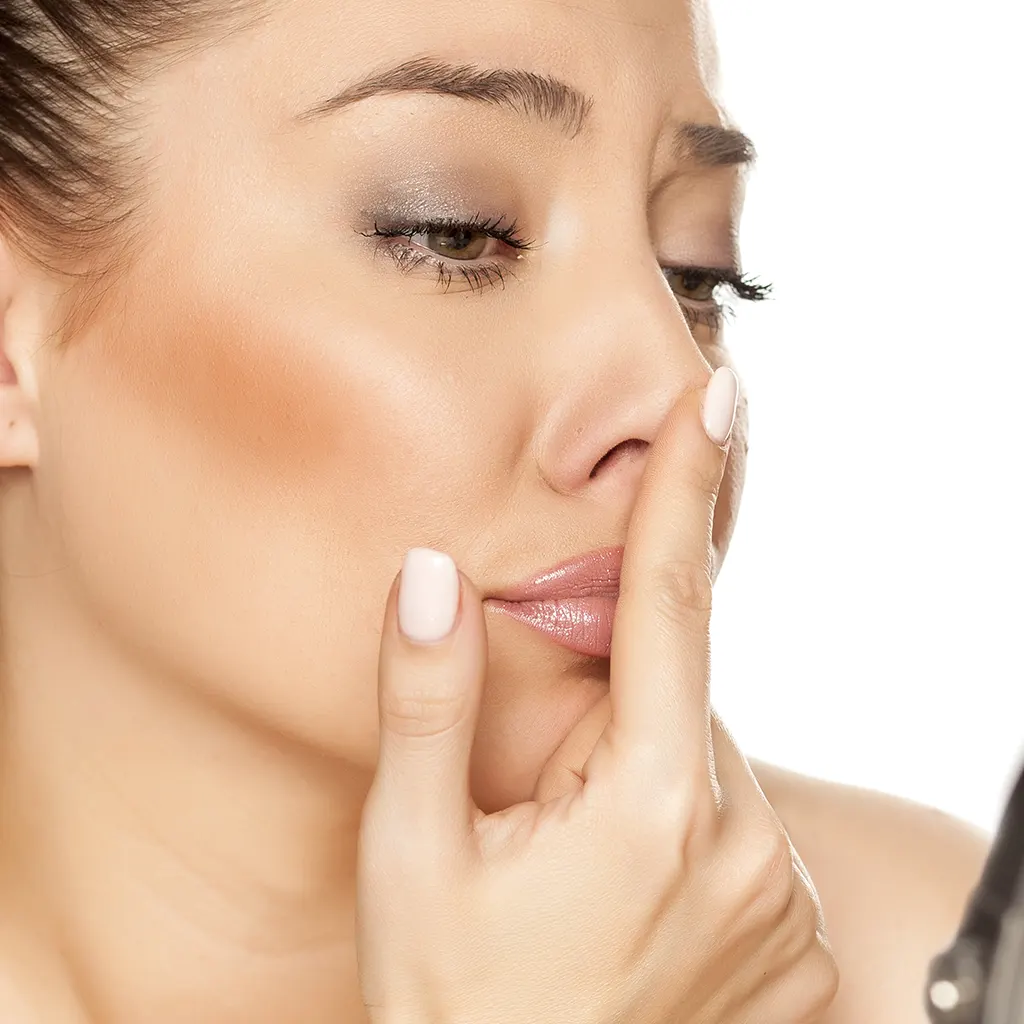
Rhinoplasty may address the appearance of the nose, breathing function or both. Surgical planning is tailored to each person’s anatomy, needs and facial features.

Nasal Proportions and Facial Harmony
Every face differs in shape, size and contour. Rhinoplasty is planned individually according to anatomy and facial harmony. Features assessed include the bridge, tip, lip–nose angle and nasal projection.
Not everyone is a suitable candidate; needs and expectations form part of planning.
Not everyone is a suitable candidate; needs and expectations form part of planning.

Rhinoplasty Techniques
Closed rhinoplasty uses internal incisions. Open rhinoplasty includes a small incision between the nostrils and allows direct access to cartilage and bone. Its appearance usually improves with healing.
Functional concerns require specialist assessment and may need surgery. Selected contour irregularities may sometimes be addressed without surgery using injectable materials or autologous fat; these approaches do not correct breathing problems.
Functional concerns require specialist assessment and may need surgery. Selected contour irregularities may sometimes be addressed without surgery using injectable materials or autologous fat; these approaches do not correct breathing problems.

Procedure and Recovery
Rhinoplasty generally takes 2–3 hours under general anaesthesia. An overnight stay is often recommended. Internal dressings may be removed within 24 hours and the splint after approximately one week.
Returning to work may be possible after 5–7 days, depending on recovery. Makeup may be used after the first week. Exercise should be avoided for at least three weeks.
Approximately 60–70% of the development of the result may be visible during the first three months, while the final appearance forms over approximately 12–14 months.
Photographs and Consent
Photographs support planning and the medical record. Consent covers indications, contraindications and possible complications, and questions should be addressed before surgery.

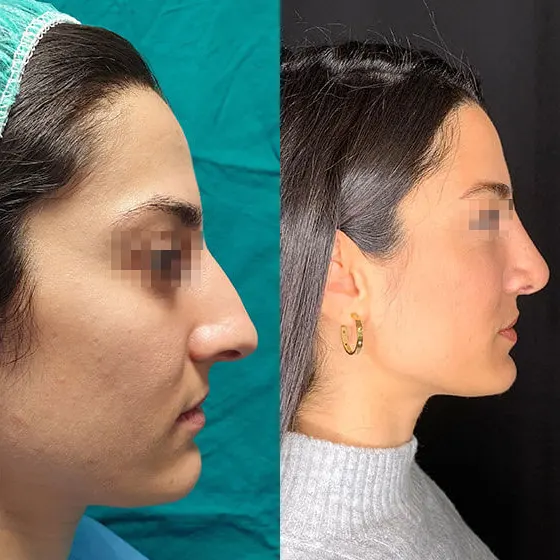
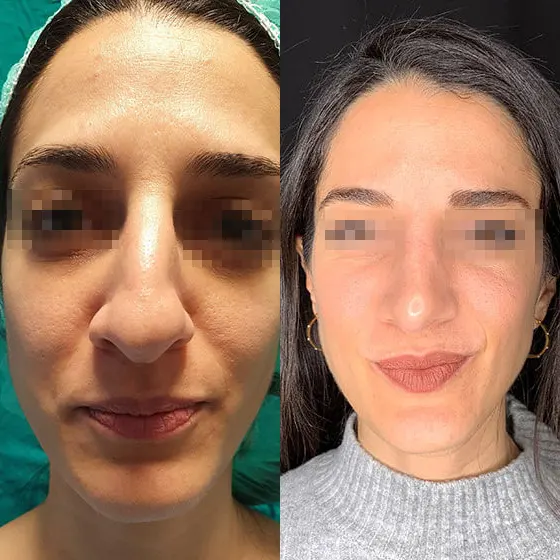
Before & After Results
View real patient cases related to this treatment.
 Rhinoplasty
 Rhinoplasty
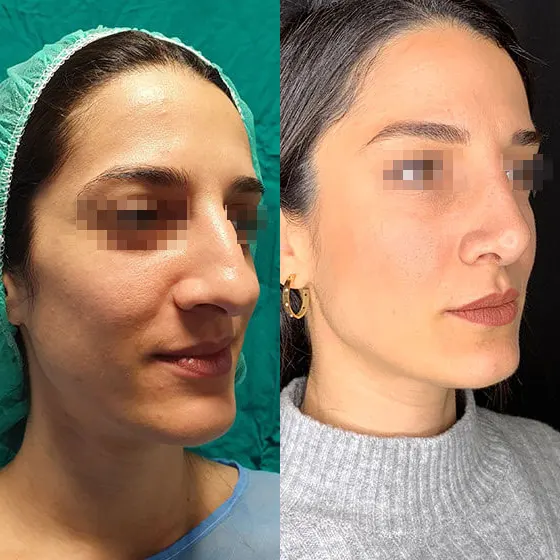 Rhinoplasty
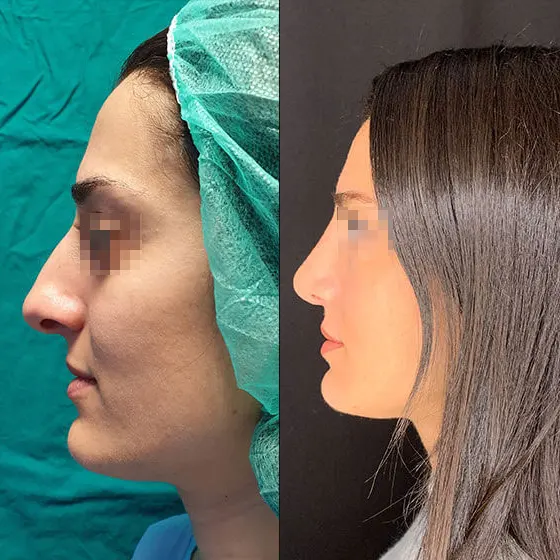 Rhinoplasty
You May Also Be Interested In
More information and useful content related to this treatment.
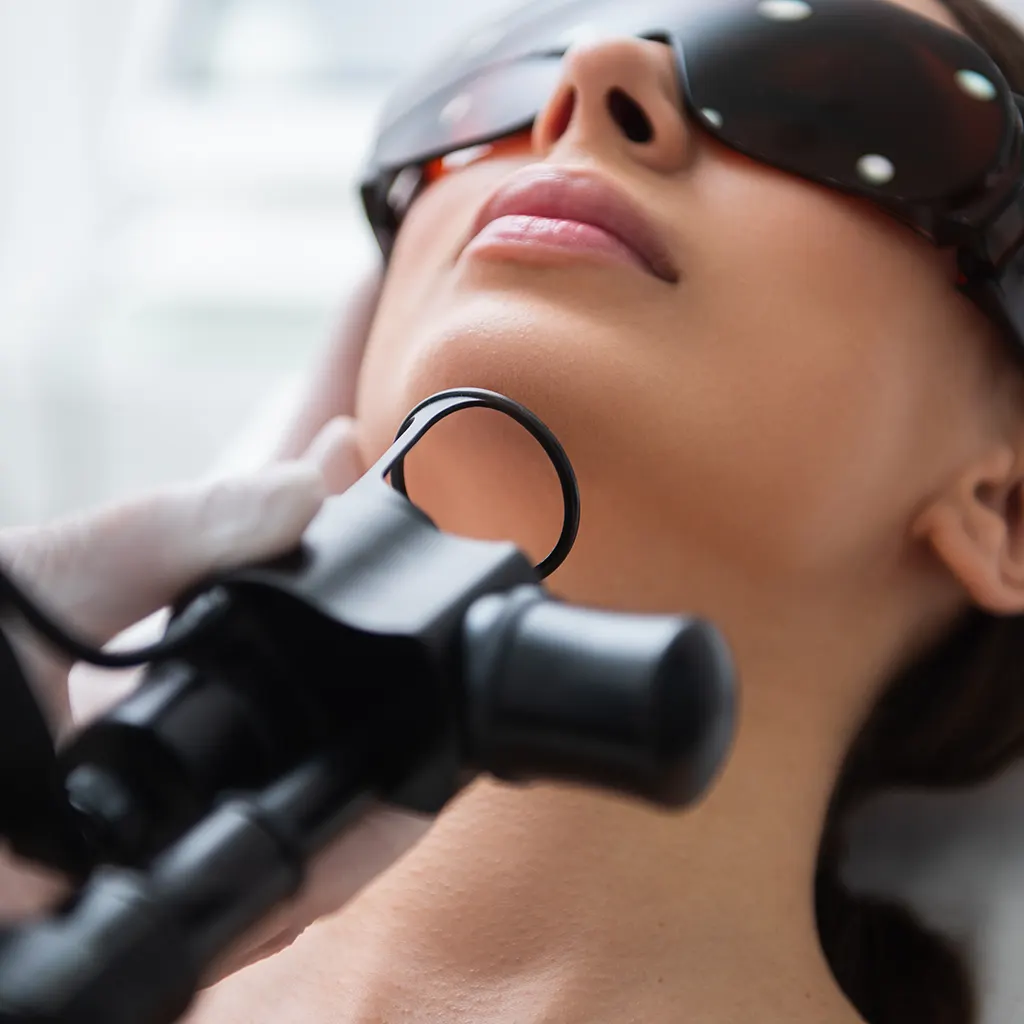 Fractional CO₂ Laser: Skin Resurfacing and RejuvenationThe Fractional CO₂ Laser, with a wavelength of 10,600 nm, creates microscopic zones of controlled thermal action in the skin. It may be used to improve texture, fine…Read article
 GENTLO RF Microneedling for Acne ScarsAcne scars are a common aesthetic concern and may affect skin texture and appearance. Selecting the most appropriate approach depends on scar type and depth, skin ch…Read article
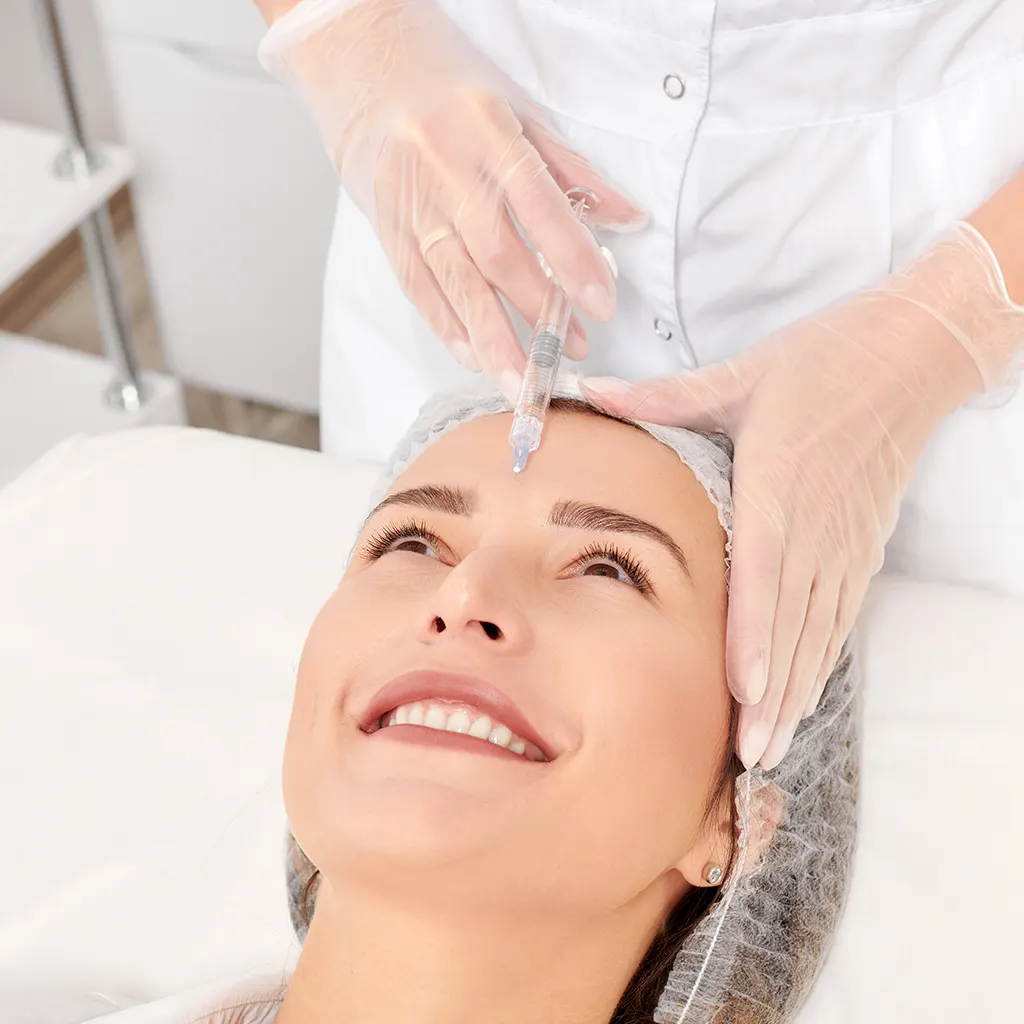 Skin Boosters: Hydration and Skin RejuvenationSkin boosters are injectable applications based on stabilised hyaluronic acid, used to support hydration and improve skin texture and overall appearance. Treatment p…Read article
Patient Reviews
Patient experiences from our clinic and treatments.
 Μαρια Π...

★★★★★
I have trusted the doctor and his experienced staff for many years... that says it all. Thank you very much.
 Anda T...
★★★★★
I visited Dr. Moutsoudis’s clinic. He is an excellent doctor who explains everything about each procedure. I personally had injectable treatments on my face and was completely satisfied 🙏. I also had Dermapen with the girls, with a perfect result. Wonderful atmosphere and clinic!! Thank you!! 🙂
 Εύα Κ...
★★★★★
For me, Dr. Moutsoudis is the best plastic surgeon. We went through a procedure together, and from the beginning he told me that recovery would be difficult, while other doctors do not say these things. He was completely honest and informative from the first appointment to the last. Even after the procedure, he came to see me three times at the clinic within 12 hours, and to this day, 18 days after the procedure, he shows concern almost daily about the healing process. His phone is always on, and he answers any question I have immediately, even at weekends. He has been by my side from the first moment to the last. Above all, the doctor is a very good person and an excellent doctor!! His results speak for themselves! Of course, I could not fail to mention his impeccably trained team: all excellent professionals, very caring, knowledgeable, kind and principled! My experience at Dr. Moutsoudis’s clinic will remain unforgettable! I am grateful and recommend him without reservation!
 Maria P...
★★★★★
I have no words for the doctor. Five stars are far too few. I visited the clinic a short while ago, and he explained everything to me with great patience. Very approachable and, above all, a wonderful human being!!! And the result was fantastic!!!! By far the best plastic surgeon!!
Frequently Asked Questions
What is rhinoplasty and when may it be considered?
Rhinoplasty may address appearance, nasal function or both, with planning tailored to the face.
What is the difference between closed and open rhinoplasty?
Closed rhinoplasty uses internal incisions. Open rhinoplasty includes a small external incision and direct access to the nasal framework.
What is non-surgical rhinoplasty?
Selected contour irregularities may be treated with injectable material or fat. It does not correct breathing problems and lasts about 9–18 months.
How long does surgery take and what anaesthesia is used?
Rhinoplasty generally takes 2–3 hours under general anaesthesia. Combined surgery may take longer.
What does recovery involve?
Dressings and the splint are removed within about 1–7 days. Returning to work may be possible after 5–7 days. Final appearance forms over 12–14 months.
What risks or complications may occur?
Possible complications include bleeding, infection, breathing difficulty or asymmetry.
When can the final result be assessed?
About 60–70% of development may be visible in three months; final appearance forms over 12–14 months.
At what age may rhinoplasty be considered?
It may be considered after nasal skeletal development, often from about 17–18 years, with individual assessment.
Is an overnight stay required?
An overnight stay is usually recommended. Same-day discharge may be possible in selected cases.
Where can I obtain information in Thessaloniki?
A consultation can assess aesthetic and functional concerns and determine the surgical plan.
Would you like to discuss which option is suitable for you?
The right indication and a personalised treatment plan are determined after medical assessment.