Aesthetic Plastic Surgery
Blepharoplasty for Upper and Lower Eyelids
The skin around the eyes and eyelids is thin and sensitive, which is why signs of ageing may become visible there early. The area is affected by environmental and sun exposure, as well as genetic and age-related factors.
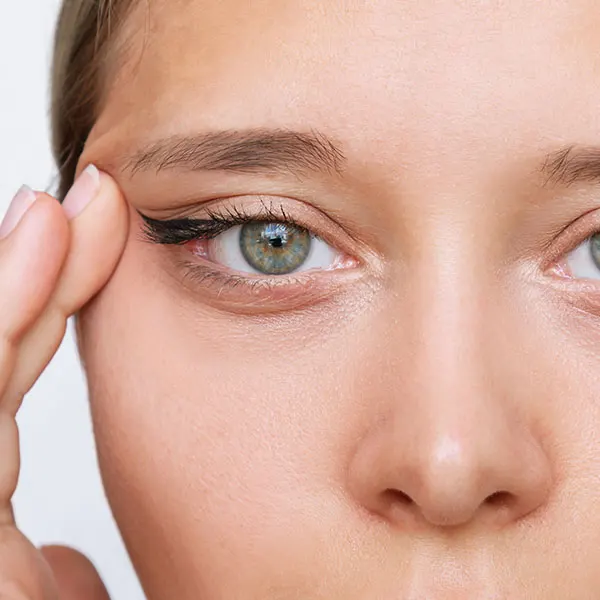
The upper and lower eyelids have a significant effect on the overall appearance of the face. Skin laxity and under-eye bags may contribute to an aged or tired appearance.
Blepharoplasty and Long-Term Eyelid Appearance
Blepharoplasty may improve the appearance of the eyelid area, with surgical planning tailored to the person’s facial features.
In selected cases, blepharoplasty may be combined with fat grafting using the micro-fat-grafting technique, depending on the anatomy and treatment plan.
The procedure aims to improve the appearance of the eyelids. The duration of the result varies between individuals and is influenced by natural ageing and lifestyle.
Blepharoplasty is among the frequently performed facial aesthetic procedures worldwide.
When Upper or Lower Blepharoplasty May Be Considered
Skin laxity, weakening of the eyelid muscles and prominence of the fat around the eye are common reasons for seeking an assessment by a plastic surgeon.
The procedure may improve puffiness, hollowing or the appearance of dark circles around the eyes, depending on their cause.
Treatment may involve the upper eyelids, the lower eyelids or both, according to the individual assessment.
The procedure may improve puffiness, hollowing or the appearance of dark circles around the eyes, depending on their cause.
Treatment may involve the upper eyelids, the lower eyelids or both, according to the individual assessment.
How Blepharoplasty May Improve the Eyelid Area
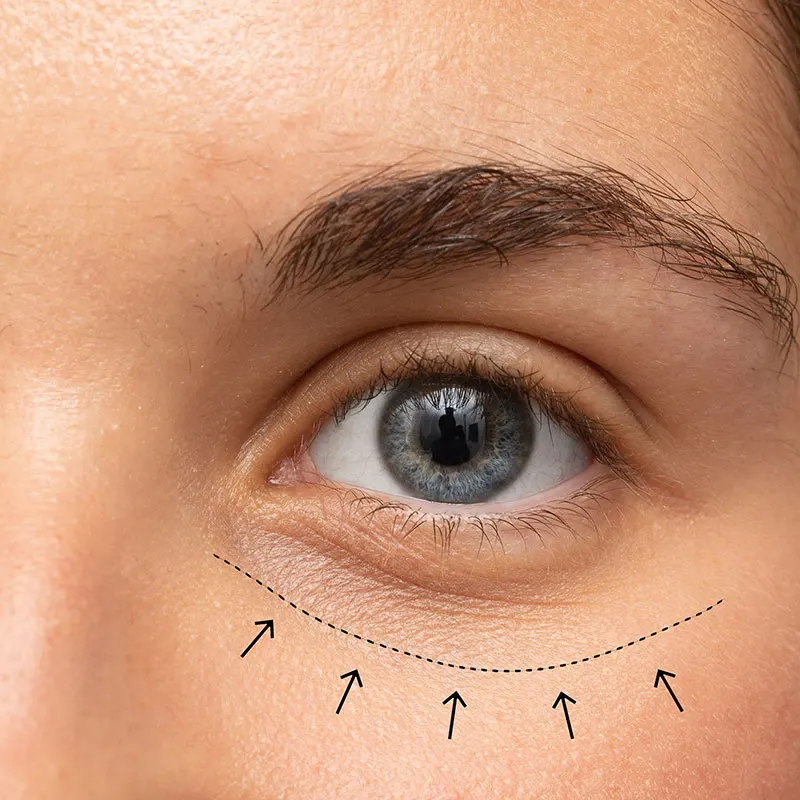
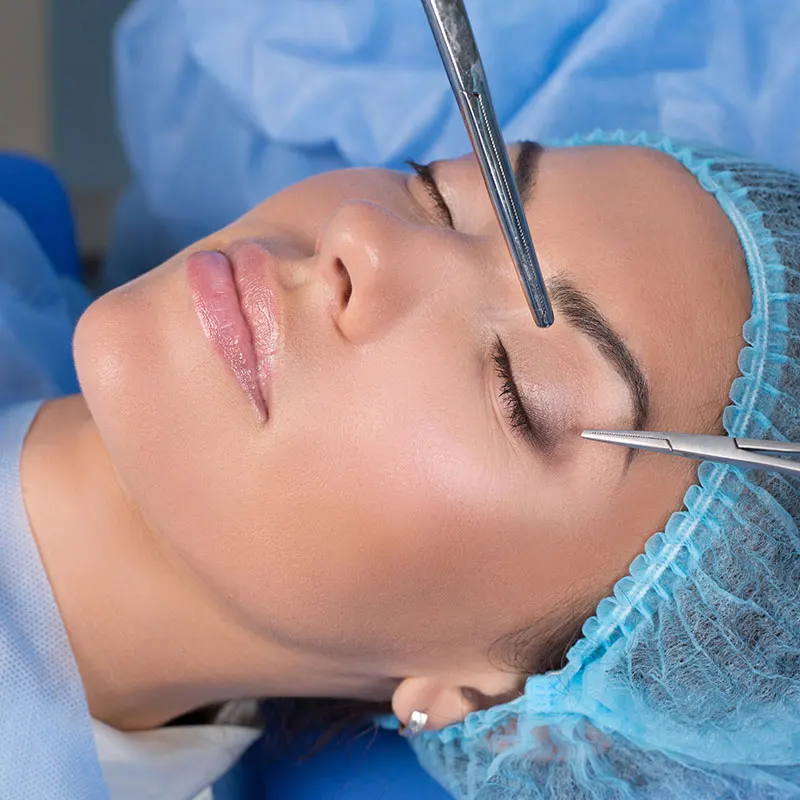
Incisions on the upper and lower eyelids follow the natural folds of the eye and allow the surgeon to access the underlying muscle and fat compartments.
The surgeon may remove or reposition fat and address excess skin according to the surgical plan. In some cases, excess upper-eyelid skin may also interfere with vision.
This may be related to laxity of the muscles that elevate the eyelids, causing them to cover part of the visual field.
The surgeon may remove or reposition fat and address excess skin according to the surgical plan. In some cases, excess upper-eyelid skin may also interfere with vision.
This may be related to laxity of the muscles that elevate the eyelids, causing them to cover part of the visual field.
Anaesthesia, Photographs and Consent
Surgery is usually performed under local anaesthesia combined with sedation. Photographs are taken before surgery for planning and afterwards for the medical record.
The consent process covers the procedure and the relevant information, and the patient receives a copy.
The consent process covers the procedure and the relevant information, and the patient receives a copy.
Recovery After Blepharoplasty
After discharge, rest for several days and careful adherence to the doctor’s instructions are recommended. Sutures are removed after 5–7 days. Returning to office work may be possible at approximately 5–7 days, depending on the extent of surgery and the individual course of recovery. Makeup may be used after the first week, in accordance with the doctor’s advice.
Strenuous physical activity should be avoided for at least three weeks. Sun exposure should also be avoided for at least six months, with regular use of high-factor sunscreen (SPF above 30).
Regular follow-up during the first weeks and months after surgery is important.
The consultation is intended to ensure that the procedure, its indications and contraindications are fully understood and that any questions are addressed before surgery.
Before & After Results
View real patient cases related to this treatment.
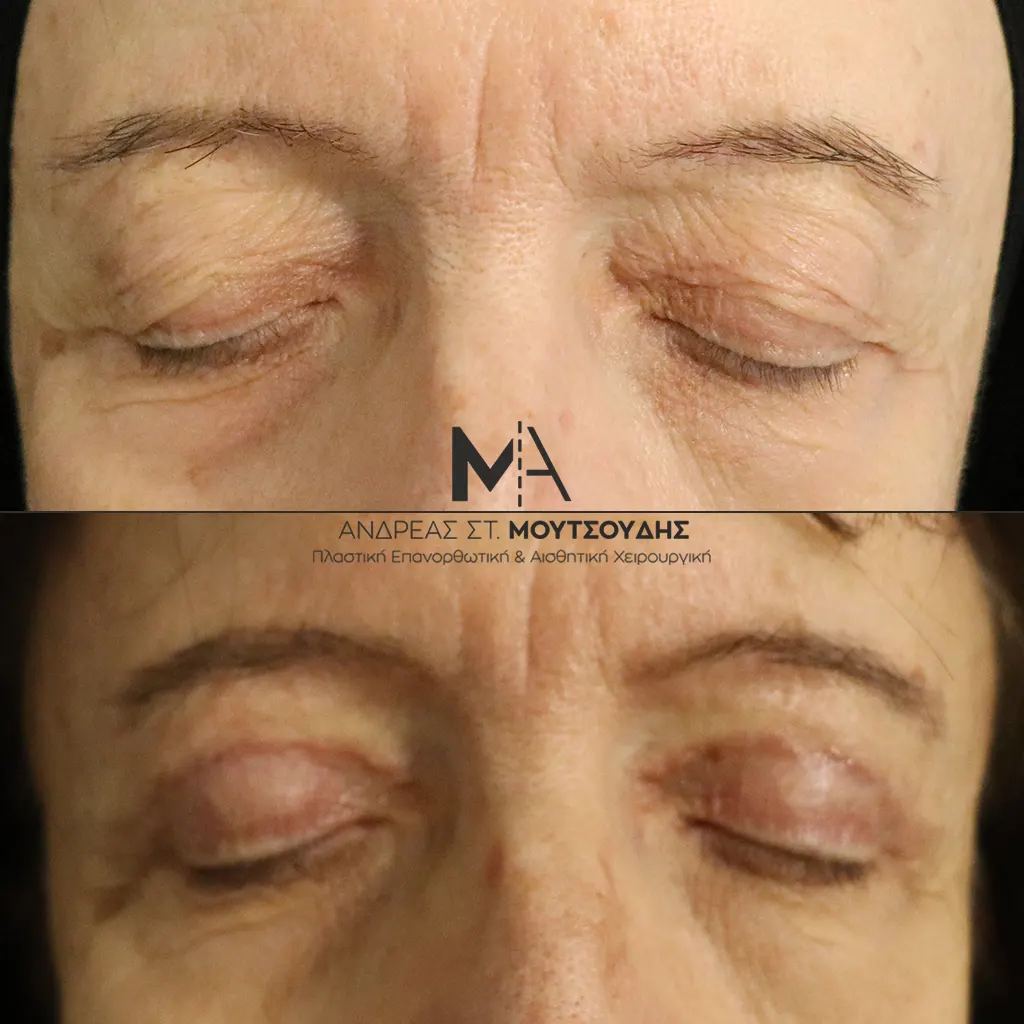 Blepharoplasty
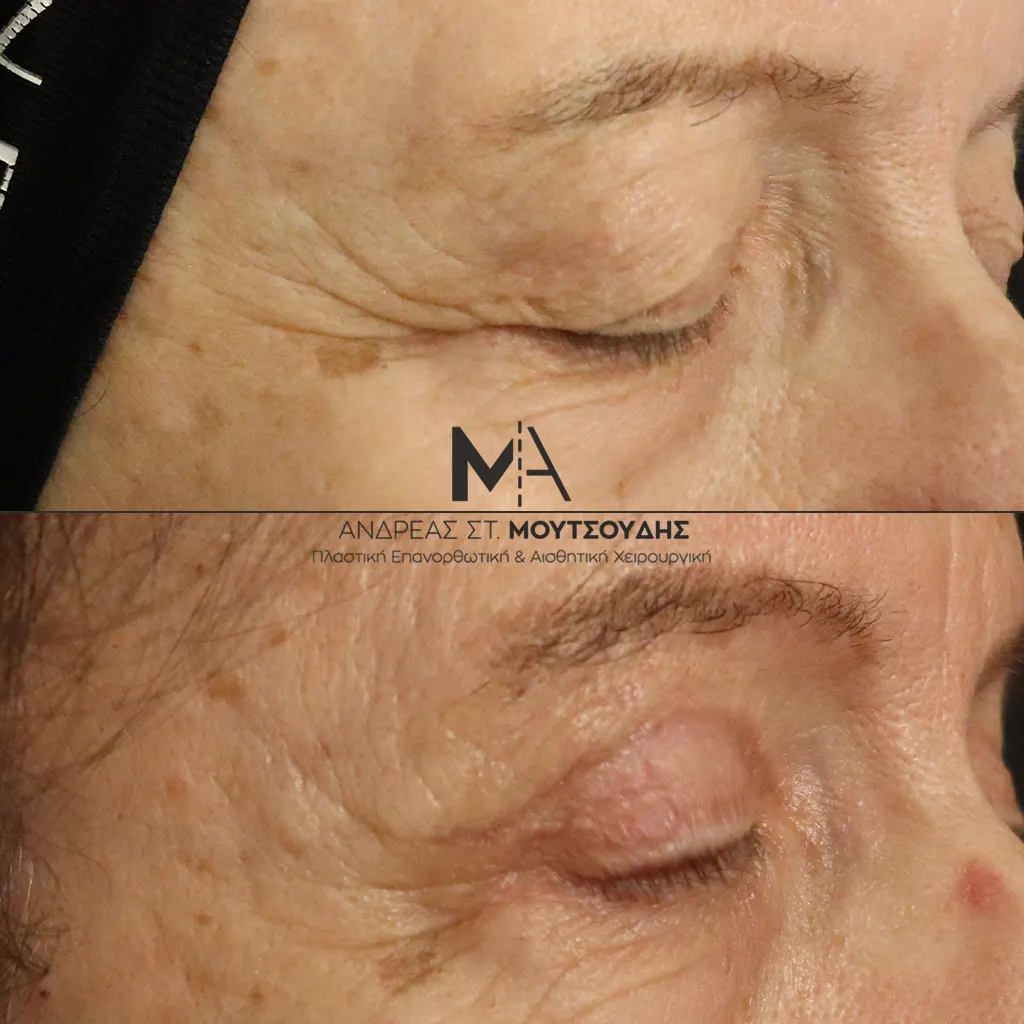 Blepharoplasty
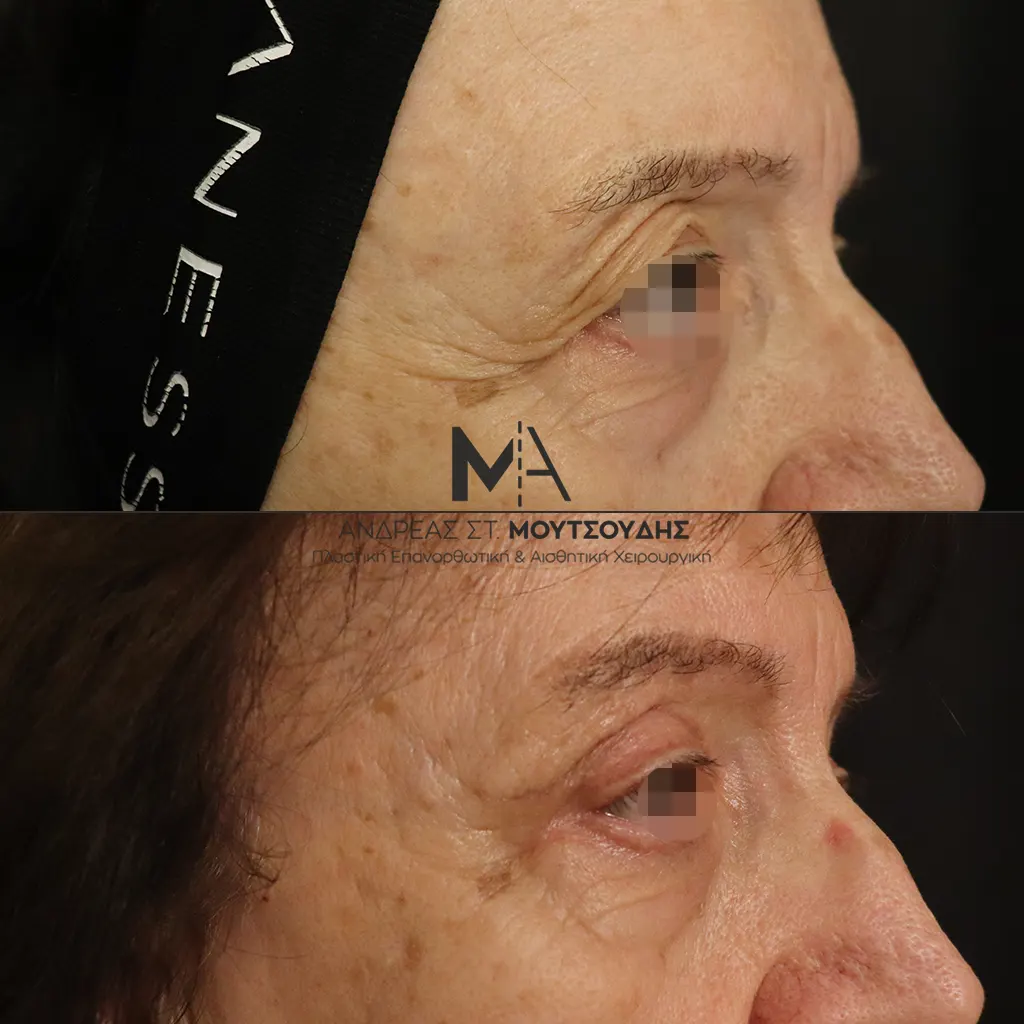 Blepharoplasty
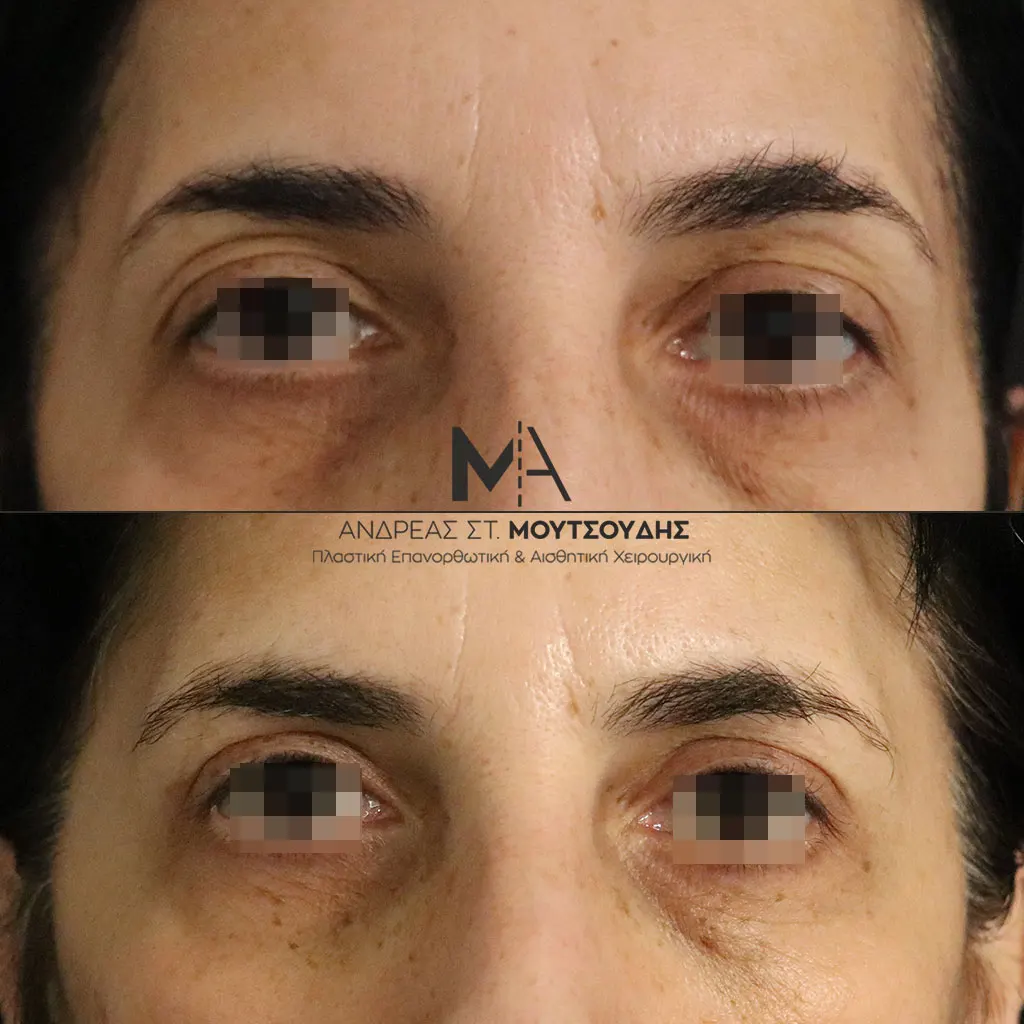 Blepharoplasty
Related Videos
Short explanations and answers from Dr. Andreas Moutsoudis.
Blepharoplasty: Is the Result Permanent or Might the Procedure Need to Be Repeated?
In this video, we provide a responsible overview of how long blepharoplasty results may last, the factors that may affect their longevity (age, skin and genetic factors),…
View videoYou May Also Be Interested In
More information and useful content related to this treatment.
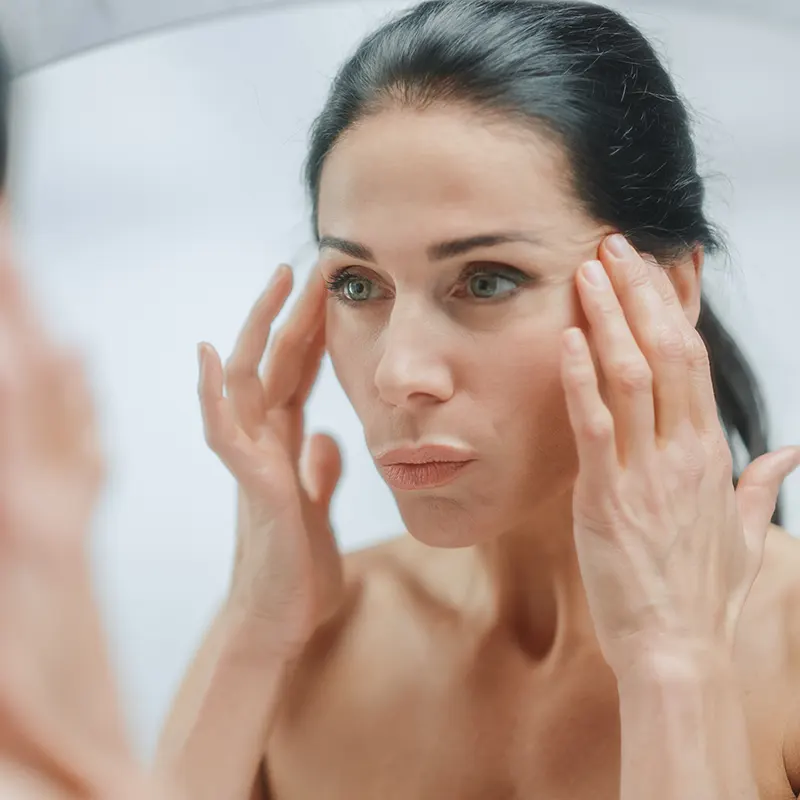 Blepharoplasty: Procedure, Indications and RecoveryBlepharoplasty addresses excess skin and fatty tissue in the upper or lower eyelids. Planning depends on anatomy, symptoms and individual goals.Read article
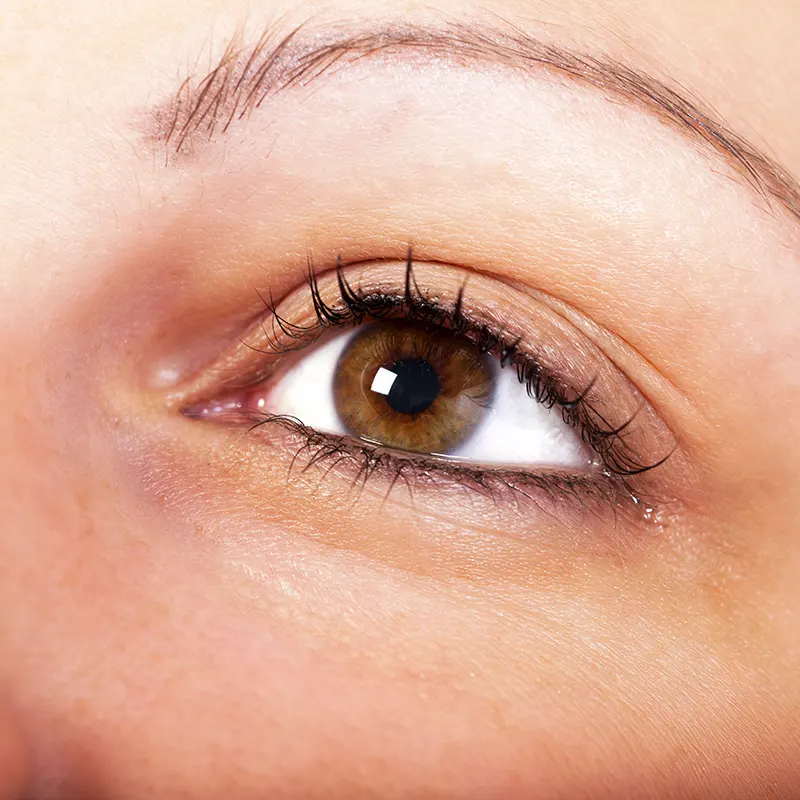 Drooping Eyelids and Under-Eye Bags: Treatment OptionsBlepharoplasty is surgery involving the eyelid area. It may address excess skin or fat in the upper or lower eyelids, with planning tailored to the findings and need…Read article
Frequently Asked Questions
What is blepharoplasty?
Blepharoplasty is surgery that addresses excess skin and fat in the upper and/or lower eyelids, including eyelid laxity and under-eye bags. The procedure is planned according to the individual anatomy.
When may blepharoplasty be considered?
It may be considered when eyelid laxity, puffiness, dark circles or excess skin affect facial appearance or interfere with vision.
What is the difference between upper and lower blepharoplasty?
Upper blepharoplasty addresses excess skin and fat on the upper eyelid, while lower blepharoplasty focuses on under-eye bags, skin laxity and selected lines below the eyes. The two procedures may be performed together when indicated.
Is blepharoplasty performed under local anaesthesia?
In many cases, blepharoplasty is performed under local anaesthesia combined with sedation. The anaesthetic plan is selected according to the procedure and the individual assessment.
How long is recovery after blepharoplasty?
Initial recovery takes approximately one week. Sutures are removed after 5–7 days, and returning to office work may be possible at approximately 5–7 days, depending on the extent of surgery and the individual course of recovery. Strenuous exercise should be avoided for three weeks.
Does blepharoplasty leave scars?
The incisions are placed within natural eyelid folds so that the scars generally become less conspicuous as healing progresses.
How long do the results last?
The results may be long-lasting, but their duration varies according to natural skin ageing, anatomy and lifestyle.
Is blepharoplasty available in Thessaloniki?
Blepharoplasty is performed in Thessaloniki by plastic surgeon Dr Andreas Moutsoudis following an individual medical assessment.
Which areas can be treated with blepharoplasty?
Blepharoplasty may involve the upper eyelids, lower eyelids or both. The choice is made individually after medical assessment.
Would you like to discuss which option is suitable for you?
The right indication and a personalised treatment plan are determined after medical assessment.