
Reconstructive Plastic Surgery
Hand Surgery
The human hand performs movements ranging from powerful grip to precise fine-motor tasks. Hand surgery addresses congenital abnormalities, injuries, burns, inflammatory conditions and tumours that may affect its function.
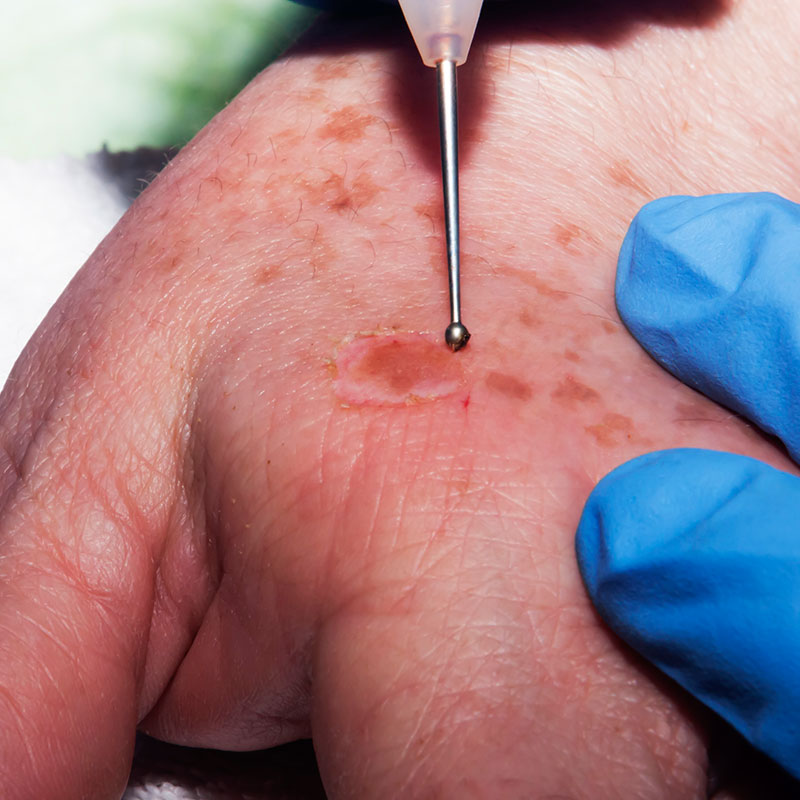
The hand is also one of the most important means through which people express emotion.
Hand surgery is a major field of plastic and reconstructive surgery and can be divided into two broad areas:
first, reconstruction of congenital abnormalities of the fingers; and
second, treatment of acquired conditions caused by trauma, burns, inflammatory disease and tumours of the hand. Congenital abnormalities include polydactyly, syndactyly, camptodactyly, clinodactyly and macrodactyly. Another important condition is amniotic band syndrome, a relatively rare developmental disorder. Inflammatory conditions include paronychia, pyoderma, tenosynovitis and epidermoid cysts.
first, reconstruction of congenital abnormalities of the fingers; and
second, treatment of acquired conditions caused by trauma, burns, inflammatory disease and tumours of the hand. Congenital abnormalities include polydactyly, syndactyly, camptodactyly, clinodactyly and macrodactyly. Another important condition is amniotic band syndrome, a relatively rare developmental disorder. Inflammatory conditions include paronychia, pyoderma, tenosynovitis and epidermoid cysts.
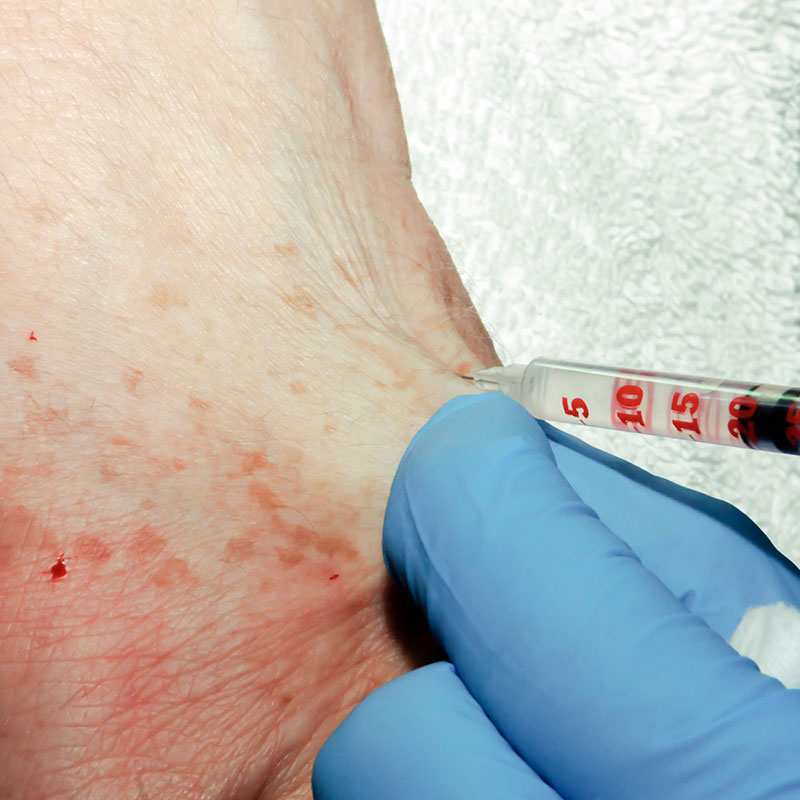
Conditions and Reconstruction of the Hand
Plastic surgeons may be called upon to treat different types of burn injuries affecting the upper limbs and to reconstruct post-burn scars. Techniques may include Z-plasty, local flaps, skin grafts and, when required, free flaps.
Carpal tunnel syndrome is one of the more common conditions affecting the hand. Pressure on the median nerve causes wrist pain, which may be worse at night, and numbness in the fingers.
If the condition remains untreated for a prolonged period, thenar muscle wasting and weakness of the thumb may develop, making fine hand movements more difficult.
Decompression is performed using an open or endoscopic technique, under local anaesthesia with sedation. The patient returns home on the same day.
Dupuytren disease, or contracture of the palmar fascia, is another important condition. Its cause is unknown, and it affects people of white ethnicity almost exclusively.
There is a hereditary predisposition and an association with conditions or factors including diabetes, epilepsy, alcohol use and trauma.
Both sexes are affected equally, most often in the fifth or sixth decade of life.
The palmar fascia thickens and contracts, causing flexion contractures of the fingers.
The little finger is affected most frequently (70%), followed by the ring finger (65%). The disease begins with small firm nodules along the course of the flexor tendons. A cord then develops, leading to progressive flexion of the finger. The condition is often bilateral.
Treatment is generally surgical and may involve limited fasciectomy.
Tumours may also develop in the hand.
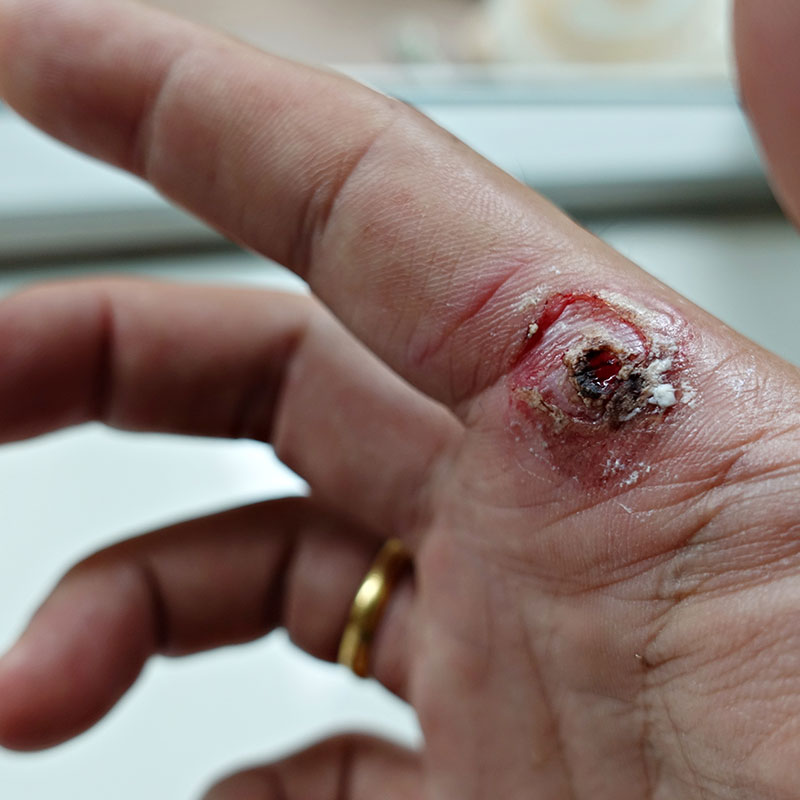
Tumours of the Hand
Benign and malignant tumours of the hand are uncommon compared with tumours in other parts of the body. The more frequently encountered lesions include:
Ganglia:
These are cystic swellings containing gelatinous material. They usually occur on the back of the wrist and less commonly on the fingers. Their precise cause is unknown, although excessive hand use may contribute to local degeneration of the ligaments. Surgical excision may be used in their management.
Epidermoid cysts:
These usually develop on the palmar surface of the hand, particularly on the finger pads after trauma. They are removed together with their capsule. Haemangiomas and vascular malformations may also occur.
Pyogenic granuloma:
This may develop after trauma as an outward-growing mass and is removed surgically.
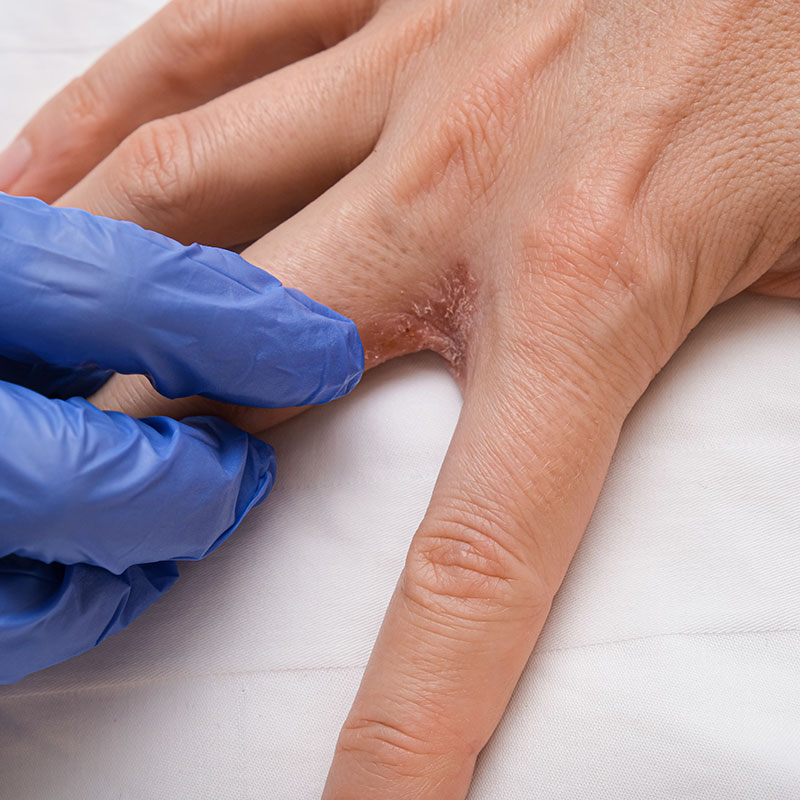
Giant Cell and Nerve-Sheath Tumours
Giant cell tumour:
This is a painful, slowly growing mass of unknown cause, most commonly located in the fingers. It may arise from a tendon sheath or a ligament and is treated by excision.
Neuroma, neurilemmoma and schwannoma:
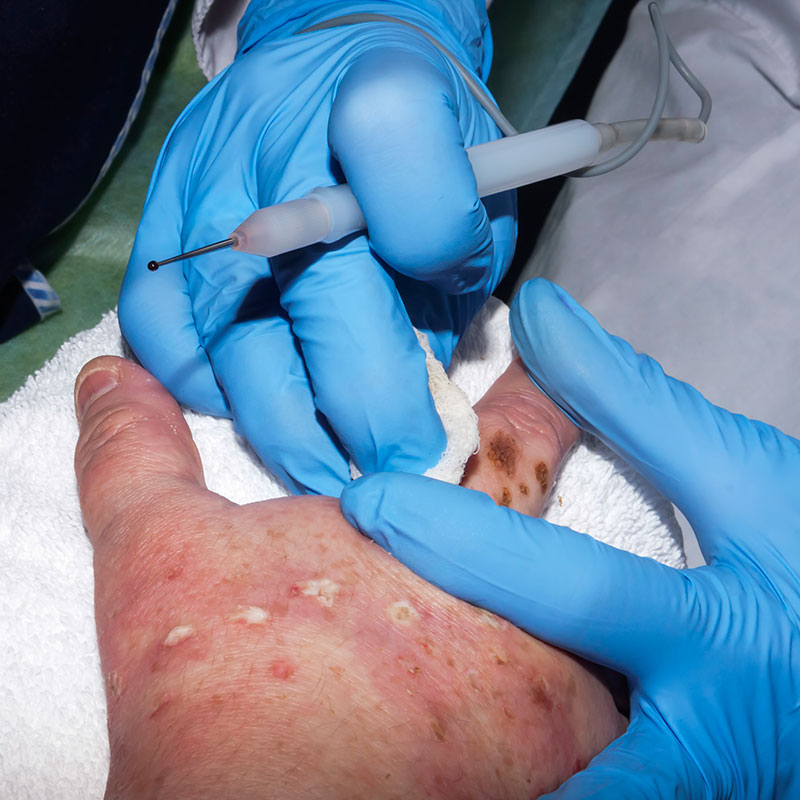
These tumours arise from nerve tissue and can be particularly painful. Excision may help relieve symptoms. Squamous cell carcinoma is the most frequent malignant skin tumour of the hand. It occurs on the back of the wrist and requires wide surgical excision, with the adequacy of excision assessed histologically by biopsy. Pigmented naevi are also of interest; excision may be recommended because of their location and chronic irritation.
Frequently Asked Questions
What is hand surgery?
Hand surgery covers procedures for congenital abnormalities, such as polydactyly and syndactyly, and acquired conditions caused by trauma, burns, inflammation or tumours that affect the function or appearance of the hand.
When may reconstruction be required after a hand injury or burn?
Post-burn scars and traumatic injuries may be treated with techniques such as Z-plasty, local or free flaps and skin grafts, depending on the injury and anatomical area.
What is carpal tunnel syndrome and how is it treated surgically?
Carpal tunnel syndrome results from pressure on the median nerve at the wrist, causing pain and numbness. Decompression is performed using an open or endoscopic technique, under local anaesthesia with sedation. The patient returns home on the same day.
What is Dupuytren disease and how is it treated?
Thickening and contraction of the palmar fascia cause flexion contractures of the fingers. Treatment is surgical, using limited fasciectomy, particularly in advanced cases.
Which benign and malignant lesions may occur in the hand?
Lesions include ganglia, epidermoid cysts, pyogenic granulomas, neuromas and giant cell tumours. Malignant lesions such as squamous cell carcinoma require excision and histological assessment.
What does recovery after hand surgery involve?
Postoperative care is determined by the procedure and may include dressings, physiotherapy and follow-up with the surgeon.
How are procedures for localised hand conditions planned?
Procedures are planned after individual clinical assessment, using the equipment and surgical support appropriate to the hand condition being treated.
What should I know before hand surgery?
Assessment includes the medical history, clinical examination and any required imaging. The technique is selected according to the condition and the reconstructive requirements.
Why is postoperative follow-up important?
Postoperative care, physiotherapy and regular review by the surgeon support functional recovery and assessment of the healing process.
Would you like to discuss which option is suitable for you?
The right indication and a personalised treatment plan are determined after medical assessment.