Aesthetic Plastic Surgery
Face Lift (Rhytidectomy)
Facial skin ageing is a natural process. Over time, facial fat and subcutaneous tissue volume may decrease, the skin may become lax and fine lines may deepen.
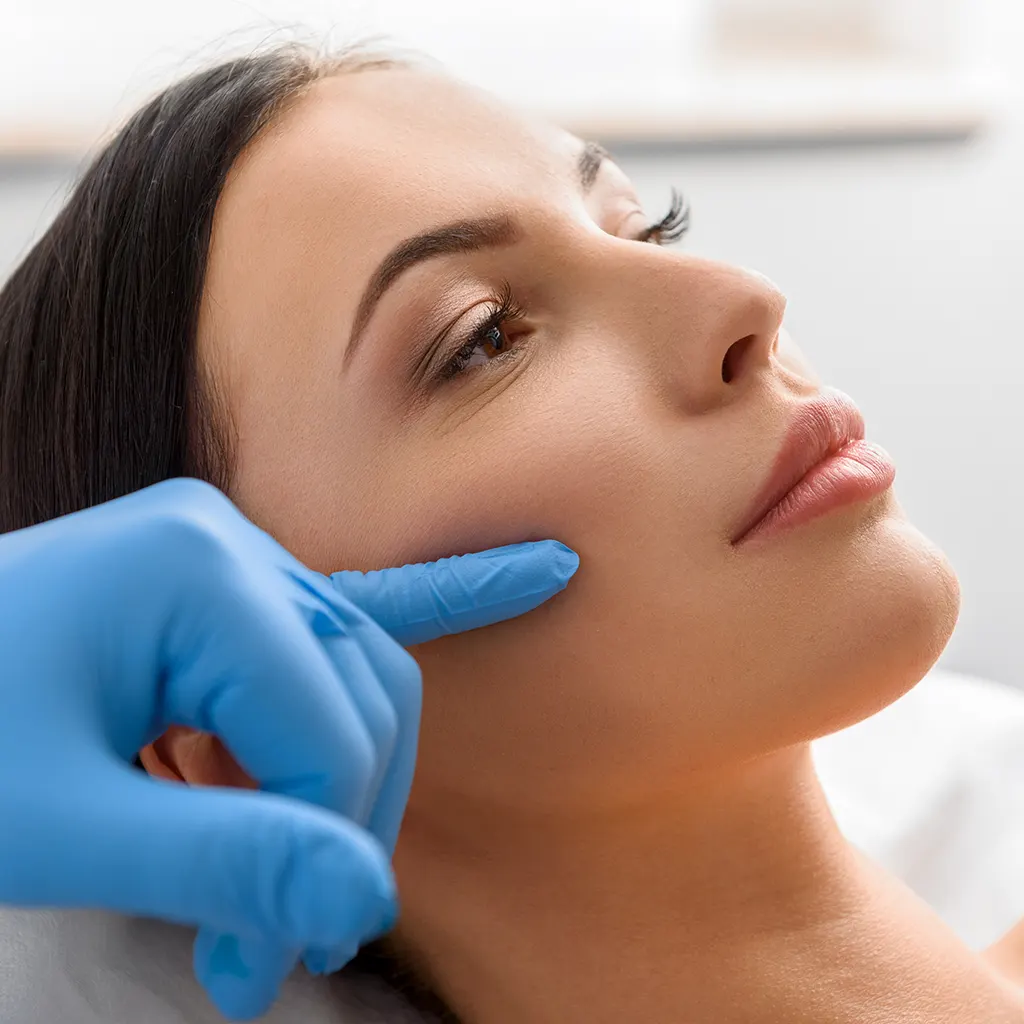
Surgical Treatment of Facial Ageing
Sun exposure, environmental factors, smoking and everyday stress may contribute to the skin-ageing process.
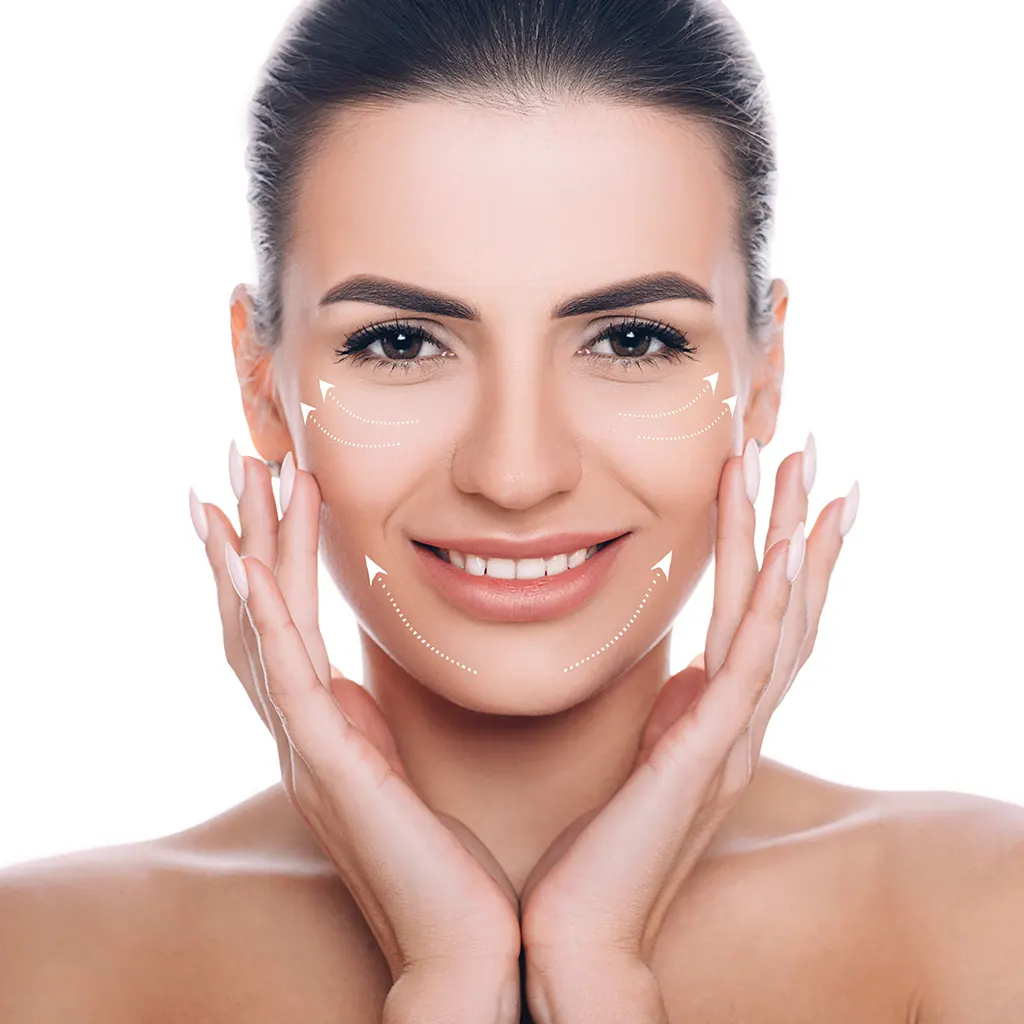
A surgical face lift addresses laxity by lifting the underlying tissues and removing excess skin. The degree and duration of improvement vary between individuals.
A surgical face lift addresses laxity by lifting the underlying tissues and removing excess skin. The degree and duration of improvement vary between individuals.

Combined Procedures
A face lift may be combined with procedures such as blepharoplasty, a neck lift, a forehead or brow lift, submental liposuction or laser skin treatment.
Depending on the indications, other methods may also be considered, including:
Depending on the indications, other methods may also be considered, including:
- Stem-cell-based treatments
- Laser treatment
- Peels
- Autologous fat

Indications for Surgery
Face lift surgery may be considered by people with lax skin on the face and neck. Skin quality and elasticity are assessed as part of surgical planning.
Age, general health and stable body weight are among the factors considered during assessment.
Realistic expectations, a detailed medical history and discussion of contraindications are essential before surgery.
Age, general health and stable body weight are among the factors considered during assessment.
Realistic expectations, a detailed medical history and discussion of contraindications are essential before surgery.
Duration of Surgery and Clinic Stay
Surgery takes approximately 2–3 hours. If combined with blepharoplasty or a forehead lift, it may take approximately five hours.
Admission takes place in the morning and includes basic preoperative checks. The clinic stay after surgery is generally estimated at one day.
Admission takes place in the morning and includes basic preoperative checks. The clinic stay after surgery is generally estimated at one day.
Postoperative Course
A drain placed during surgery to reduce the risk of haematoma is usually removed 24–48 hours after the procedure.
After discharge, rest for several days and careful adherence to the surgeon’s instructions are recommended. Sutures are removed after 5–7 days. Makeup may be used after the first week, in accordance with the surgeon’s advice. The time required before returning to work depends on the extent of surgery and the individual course of recovery and is determined according to the surgeon’s instructions.
Keeping the head elevated and using cold compresses may be helpful during the first 2–3 days.
Strenuous exercise should be avoided for at least three weeks. Sun exposure should also be avoided for at least six months, with regular use of high-factor sunscreen (SPF above 30).
Regular follow-up during the first weeks and months after surgery is important.
The consultation covers the procedure, indications, contraindications and possible complications so that questions can be addressed before surgery.
Detailed discussion with the doctor and adherence to the instructions support appropriate preparation and postoperative care.
After discharge, rest for several days and careful adherence to the surgeon’s instructions are recommended. Sutures are removed after 5–7 days. Makeup may be used after the first week, in accordance with the surgeon’s advice. The time required before returning to work depends on the extent of surgery and the individual course of recovery and is determined according to the surgeon’s instructions.
Keeping the head elevated and using cold compresses may be helpful during the first 2–3 days.
Strenuous exercise should be avoided for at least three weeks. Sun exposure should also be avoided for at least six months, with regular use of high-factor sunscreen (SPF above 30).
Regular follow-up during the first weeks and months after surgery is important.
The consultation covers the procedure, indications, contraindications and possible complications so that questions can be addressed before surgery.
Detailed discussion with the doctor and adherence to the instructions support appropriate preparation and postoperative care.
Anaesthesia, Photographs and Consent
Surgery is usually performed under local anaesthesia combined with sedation. Photographs are taken before surgery for planning and afterwards for the medical record.
The consent process covers the procedure and the relevant information, and the patient receives a copy.
For information about face lift surgery, contact the clinic for an individual medical assessment.
The consent process covers the procedure and the relevant information, and the patient receives a copy.
For information about face lift surgery, contact the clinic for an individual medical assessment.
Patient Reviews
Patient experiences from our clinic and treatments.
 Μαρια Π...

★★★★★
I have trusted the doctor and his experienced staff for many years... that says it all. Thank you very much.
 Anda T...
★★★★★
I visited Dr. Moutsoudis’s clinic. He is an excellent doctor who explains everything about each procedure. I personally had injectable treatments on my face and was completely satisfied 🙏. I also had Dermapen with the girls, with a perfect result. Wonderful atmosphere and clinic!! Thank you!! 🙂
 Εύα Κ...
★★★★★
For me, Dr. Moutsoudis is the best plastic surgeon. We went through a procedure together, and from the beginning he told me that recovery would be difficult, while other doctors do not say these things. He was completely honest and informative from the first appointment to the last. Even after the procedure, he came to see me three times at the clinic within 12 hours, and to this day, 18 days after the procedure, he shows concern almost daily about the healing process. His phone is always on, and he answers any question I have immediately, even at weekends. He has been by my side from the first moment to the last. Above all, the doctor is a very good person and an excellent doctor!! His results speak for themselves! Of course, I could not fail to mention his impeccably trained team: all excellent professionals, very caring, knowledgeable, kind and principled! My experience at Dr. Moutsoudis’s clinic will remain unforgettable! I am grateful and recommend him without reservation!
 Maria P...
★★★★★
I have no words for the doctor. Five stars are far too few. I visited the clinic a short while ago, and he explained everything to me with great patience. Very approachable and, above all, a wonderful human being!!! And the result was fantastic!!!! By far the best plastic surgeon!!
Frequently Asked Questions
What is a face lift and when may it be considered?
A face lift, or rhytidectomy, is surgery that addresses laxity of the skin and underlying tissues of the face and neck. It may be considered after individual assessment of laxity, tissue descent and facial contours.
At what age may a face lift be considered?
There is no single age that applies to everyone. Many procedures are performed between the ages of 40 and 65, but skin elasticity, anatomy and general health are more important than age alone.
Can a face lift be combined with other procedures?
Yes. It may be combined with blepharoplasty, a neck lift, brow lift, submental liposuction or selected skin treatments such as laser, peels or fat grafting.
How long does surgery take and what anaesthesia is used?
Surgery takes approximately 2–3 hours and is usually performed under local anaesthesia with sedation. Combined surgery may take up to approximately five hours.
What is the recovery period after a face lift?
Sutures are removed after 5–7 days. The time required before returning to work depends on the extent of surgery and the individual course of recovery and is determined according to the surgeon’s instructions. Swelling and bruising gradually subside over approximately 2–3 weeks.
How long do face-lift results last?
The results may last approximately 8–10 years. Duration varies according to lifestyle, skin quality and postoperative care.
Are there risks or complications after a face lift?
As with any operation, possible risks include haematoma, infection and temporary changes in sensation. These risks and the measures used to reduce them are discussed during medical assessment.
What should I consider after surgery?
Keeping the head elevated, using cold compresses during the first days, avoiding exercise for three weeks and using high-factor sun protection for six months are recommended.
Are there non-surgical alternatives to a face lift?
Options such as lifting threads, fillers, botulinum toxin, laser treatment and radiofrequency may be considered. Their indications and expected duration differ from those of surgical lifting.
How is face-lift surgery assessed in Thessaloniki?
Plastic surgeon Dr Andreas Moutsoudis performs an individual medical and surgical assessment in Thessaloniki and discusses the available treatment plan.
Would you like to discuss which option is suitable for you?
The right indication and a personalised treatment plan are determined after medical assessment.