Aesthetic Plastic Surgery
Fat Transfer (Fat Grafting)
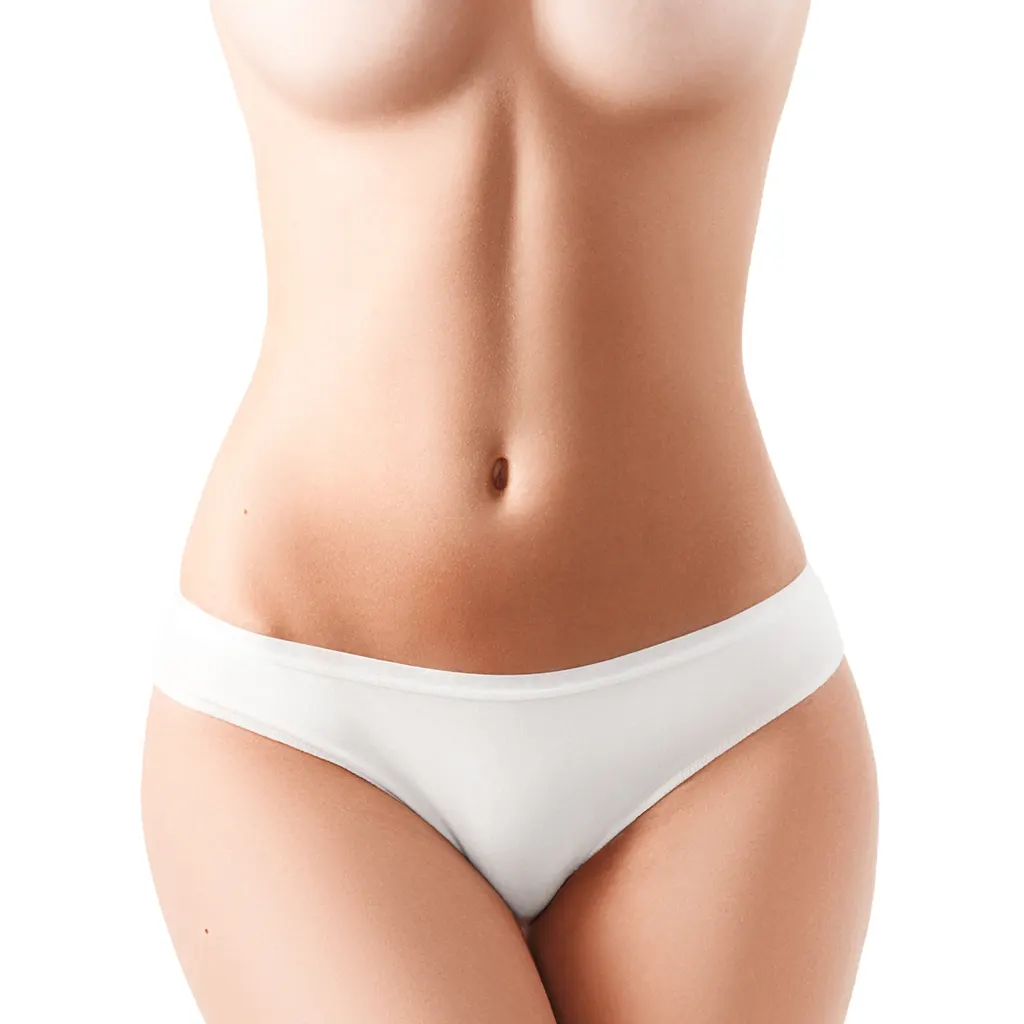
Fat transfer removes unwanted localised fat from one area and transfers it to another. Donor and recipient areas may include the face, neck, breasts, abdomen, buttocks, thighs, knees and other parts of the body, according to the individual plan.

Autologous Fat Transfer to the Face and Body
Liposuction removes fat from a donor area. The collected fat is processed and may be transferred to another area where volume is required, such as the cheeks, lips, calves or breasts.
Early aesthetic applications date to the early twentieth century. In 1990, Sydney Coleman systematised methods for harvesting, processing and transferring fat.
Early aesthetic applications date to the early twentieth century. In 1990, Sydney Coleman systematised methods for harvesting, processing and transferring fat.

Indications
Fat transfer may restore volume, soften selected wrinkles, address certain scars or support breast reconstruction after mastectomy. It may be combined with blepharoplasty or a face lift.
Anaesthesia and Procedure
The procedure may use local anaesthesia with sedation or general anaesthesia. A medical history, clinical assessment, photographs and consent are required. Bruising and swelling may occur and subside gradually.
The result may last 5–10 years or longer, depending on fat survival and individual factors. Approximately 70–80% of the transferred fat may remain, but this varies and does not guarantee permanence. PRP may be used in selected cases after individual assessment.
The result may last 5–10 years or longer, depending on fat survival and individual factors. Approximately 70–80% of the transferred fat may remain, but this varies and does not guarantee permanence. PRP may be used in selected cases after individual assessment.

Recovery
Patients usually return home after surgery. Rest is recommended for several days, sutures are generally removed after 6–7 days, and strenuous exercise should be avoided for at least three weeks.

Patient Reviews
Patient experiences from our clinic and treatments.
 Alexandra D...

★★★★★
Excellent professionals with many years of experience. I have been visiting them for the past seven years. I am very satisfied.
 ΕΒΙΤΑ Τ...
★★★★★
A wonderful beauty experience every time, with friendly people who are always willing to listen to you and understand your needs! Expertise and care combined!
 Ιωάννα Μ...
★★★★★
Very satisfied with the services! A special thank you to Maria, who always takes great care of me and is very kind and professional with me. The premises are always spotless!
 Αννα Λ...
★★★★★
Very satisfied with the services! A special thank you to Maria, who always takes great care of me and is very kind and professional with me. The premises are always spotless!
Frequently Asked Questions
What is fat transfer?
Fat is removed from one area, processed and placed in another area where volume is required.
When may fat transfer be used?
It may restore volume, soften selected wrinkles, address certain scars or support breast reconstruction.
Which areas can provide donor fat?
Common donor areas include the abdomen, thighs, hips, buttocks and knees.
What anaesthesia is used?
The procedure may use local anaesthesia with sedation or general anaesthesia.
How long does the result last?
Approximately 70–80% of transferred fat may remain, but this varies. The result may last many years and is not guaranteed permanent.
What risks or side effects may occur?
Swelling, bruising and temporary sensitivity may occur. Infection or fat absorption may also occur.
What postoperative care is required?
Rest is recommended for several days, exercise is avoided for about three weeks, and follow-up is required.
Can it be combined with other procedures?
It may be combined with blepharoplasty, face lift or liposuction when appropriate.
How long is recovery?
Returning to daily activities may be possible after approximately 7–10 days.
Where can I obtain information in Thessaloniki?
A consultation can assess donor areas, recipient areas and suitability.
Would you like to discuss which option is suitable for you?
The right indication and a personalised treatment plan are determined after medical assessment.