Non-surgical Treatment
Facial Mesotherapy and Autologous PRP Treatment
Ageing is a complex, multifactorial process that also affects the skin. Facial mesotherapy is a non-surgical technique in which selected substances are introduced into the dermis through multiple injections at a depth determined by the treatment plan.
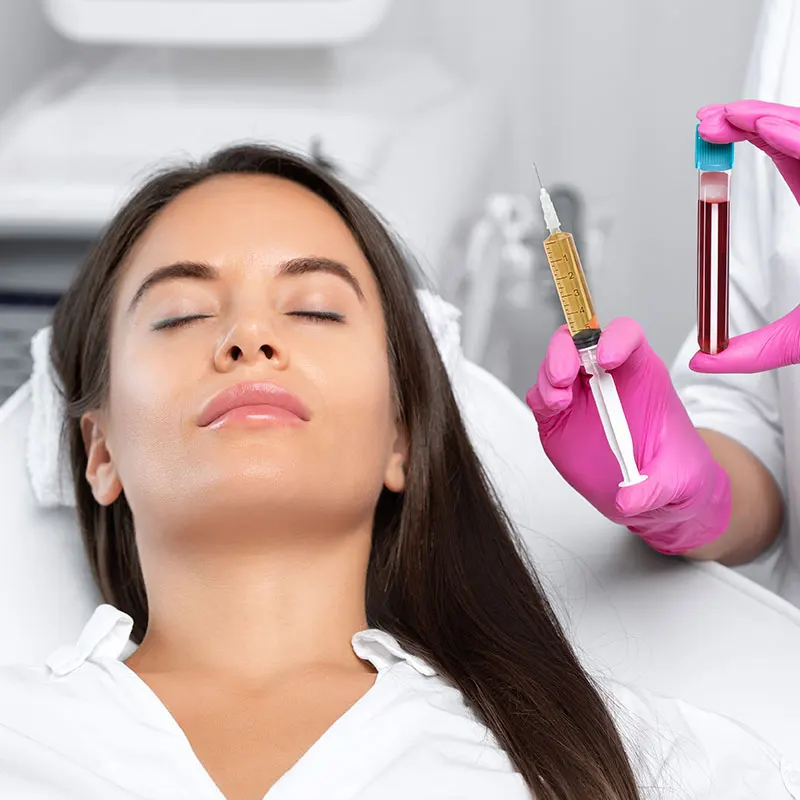
Facial Mesotherapy: Hydration and Selected Ingredients
Injectable formulations may include non-cross-linked hyaluronic acid (HA) or organic silicon combined with amino acids, proteins, peptides, antioxidants, vitamins, enzymes and trace elements. Selection depends on the treatment plan and the needs of the skin.
Autologous mesotherapy with platelets and growth factors (PRP) is also used, as are approaches involving cells obtained through specialised fat-processing techniques. Fat transfer has applications in several areas of medicine.
Mesotherapy may be applied to the face, body or scalp in both women and men.
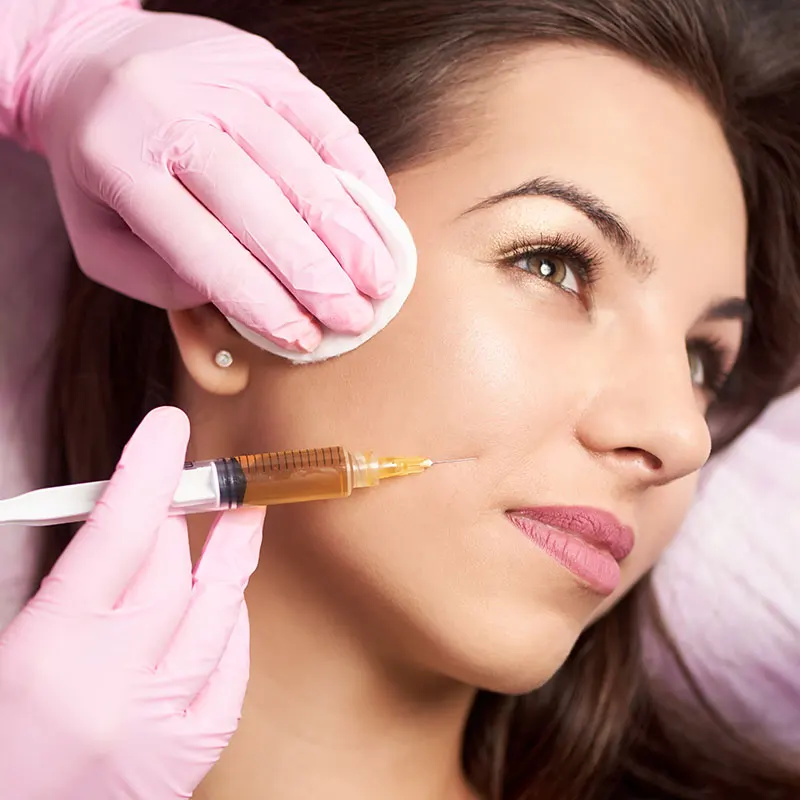
Mesotherapy for the Face, Body and Hair
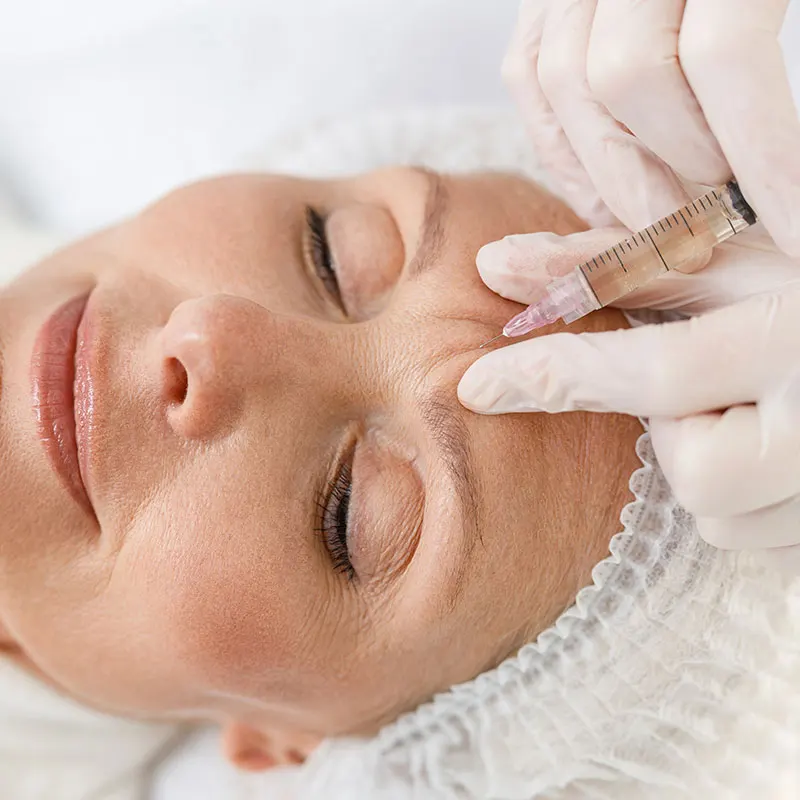
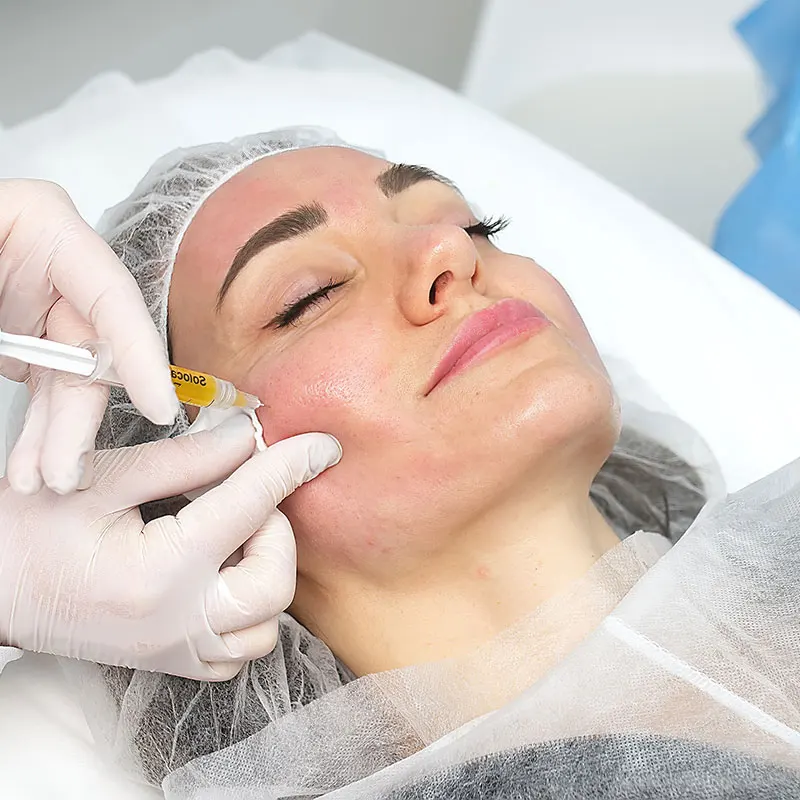
Facial mesotherapy is used to support hydration and address selected concerns of the face and neck. The multiple microinjections are intended to deliver the selected substances and stimulate the skin’s repair response.
The treatment introduces active ingredients into the skin while the microinjections themselves stimulate a local healing response associated with collagen and elastin production.
A session lasts approximately one hour. A topical anaesthetic cream is used, hospital admission is not required and the source content describes recovery as taking only a few hours.
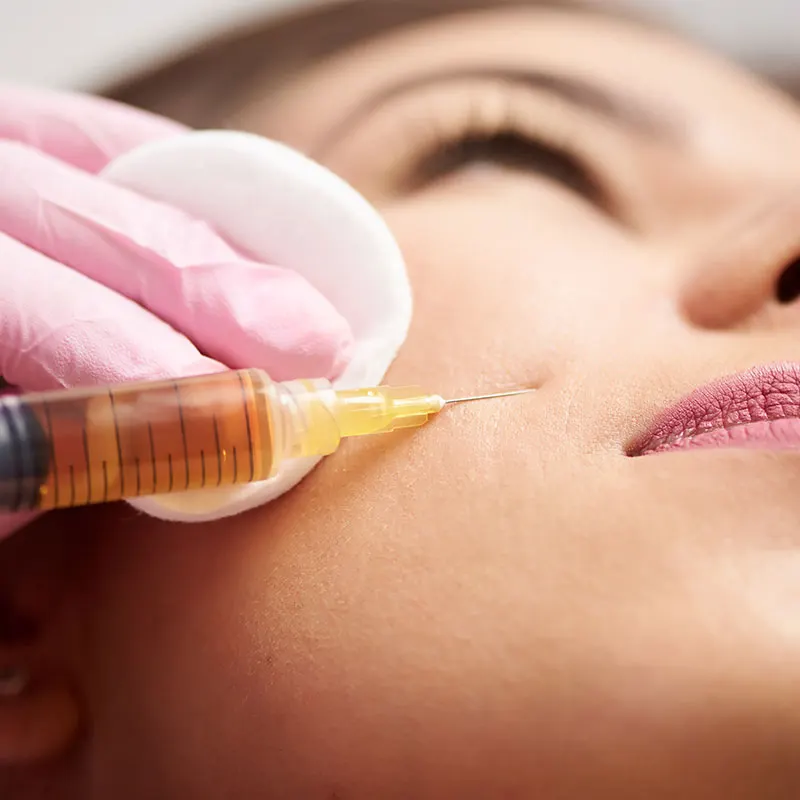
Autologous Mesotherapy (PRP) and Fat Transfer
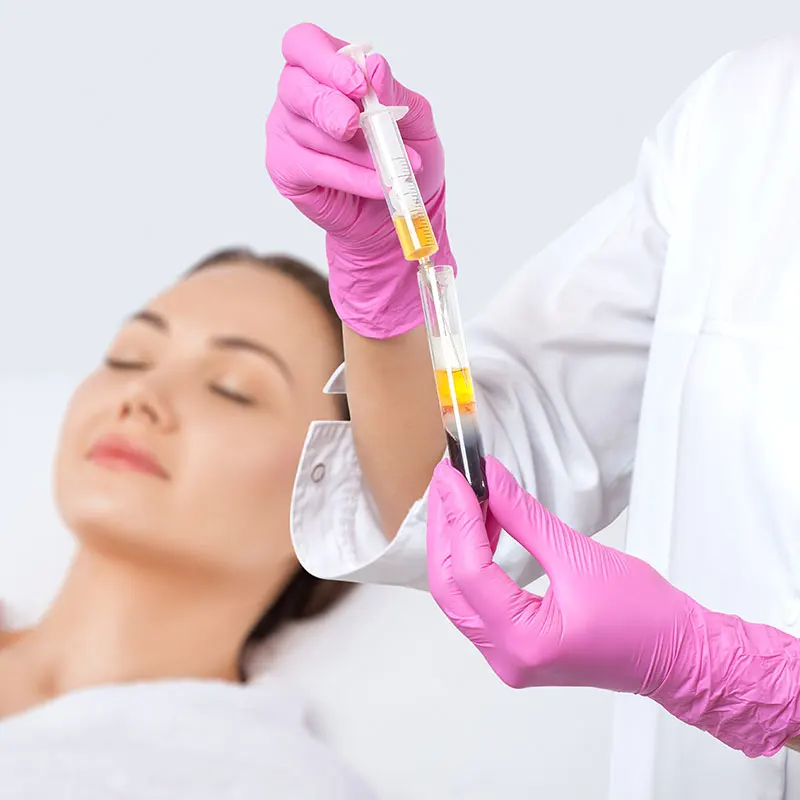
The skin contains cells involved in its ongoing renewal. PRP uses components derived from the person’s own blood and is described in the source content in relation to skin regeneration, ageing and wound healing after reconstructive or aesthetic procedures, as well as other selected indications.
With the mesotherapy technique, growth factors from the person’s own blood are introduced into the planned area. The source content also describes the use of fat and specialised techniques for isolating cell-rich fractions.
Autologous fat transfer is used in reconstructive surgery as well as in anti-ageing treatment plans.
Applications of Mesotherapy and PRP
The source content describes the following intended applications:
- Supporting collagen remodelling
- Supporting blood supply to skin tissues
- Improving the appearance of skin texture and tone
- Addressing fine lines, scars and stretch marks
- Supporting skin hydration and appearance
- Fine lines and mild wrinkles
- Areas of skin laxity
- Dark circles around the eyes
- Pigmentation concerns, including spots and freckles
- Acne scars and post-acne discolouration
- Selected cases of scalp alopecia
Patient Reviews
Patient experiences from our clinic and treatments.
 Μαρια Π...

★★★★★
I have trusted the doctor and his experienced staff for many years... that says it all. Thank you very much.
 Anda T...
★★★★★
I visited Dr. Moutsoudis’s clinic. He is an excellent doctor who explains everything about each procedure. I personally had injectable treatments on my face and was completely satisfied 🙏. I also had Dermapen with the girls, with a perfect result. Wonderful atmosphere and clinic!! Thank you!! 🙂
 Lena S...
★★★★★
Every time I visit Mr. Moutsoudis’s clinic, I am always very, very happy and satisfied with the results. There are always new, innovative treatments available that make us look fresh and renewed. In addition, the service provided by all the ladies/therapists is excellent! It is also located in the heart of Thessaloniki, which makes it very accessible! I highly recommend it.
 Maria T...
★★★★★
The most cheerful girls in the city! Friendly and kind, just like the doctor himself! Appointments run on time. Spotlessly clean premises. Great facial and body treatments with tasteful results and no exaggeration! I wouldn’t change them for anyone ❤️
Platelet-Rich Plasma (PRP)
Autologous PRP uses components from the person’s own blood to support the skin’s natural repair mechanisms.
Who may be considered for facial mesotherapy?
The source content refers to adults with facial ageing, laxity, dark circles, loss of facial volume or scars. Suitability is assessed individually rather than by age alone.
How is facial mesotherapy performed?
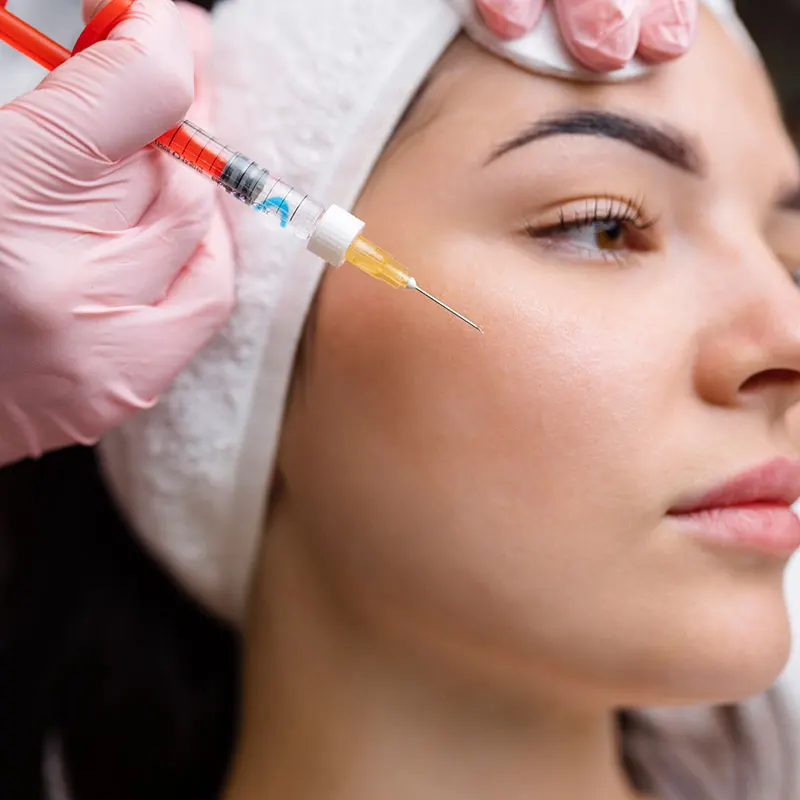
The technique may involve plasma combined with hyaluronic acid and peptides, delivered through microinjections. The nappage technique is more superficial and may be selected for sensitive areas, while point-by-point placement is deeper.
Session Frequency and Aftercare
How often is mesotherapy performed?
The source content describes one session every 30 days for 4–6 months, adjusted to the needs of each person.
What should I consider after facial mesotherapy?
The skin may remain sensitive after treatment. Irritating cosmetic ingredients, peeling, sauna use and strenuous exercise that causes sweating should be avoided as advised. Hydration and sunscreen are recommended.
Facial mesotherapy may be combined, where appropriate, with microdermabrasion, CO₂ fractional laser, Dermapen 4, Botox, fillers, threads or radiofrequency treatment.
Would you like information about autologous facial PRP mesotherapy? Contact us for an individual medical assessment.
You May Also Be Interested In
More information and useful content related to this treatment.
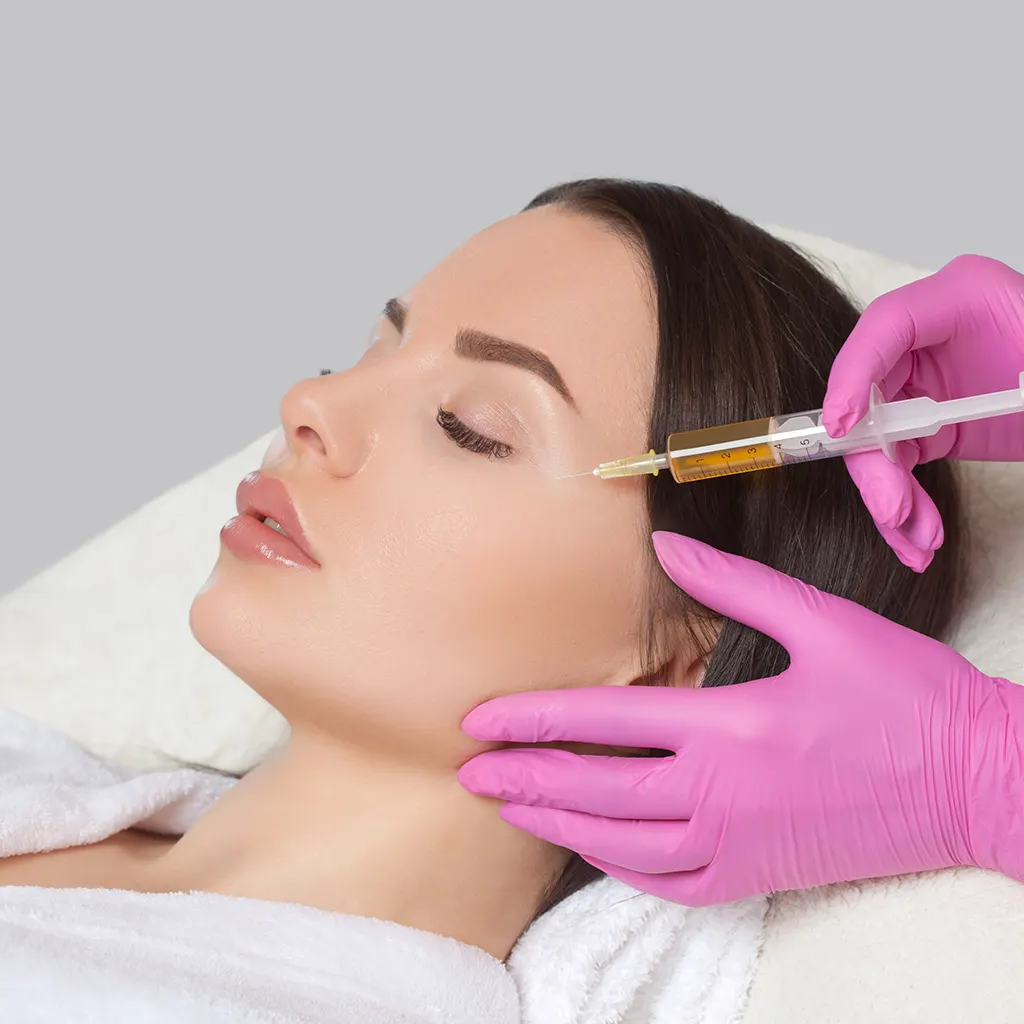 Facial Mesotherapy: Rejuvenation and Radiance for Healthy-Looking SkinFacial mesotherapy involves the application of selected ingredients, such as vitamins, amino acids, antioxidants and hyaluronic acid, to support hydration and improv…Read article
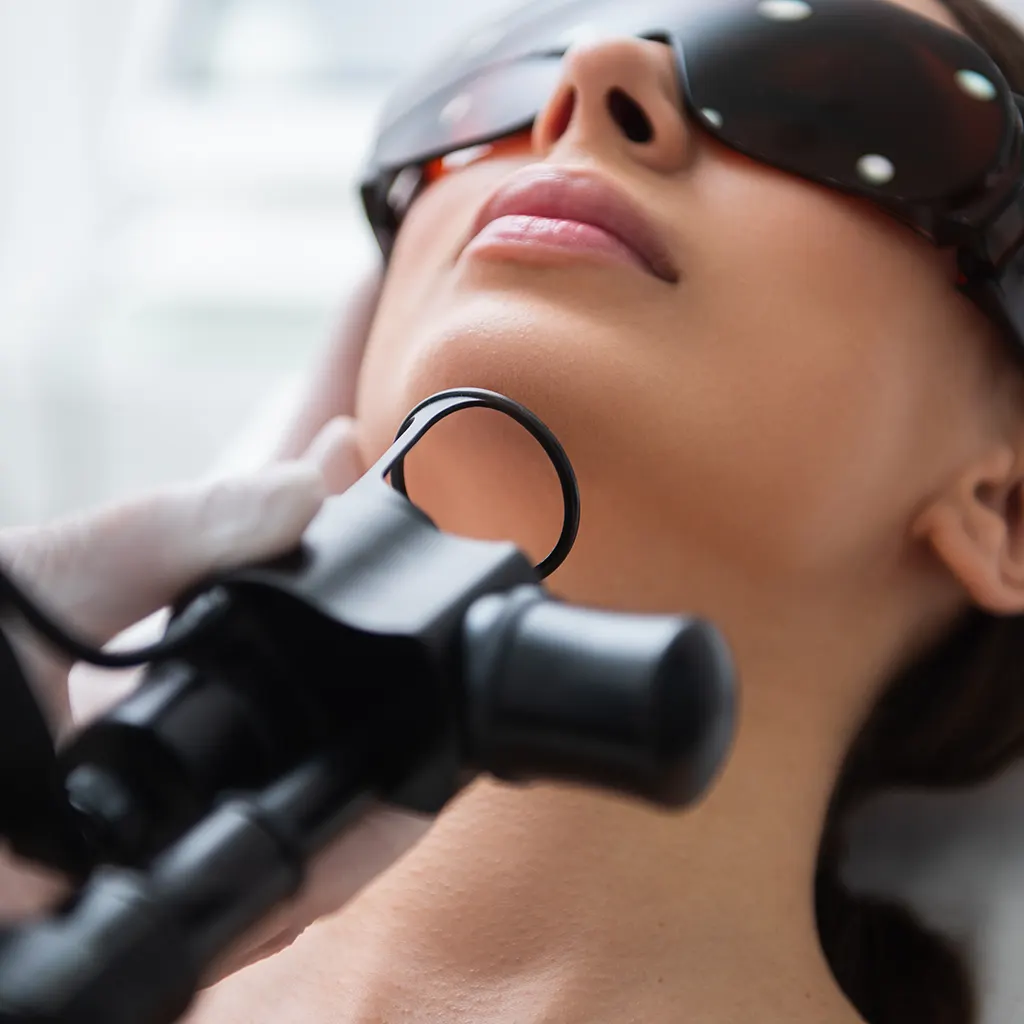 Fractional CO₂ Laser: Skin Resurfacing and RejuvenationThe Fractional CO₂ Laser, with a wavelength of 10,600 nm, creates microscopic zones of controlled thermal action in the skin. It may be used to improve texture, fine…Read article
 GENTLO RF Microneedling for Acne ScarsAcne scars are a common aesthetic concern and may affect skin texture and appearance. Selecting the most appropriate approach depends on scar type and depth, skin ch…Read article
Frequently Asked Questions
What is autologous facial PRP mesotherapy?
PRP mesotherapy uses platelet-rich plasma prepared from the person’s own blood. It is introduced into selected areas as part of a skin-treatment plan.
How is the treatment performed?
A blood sample is taken and processed in a centrifuge to isolate platelet-rich plasma. The plasma is then introduced into the planned areas using microinjections.
For which concerns may autologous mesotherapy be considered?
The source content refers to fine lines, skin tone and texture, acne scars, hydration, laxity and signs of premature ageing. Suitability is assessed individually.
How many sessions are needed?
The source content describes three sessions approximately one month apart. The number may be adjusted according to the needs of the skin and the agreed treatment goals.
When do results appear and how long do they last?
The source content notes that initial changes may be seen after approximately two weeks and may continue to develop. Duration varies according to the skin and aftercare.
Are there side effects?
Because PRP is prepared from the person’s own blood, allergic reactions are less likely. Temporary redness, swelling or small bruises may occur.
What should I consider after treatment?
The source content recommends avoiding sun exposure and cosmetics for 24 hours, using sunscreen and avoiding strenuous physical activity for a few days.
Can PRP be combined with other treatments?
PRP may be combined with treatments such as microdermabrasion, laser, Botox or threads when indicated by the individual treatment plan.
Who may be suitable for this treatment?
The treatment may be considered by people seeking to improve selected aspects of their skin. Anyone with an active skin condition or health concern should first have an appropriate medical assessment.
How is the number of sessions determined?
The number of sessions is determined individually after the doctor assesses and discusses each person’s needs.
Would you like to discuss which option is suitable for you?
The right indication and a personalised treatment plan are determined after medical assessment.