Reconstructive Plastic Surgery
Plastic Reconstruction and Improvement of Scars
Scar and wound reconstruction is part of reconstructive plastic surgery. Treatment may address scars following burns, trauma, surgery, acne or other skin injury, with the approach selected according to the characteristics of each scar.
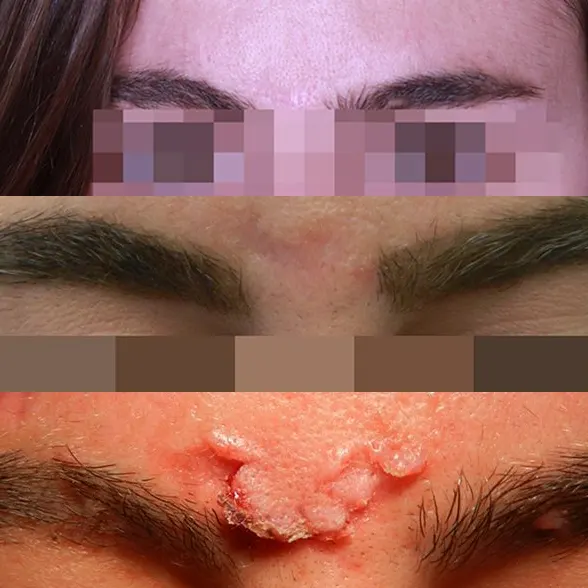
The approach to scar treatment and reconstruction is influenced by the size, extent and depth of the wound, skin thickness and colour, blood supply, scar direction, age, anatomical location, genetic factors and any medication being taken.
Larger injuries generally require more time to heal. Healing begins immediately after injury, with platelets contributing to formation of the initial clot. Collagen and elastin production follows, and the overall maturation process may take approximately 18 months.
Scar colour changes during the stages of healing, often progressing from an initially red appearance towards the colour of the surrounding skin.
Scars include keloids, hypertrophic scars, acne or chickenpox scars, and scars caused by burns or trauma. Stretch marks are also associated with incomplete dermal healing after changes in weight.
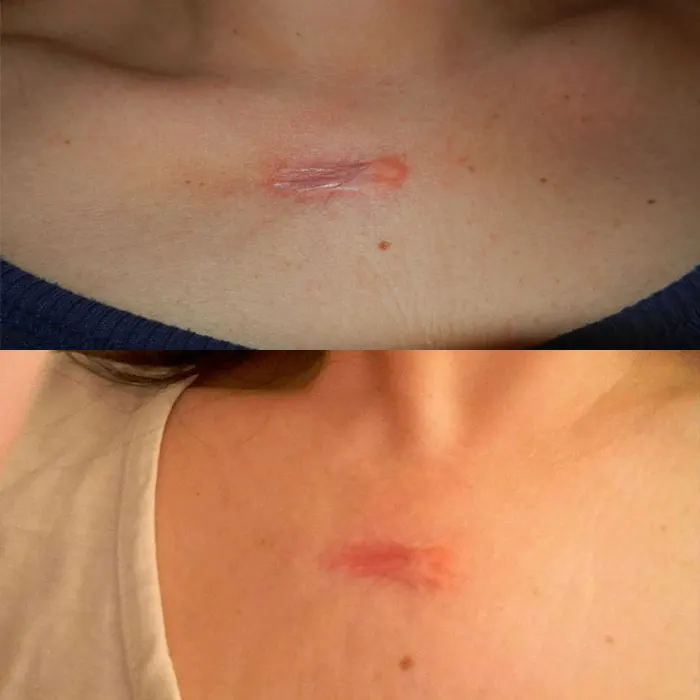
Keloids, Hypertrophic Scars and Acne Scars
The aim of surgery is to improve the appearance of a scar so that it more closely resembles the tone and texture of the surrounding skin; complete removal is not possible.
Layered wound closure may help the new scar remain flatter. Techniques such as Z-plasty or W-plasty may be used to reduce wound tension and limit further skin contracture.
Non-surgical approaches may include corticosteroid injections for keloids and autologous platelet-rich plasma (PRP).
Selected scars may also be treated with laser systems, including fractional CO₂ laser, VLP and pulsed-dye laser. These methods create a controlled skin response intended to support remodelling.
Silicone sheets and silicone scar gels may be used as part of scar care. The appropriate combination of techniques is selected individually, with regular medical follow-up.
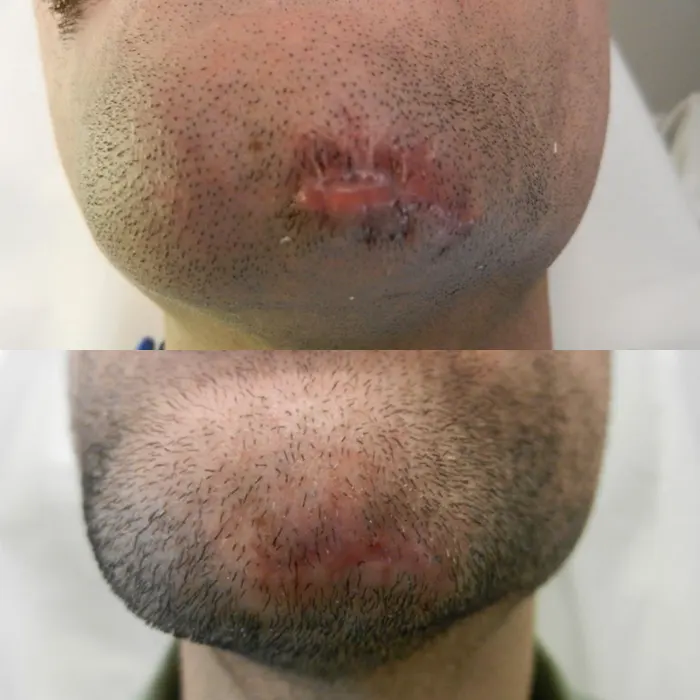
Frequently Asked Questions
What is plastic reconstruction of a scar?
It is an individual treatment process intended to improve scars caused by burns, trauma, surgery or acne, with the aim of improving their appearance and texture.
Which factors influence scar treatment?
Assessment considers scar size, depth, colour and location, skin type, age, blood supply, genetic factors and any medication being taken.
How long does scar maturation take?
Natural scar maturation may continue for up to 18 months, with gradual remodelling and changes in colour.
Which techniques may be used for scars?
Options may include Z-plasty or W-plasty, corticosteroid injections for keloids, autologous platelet-rich plasma (PRP), fractional CO₂ laser, VLP or pulsed-dye laser, and silicone sheets or gels.
Can a scar be removed completely?
Complete removal is not generally possible. Treatment aims to make a scar flatter and less conspicuous and to improve its relationship with the surrounding skin.
When may fractional CO₂ laser be considered?
Fractional CO₂ laser may be considered for selected scars and textural irregularities, using a controlled skin response to support remodelling. Suitability is assessed individually.
What care may be required before and after treatment?
Care depends on the selected method and may include cleansing, prescribed topical products, sun protection and regular medical follow-up.
How many sessions may be needed?
The number of sessions depends on the scar and the selected technique. One or more sessions may be planned, and response varies between individuals.
When is surgery involved in scar treatment?
Surgical excision, tissue rearrangement or flap techniques may be considered for selected scars and may be combined with other methods when clinically appropriate.
How is a scar treatment plan selected?
The scar, surrounding skin and medical history are assessed before an individual treatment and follow-up plan is selected.
Would you like to discuss which option is suitable for you?
The right indication and a personalised treatment plan are determined after medical assessment.